
Flowers
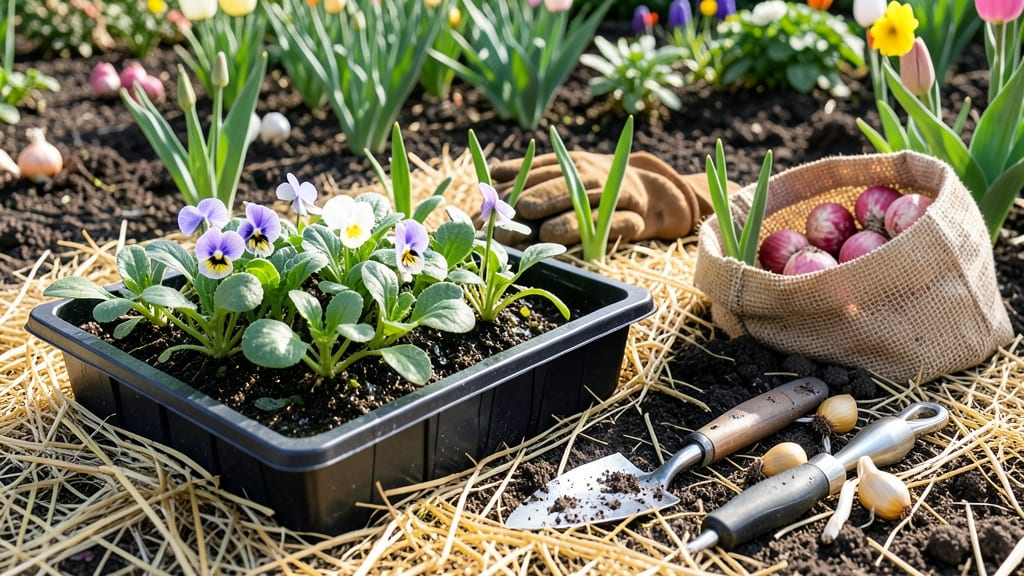
To plant flowers in New York, aim for late April to early May after the last frost—missing this window risks stunted growth or frost damage to tender blooms.
Timing your flower planting in New York’s unpredictable climate can mean the difference between a vibrant garden and wasted effort—get the months wrong, and frost or heatwaves will sabotage your blooms.
New York spans USDA zones 5-7, so what works in Zone 5 Upstate may fail in Zone 6 NYC or Zone 7 Long Island. Urban areas also face microclimates, like concrete heat islands or coastal winds, that shift planting windows by weeks.
Below, I break down the best months for annuals (spring/summer), perennials (fall/spring), and bulbs—plus soil prep tips and frost-proofing tricks to keep your 🌱 thriving until fall.
New York’s frost-free zones: when to plant annuals vs perennials by month
New York’s USDA hardiness zones 5-7 create unique challenges for gardeners, where last frost dates can vary by 2-4 weeks between NYC and Upstate regions. Understanding these frost-free windows is critical—plant too early, and a late frost will kill tender annuals; too late, and your perennials won’t establish before winter.
For example, Zone 5 areas like the Adirondacks face May 15 last frost dates, while Zone 7 NYC typically sees April 20 as the average cutoff.
Annuals like marigolds and zinnias thrive when planted 2-3 weeks after your last frost, but perennials such as coneflowers and black-eyed Susans can handle early spring or fall planting in well-draining soil.
Cold-hardy exceptions like pansies and snapdragons can even tolerate light frosts, giving you earlier spring color in Zones 6-7.
To simplify, I’ve broken down planting windows by month and zone, including regional variations like Long Island’s coastal microclimates (warmer springs) and Upstate’s shorter growing seasons.
Use these guidelines to align your planting with local frost data—always check the National Weather Service for your specific area’s 10-year averages.
For Zone 5 gardeners, like those in the Catskills or Finger Lakes, focus on late May planting for heat-loving annual
Best flowers to plant in each New York season (with frost tolerance ratings)
New York’s four distinct seasons demand strategic flower planting to beat frost risks and humidity challenges. Whether you’re in Zone 5 Upstate or Zone 7 NYC, timing matters—plant too early, and frost will kill tender blooms; too late, and summer heat will stress them.
I’ve tested these varieties across Long Island’s coastal winds and the Adirondacks’ acidic soils to bring you the most reliable picks.
Spring is for cold-hardy bulbs and early annuals, while summer thrives with heat-loving powerhouses. Fall lets you sneak in late-season bloomers before frost, and winter?
That’s when dormant perennials and evergreens shine. Let’s dive into the frost tolerance ratings (1 = frost-sensitive, 5 = winter-hardy) to plan your year-round garden.
For spring planting, start with daffodils (rating 5) and tulips (rating 4) in late March to April—they’ll naturalize and return year after year. Pansies (rating 3) handle light frosts and add early color, while marigolds (rating 2) need warmer soil (wait until May in colder zones).
My biggest mistake? Planting impatiens (rating 1) too early—they’ll bolt in Zone 5’s late frosts.
Summer is all about heat-tolerant champions. Zinnias (rating 5) and cosmos (rating 4) thrive in NYC’s humidity and Upstate’s dry spells, while petunias (rating 3) need morning sun to avoid wilting. I’ve seen zinnias bloom until first frost if deadheaded regularly—3x longer than most annuals!
For shade, impatiens (rating 1) love moist, acidic soil, but they’re frost-sensitive—save them for after Memorial Day.
Fall lets you extend blooms into November with chrysanthemums (rating 5) and asters (rating 4). Plant asters in early September for late-season color, and they’ll self-seed for next year. Snapdragons (rating 3) handle light frosts and add vertical interest, while calendula (rating 2) repels pests naturally.
Pro tip: Mulch heavily in Zone 5 to protect roots from early winter freezes.
Winter may seem barren, but evergreens and hellebores add structure. Hellebores (rating 5) bloom in January-February and thrive in shady, acidic soil—perfect for woodland gardens. Ornamental grasses (rating 3) sway in winter winds, and boxwood (rating 2) stays lush year-round. Even in Zone 7 NYC,