
Flowers
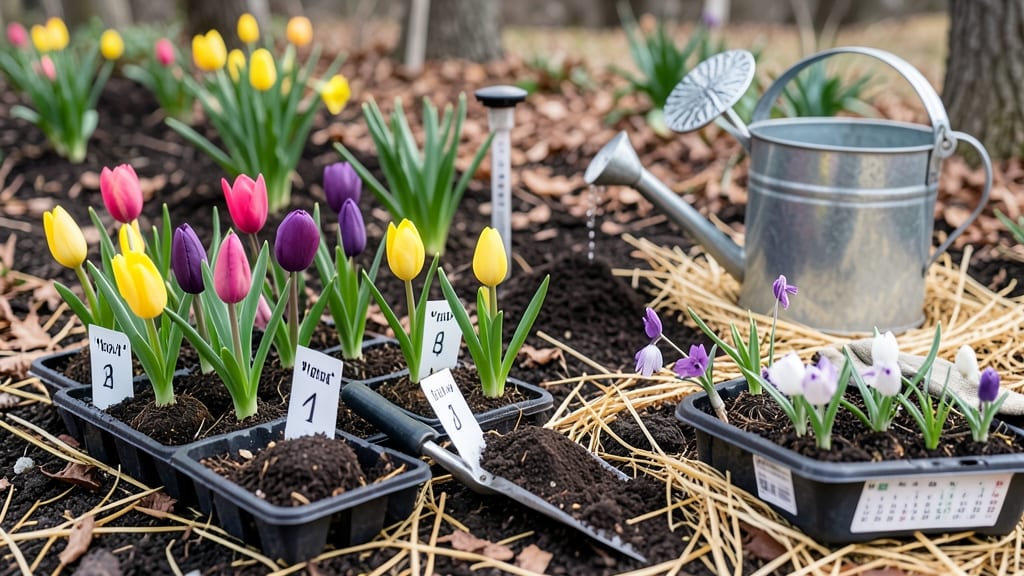
To plant flowers in New England, aim for late April to early May for most varieties — but the exact timing depends on your frost zone and whether you’re starting seeds indoors or transplanting outdoors.
Picture this: You’ve spent weeks nurturing seedlings indoors, only to rush them outside too soon, where a late frost turns your vibrant blooms into sad, wilted memories. New England’s unpredictable springs make timing everything, and getting it wrong can mean the difference between a showstopping garden and a disappointing one.
With USDA zones 3 through 7 across the region, frost-free dates vary wildly—from early April in coastal areas to late May inland.
Whether you’re planting hardy perennials like coneflowers or delicate annuals like zinnias, knowing your local frost dates and adjusting for microclimates (like valleys or urban heat islands) is the key to success.
In this guide, I’ll walk you through the exact frost-free deadlines by zone, the best flower varieties to plant each month, and how to handle New England’s unpredictable weather with proven strategies.
By the end, you’ll know exactly when to plant for a garden that bursts with color from summer through fall.
New England frost-free dates by zone: when to plant flowers outdoors
New England’s diverse climate zones (USDA zones 4-7) create unique planting windows for flowers. Coastal areas like Maine’s Kennebunk often see frost-free dates 2-3 weeks earlier than inland spots like Vermont’s Burlington. Understanding these variations helps you avoid late frost damage while maximizing bloom times.
Most gardeners use the 10-day rule: Wait at least 10 days after your average last frost date before planting tender annuals like zinnias or petunias. For hardy perennials (e.g., coneflowers), you can plant as soon as the soil is workable—even if frost lingers.
Bulbs like tulips should go in the ground by late fall (October-November) for spring blooms.
Below is a zone-by-zone breakdown of frost-free dates, including regional adjustments for coastal vs. inland areas. Use this as your guide to time seed starting, transplanting, and bulb planting perfectly.
| USDA Zone | Last Frost Date (Avg.) | Safe Planting Window | Coastal Adjustment | Key Flowers to Plant |
|---|---|---|---|---|
| Zone 4 (Northern NH, VT, ME) | May 10–20 | May 25–June 5 | +7–10 days (cooler coastal areas) | Pansies, Snapdragons, Hardy Geraniums |
| Zone 5 (Central MA, NH, VT) | May 1–10 | May 15–25 | +5–7 days (e.g., Cape Cod) | Tulips (bulbs), Dahlias, Black-Eyed Susans |
| Zone 6 (Southern NH, CT, RI) | April 25–May 5 | May 10–20 | +3–5 days (Long Island Sound) | Peonies, Lavender, Marigolds |
| Zone 7 (Coastal MA, CT) | April 15–25 | April 30–May 10 | –3 to 0 days (warmer microclimates) | Zinnias, Petunias, Coreopsis |
For Zone 4 gardeners, start cool-season annuals (like pansies) indoors by March 1 to transplant outdoors after the last frost. In Zone 7, you can even plant warm-season flowers (e.g., sunflowers) as early as April 15 in sheltered microclimates.
Always check your local Almanac’s frost predictions—they’re updated yearly!
Perennials like daylilies or hostas can handle being planted 2 weeks before your last frost date, as they’re more resilient. However, tender perennials (e.g., cannas) should wait until after Memorial Day in most zones. Use row covers to push back frost dates by 2–4 weeks if needed.
Bulbs are a New England gardener’s secret weapon. Plant spring-blooming bulbs (tulips, daffodils) in fall (October–November), while summer-blooming bulbs (dahlias, gladiolas) go in after the last frost. Don’t wait! Bulbs need 6–8 weeks in cool soil to establish roots.
Pro tip: Coastal areas (like Portland, ME) often have milder winters and cooler summers than inland zones. If you’re near the ocean, extend your planting season by 1–2 weeks in spring and delay fall planting by 10 days.
Monitor local weather patterns—some years, frost lingers until June 1!
For first-time gardeners, err on the side of caution. Use the 10-day rule religiously and keep heat mats or grow lights ready to protect young plants. Experienced growers might take risks with row covers or black plastic mulch to warm soil faster.
Either way, document your frost dates yearly to refine your schedule.
Remember: First frost dates (typically October 15–November 1) signal the end of your outdoor planting window for warm-season flowers. Save cool-season varieties (like kale or asters) for late summer planting—they’ll thrive into early winter.
With this zone-specific guide, you’ll never again guess when to plant. Happy gardening—and may your New England summers be bursting with color! 🌷
Best flower varieties to plant by month in New England
New England’s unpredictable climate demands careful planning, but with the right seasonal flowers, you can enjoy blooms from spring through fall. Cool-season annuals and perennials like pansies and snapdragons thrive in early spring, while heat-loving zinnias and sunflowers shine in summer.
Let’s break down the best month-by-month planting schedule for your region’s USDA zones 4-7.
For cooler zones (4-5), start cool-season flowers indoors in late winter to give them a head start. In warmer zones (6-7), you can plant some varieties directly into the garden as early as late March or April.
Always check your local frost-free date—typically May 10-20 in most of New England—and wait until 10 days after the last frost for warm-season flowers.
- March: Plant tulip bulbs and daffodils (they need cold stratification). Start pansies and violas indoors for early spring color.
- April: Direct-sow calendula and sweet peas. Transplant dahlias and peonies once soil reaches 50°F.
- May: Plant zinnias, cosmos, and marigolds after the last frost. Add black-eyed Susans and coneflowers for summer blooms.
- June: Sow sunflowers and nasturtiums for late-summer color. Deadhead spent blooms to encourage more flowers.
- July-August: Plant fall-blooming asters and chrysanthemums for autumn interest. Extend the season with row covers.
- September: Sow sweet alyssum and snapdragons for winter color. Plant bulbs like tulips for next spring.
Extend your bloom season by choosing perennials like daylilies and black-eyed Susans, which return yearly. For annuals, succession plant fast-growing varieties like bachelor’s buttons every 2-3 weeks to keep your garden vibrant. Mulch around perennial bases in fall to protect roots from freezing temperatures.
Don’t forget container gardening—it’s perfect for small spaces or patios. Use heat-retentive pots to extend the season for warm-season flowers like geraniums and petunias.
Move containers indoors or to a garage before hard frosts hit in fall. A south-facing window can even keep some herbs and flowers alive through winter!
Pro tip: Group flowers by color and height for a polished look. Tall sunflowers and hollyhocks should go in the back, while low-growing pansies and sweet alyssum work well in foreground borders. Deadhead regularly to encourage more blooms and keep your garden looking its best all season.
With this month-by-month guide, you’ll have a nonstop parade of color from spring through fall—no matter where you garden in New England. Happy planting! 🌷