
Flowers
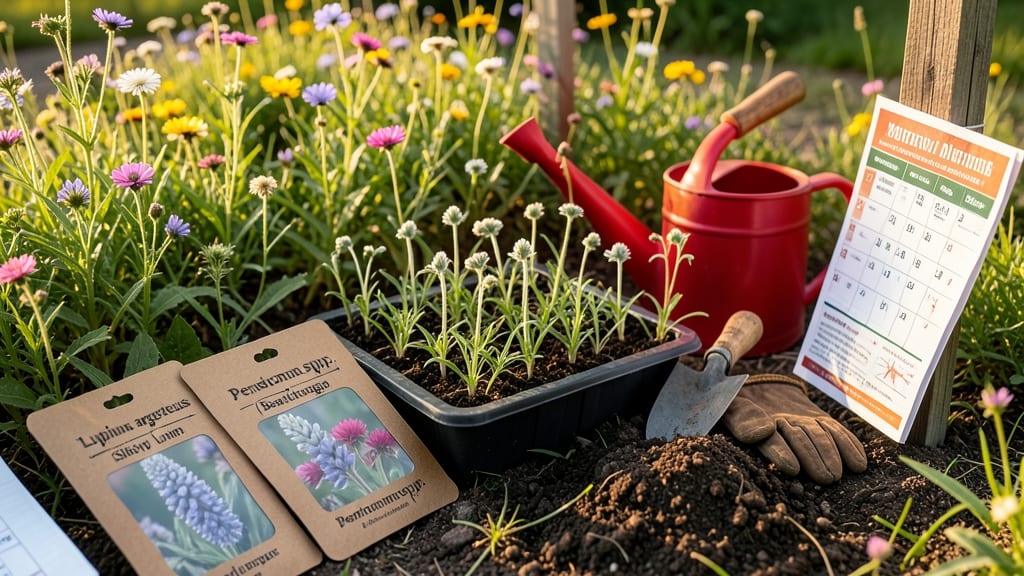
Planting flowers in Montana at the right time means the difference between a garden that thrives and one that freezes before it even blooms.
Montana’s unpredictable frost and short growing season can make flower gardening a challenge—but timing is everything. Plant too early, and your blooms will freeze; too late, and they’ll struggle to establish before winter.
With USDA Zones 3-7 (from Glacier National Park to Missoula), the last frost can arrive anywhere from mid-May to early June, while first frosts creep in as early as September.
That means your planting window is tight, but with the right schedule, you can still enjoy vibrant 🌸 flowers all season long.
In this guide, I’ll break down the best times to plant annuals, perennials, and bulbs for your specific Montana region, plus frost-proof tips to keep your garden blooming—even when the thermometer drops.
Montana flower planting calendar: frost dates by region & hardiness zones
Montana’s USDA hardiness zones 3-7 create dramatic differences in frost timing—from Zone 3 in Glacier National Park to Zone 7 in Missoula. Understanding your region’s last frost dates is critical for planting annuals, perennials, and bulbs without losing them to late freezes.
I’ve broken down the key frost windows for Montana’s most common gardening regions so you can plan with confidence.
In Missoula (Zone 6), the average last frost date falls around May 15, while Bozeman (Zone 6) sees its final frost slightly later, near May 22. Meanwhile, Billings (Zone 5) and Great Falls (Zone 5) experience their last frosts around May 10 and May 5, respectively.
These variations mean your planting schedule should shift based on elevation and location—even within the same county.
For spring planting, wait until 2-3 weeks after your region’s last frost date to sow heat-loving annuals like marigolds or zinnias. Cold-hardy perennials, such as delphiniums or Siberian wallflowers, can often be planted as early as April once the soil is workable, but always check for nighttime frost warnings. Fall planting for bulbs like tulips or daffodils should occur 6-8 weeks before your first frost—typically late August to early September.
Here’s a quick reference for Montana’s key frost dates by region, including when to plant for optimal blooms:
If you’re planting bulbs in fall, like tulips or alliums, aim for late August to early September—this gives roots time to establish before winter.
For annuals like petunias or snapdragons, wait until after your last frost date and harden off seedlings indoors for 7-10 days before transplanting. Perennials, such as coneflowers or black-eyed Susans, can often be planted in early spring as soon as the ground thaws, but avoid soggy soil to prevent rot.
Montana’s high elevation and continental climate mean frost can linger longer in valleys and shorter in lower elevations. Always monitor local weather forecasts and use frost cloth or row covers for early plantings.
For example, Bozeman’s higher elevation means its frost dates are 1-2 weeks later than Missoula’s, even though they’re only 60 miles apart. Adjust your schedule accordingly to avoid losing tender plants to unexpected cold snaps.
Best cold-hardy flowers for Montana gardens: frost-resistant varieties
Montana’s short growing season and late frosts demand flowers that thrive in USDA Zones 3-7. These 12 frost-resistant varieties—including columbines and delphiniums—bloom early, survive winters, and reward you with vibrant color from spring to fall.
Their deep roots and hardy constitutions make them perfect for early spring or late fall planting.
For best results, plant perennials in spring (after last frost) or fall (6 weeks before first frost). Biennials like Siberian wallflowers thrive when sown in late summer for spring blooms. Hardy annuals like sweet peas can handle light frosts and germinate in cool soil, making them ideal for early spring sowing.
| Flower | Type | Sunlight | Spacing | Planting Depth | Bloom Time |
|---|---|---|---|---|---|
| Columbine (Aquilegia) | Perennial | Partial shade | 12–18" | 1/2" | Spring–summer |
| Delphinium (Delphinium) | Biennial/Perennial | Full sun | 18–24" | 1/2" | Summer–fall |
| Lupine (Lupinus) | Perennial | Full sun | 12–18" | 1/4" | Spring–summer |
| Siberian Wallflower (Erysimum) | Biennial | Full sun | 12–15" | 1/4" | Spring |
| Coneflower (Echinacea) | Perennial | Full sun | 18–24" | 1/2" | Summer–fall |
| Hollyhock (Alcea) | Biennial/Perennial | Full sun | 18–36" | 1/2" | Summer–fall |
| Sweet Pea (Lathyrus) | Hardy Annual | Full sun | 12–18" | 1" | Spring–summer |
| Black-Eyed Susan (Rudbeckia) | Perennial | Full sun | 12–24" | 1/2" | Summer–fall |
| Iris (Iris germanica) | Perennial | Full sun | 12–24" | 2" | Spring–summer |
| Pansy (Viola) | Hardy Annual | Partial shade |