
Flowers
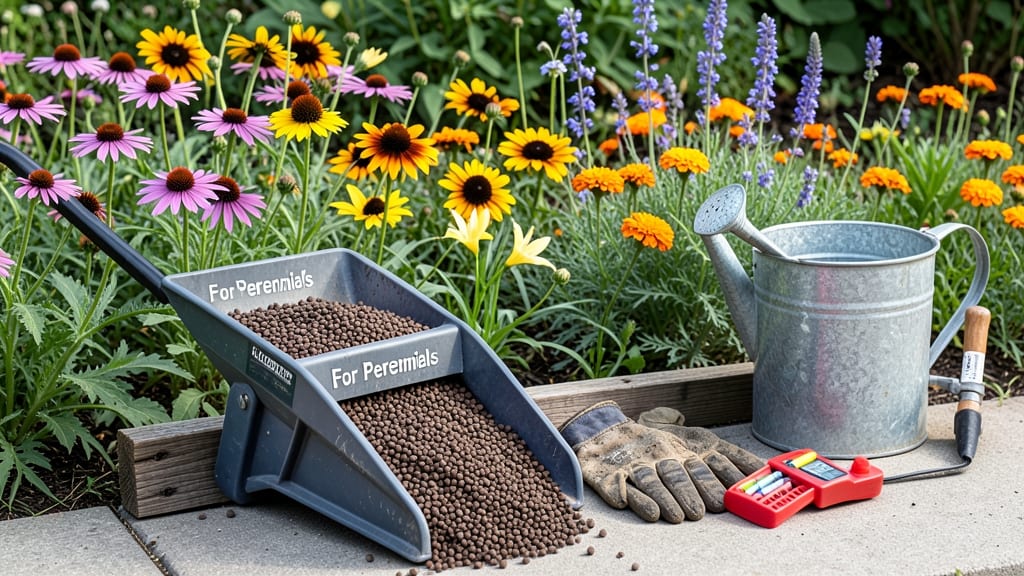
To fertilize flower beds at the right time means catching them when they’re hungry—not when they’re already full or resting, which can waste nutrients or even damage your 🌸 blooms.
Picture this: You’ve spent months planning your flower beds, and now you’re ready to see them thrive. But if you fertilize too early or too late, you might end up with leggy stems, fewer blooms, or even dead plants.
The key is understanding when your plants are actively growing and when they need a boost.
In this guide, I’ll break down the best times to fertilize based on your plants’ life cycle, whether they’re annuals or perennials, and how seasonal changes affect their needs.
You’ll learn when to feed in spring to kickstart growth, how to maintain blooms in summer, and why fall and winter are often the wrong times to fertilize at all.
By the end, you’ll have a clear schedule tailored to your garden’s rhythm—so you can enjoy healthier plants, more vibrant blooms, and a lot less guesswork. Let’s get started!
Best seasonal timing for fertilizing flower beds by plant type
Timing your flower bed fertilization correctly is like giving your plants a perfectly timed meal—too early or late, and they won’t thrive. Different plants have unique needs, so understanding their growth cycles and seasonal triggers is key.
For example, annuals like marigolds need frequent feeding, while perennials like coneflowers prefer a slower, sustained release. Let’s break down the best times to fertilize based on plant type and growth stage.
Soil temperature plays a huge role in fertilization success. Most plants won’t respond well to fertilizer until the soil warms to at least 50°F (10°C). In cooler climates like USDA Zone 6a, this often means waiting until late April or early May.
For warmer regions, you might start as early as March. Always check soil temperature with a probe—cold soil locks out nutrients, making fertilization a waste.
Here’s a quick reference for when to fertilize based on plant type and season:
| Plant Type | Early Spring (March-April) | Late Spring (May-June) | Summer (July-August) | Fall (September-October) |
|---|---|---|---|---|
| Annuals | Pre-planting only (if soil is workable) | Feed every 3-4 weeks with balanced fertilizer | Light feed every 4-6 weeks | None (unless extending season) |
| Perennials | Early spring bulk fertilizer when shoots emerge | Feed after first bloom cycle (June) | Light feed in early summer only | None (unless preparing for early spring blooms) |
| Bulbs | Apply bulb-specific fertilizer at planting | None (unless leaves show yellowing) | None (bulbs are dormant) | None (unless fall-planted bulbs like tulips) |
| Shrubs | Early spring slow-release fertilizer | Feed after new growth appears | None (unless flowering shrubs like hydrangeas) | None (unless evergreen shrubs need winter care) |
For annuals, think of fertilization as a season-long schedule. Start with a pre-planting feed when you sow seeds or transplant seedlings, then follow up every 3-4 weeks with a balanced fertilizer (like 10-10-10).
Annuals like petunias and geraniums respond well to this frequent feeding, but avoid overdoing it—too much nitrogen will give you lush leaves but fewer blooms. In summer, switch to a low-nitrogen, high-phosphorus formula to encourage more flowers.
Perennials are different—they store energy in their roots, so they don’t need as much frequent feeding. The best times to fertilize perennials are early spring (when new growth appears) and after the first bloom cycle (around June).
For example, black-eyed Susans and daylilies thrive with a slow-release fertilizer in spring, then a light top-dressing in summer if they look tired. Avoid fertilizing in late summer or fall, as this can stimulate new growth that won’t harden off before winter.
Bulbs are often overlooked, but they benefit from targeted fertilization. When planting spring-blooming bulbs like daffodils in fall, mix in a bulb fertilizer (high in phosphorus) to support root development.
For summer-blooming bulbs like dahlias, fertilize lightly when the first true leaves appear in spring, then again when the plant reaches 12 inches tall. Never fertilize bulbs after they’ve finished blooming—they’re entering dormancy and don’t need extra nutrients.
Shrubs have their own unique needs, especially flowering shrubs like hydrangeas or azaleas. These plants prefer acidic soil and benefit from a slow-release, organic fertilizer in early spring. Feed again in late spring if you notice pale leaves or sparse blooms.
For evergreen shrubs, a light feeding in early spring is enough—they’re more about maintaining foliage than producing flowers. Avoid fertilizing shrubs in late summer, as this can lead to soft new growth that’s vulnerable to frost damage.
One of the biggest mistakes gardeners make is fertilizing at the wrong time of day. Always apply fertilizer in the early morning so it has time to soak into the soil before the heat of the day. This reduces the risk of leaf burn and
Signs your flower beds need fertilizer (and when to avoid it)
Your flower beds might be silently screaming for nutrients without you even noticing. Yellowing leaves, stunted growth, or fewer blooms than expected are classic red flags that your plants are hungry.
But here's the catch—fertilizing at the wrong time can backfire, causing burnt foliage or excessive leafy growth at the expense of flowers. Let's decode the signs and seasonal rules to keep your garden thriving.
First, observe the leaves. If they're pale yellow or have brown tips, your plants may need nitrogen. Purple stems or slow growth often signal a phosphorus deficiency. Meanwhile, weak stems or small blooms could mean potassium is lacking.
Each of these signs points to a specific nutrient your plants are craving—but timing matters just as much as what you feed them.
⚠️ When to Fertilize Flower Beds
Don't fertilize when plants are stressed (drought, extreme heat) or dormant (fall/winter). Best times: Early spring (before blooming), mid-summer (after first flush), and never in fall or winter. Over-fertilizing in late summer can delay dormancy, leaving plants vulnerable to frost.
Now, let's talk about over-fertilization. If your plants suddenly sport dark green leaves with burnt edges, you've likely overdone it. Excessive leaf growth with no flowers is another telltale sign.
This happens when plants get too much nitrogen, focusing energy on foliage instead of blooms. Always follow the label instructions—more isn't better in gardening!
Seasonal timing is everything. In spring, fertilize when soil warms to 50°F+ and new growth appears. Summer calls for lighter feeds every 4-6 weeks to sustain blooms.
But skip fertilizing in fall—it encourages tender new growth that won't survive winter. Think of it as tucking your plants in for a long nap.
For perennials, a spring feeding and a mid-summer boost work wonders. Annuals, however, often need more frequent feeding—every 3-4 weeks during their growing season. Always water deeply after fertilizing to help nutrients reach the roots. Shallow watering just washes away the good stuff.
Pro tip: Test your soil every 2-3 years. A simple pH test (aim for 6.0-7.0) and nutrient analysis will tell you exactly what your flower beds need. This saves time, money, and prevents guesswork. Happy plants start with happy soil!
Remember, the goal is vibrant blooms, not just big leaves. Pay attention to your plants' signals—they'll tell you exactly what they need if you know how to listen. 🌸