
Flowers
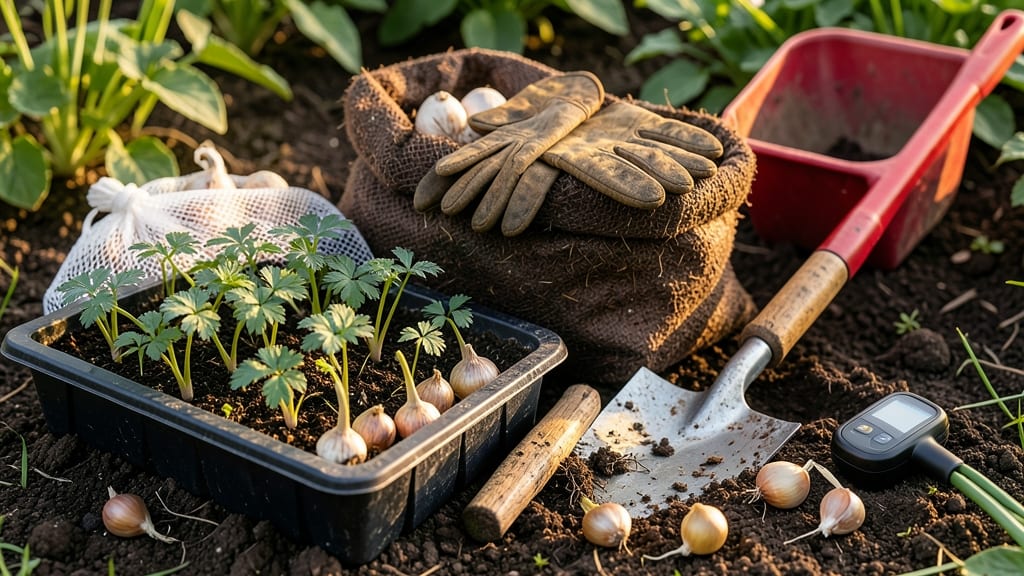
Planting flowers in Chicago means timing it right—soil temperatures and last frost dates between March 15 and May 15 are the key to vibrant blooms all season.
Chicago’s unpredictable spring weather can make planting flowers a high-stakes gamble—get the timing wrong, and your blooms may never reach their full potential. Whether you’re planting annuals for summer color or perennials that return year after year, knowing when to start seeds or transplant seedlings is everything.
In USDA Zone 6a, most flowers thrive when planted after the average last frost date of April 15, but bulbs like tulips and daffodils can go in as early as March for a spring surprise.
This guide breaks down the best planting windows for every type of flower, so you can avoid frost surprises and enjoy a garden bursting with color from April to October.
From hardy coneflowers to delicate pansies, we’ll cover when to plant for maximum blooms, how to protect tender seedlings, and which flowers handle Chicago’s hot summers and early frosts like a pro. Ready to turn your garden into a showstopper?
Chicago’s last frost dates and safe planting windows by flower type
Chicago’s USDA Zone 5b climate creates a delicate balance for gardeners—too early, and a late frost can wipe out tender seedlings; too late, and you miss peak blooming seasons.
The average last frost date hovers between April 15 and May 15, but soil temperature is just as critical as calendar dates. For example, crocuses and daffodils can brave 32°F soil, while marigolds need 60°F+ to thrive.
Understanding these thresholds helps you time plantings for maximum bloom potential without risking frost damage.
Most Chicago gardeners follow the "10-day rule": Wait at least 10 days after the last frost before planting heat-sensitive annuals like petunias or zinnias. However, cold-hardy perennials (e.g., coneflowers, black-eyed Susans) can often go in the ground as early as late March if the soil is workable.
The key is monitoring soil temperature—not just air temperature—since cold ground can stunt root growth even if daytime temps are mild.
Here’s the non-negotiable rule for Chicago gardeners: Never plant tender annuals before May 1, even if the weather seems warm. A late-May frost (which happens 1 in 3 years in the city) can devastate seedlings.
Use frost dates as a starting point, not a deadline—always check local forecasts and soil thermometers for real-time adjustments.
🌱 Pro Tip: Chicago’s urban heat islands can create microclimates where sidewalks and buildings warm soil faster. If you’re planting near a brick wall or pavement, soil may reach 60°F a week earlier than in open fields. Test your garden’s conditions with a soil thermometer to avoid overestimating readiness.
| Flower Type | Cold Hardiness | Last Frost Risk | Optimal Planting Window | Soil Temp Requirement | Chicago-Specific Tips |
|---|---|---|---|---|---|
| Bulbs (Tulips, Daffodils) | Zone 3-8 | Low (plant in fall) | September-October (fall) or March (spring) | 40-50°F | Plant after lilac trees bloom for perennials. |
| Cold-Hardy Annuals (Pansies, Snapdragons) | Zone 3-7 | Moderate (spring frost risk) | April 15-May 1 (after last frost) | 45-55°F | Use frost cloth for early blooms. |
| Heat-Loving Annuals (Marigolds, Zinnias) | Zone 2-11 | High (late frost risk) | May 15-June 1 (after soil warms) | 60°F+ | Wait until forget-me-nots bloom in wild areas. |
| Perennials (Coneflowers, Daylilies) | Zone 3-9 | Low (established roots) | April 1-May 15 (spring) or August (fall) |