
Planting
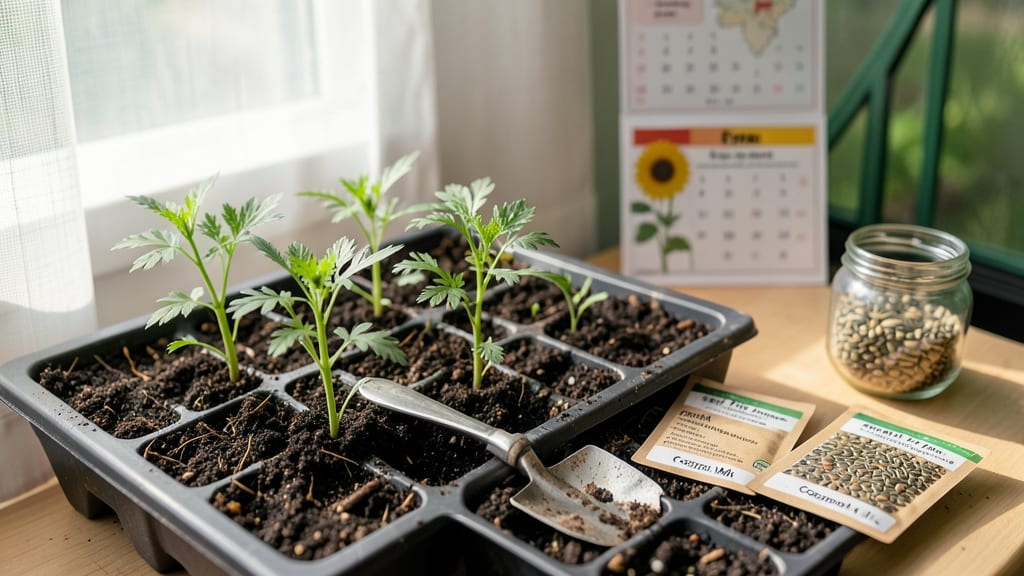
Planting cut flower seeds at the right time means the difference between a bountiful summer harvest and a sad, leggy mess 🌸 — and the clock starts 4-6 weeks before your last frost.
Picture this: you’re staring at a tray of tiny sprouts, wondering if you waited too long, while your neighbor’s zinnias tower over their fence. The truth? Timing is everything, and a few weeks too early or late can leave your blooms struggling in the heat or frost.
Whether you’re in USDA Zone 6a or a warmer climate, I’ll break down the exact months to start seeds indoors or sow directly, plus how to stretch your bloom season with succession planting.
By the end, you’ll know not just when to plant, but how to adjust for your local frost dates and which flowers thrive in early starts versus late-season heat.
USDA zone planting deadlines for cut flower seeds by month
Getting your cut flower seeds in the ground at the right time means the difference between a lush, long-lasting bouquet and sad, stunted stems.
Since USDA zones 3-11 experience wildly different climates, I’ve mapped out the exact planting windows for popular flowers like zinnias, sunflowers, and cosmos—plus how to adjust for your local frost dates. The key?
Start seeds indoors or outdoors based on your last frost date and soil temperature, not just the calendar.
For example, in zone 5, you’ll want to sow heat-loving zinnias after the soil warms to 60°F (usually late May), while cool-season snapdragons can handle 45°F soil and go in as early as March.
In zone 10, where winters are mild, you can plant cosmos year-round with minimal breaks. Below, I’ve broken down the month-by-month deadlines for each zone, so you can plan your succession planting for nonstop blooms from summer to fall.
If you’re in zones 3-6, focus on cool-season flowers first (like snapdragons and calendulas) to beat the heat. These thrive in 50-60°F soil and can handle light frosts, giving you early blooms for Mother’s Day or graduation bouquets.
For zones 7-11, prioritize heat-tolerant varieties like celosia or marigolds, which can handle 90°F+ temps without wilting.
Don’t forget about succession planting—sow new batches every 2-3 weeks to ensure continuous harvests. For instance, in zone 8, I plant cosmos in March, June, and August to stretch blooms from spring through fall.
This works especially well for long-stemmed flowers like sunflowers, which take 60-90 days to mature. By staggering plantings, you’ll always have fresh stems for arrangements or selling at farmers' markets.
For container gardeners, adjust your timeline by 2-4 weeks
How to adjust planting times for extended bloom seasons
Extending your cut flower season isn’t just about planting once—it’s about creating a continuous bloom calendar that keeps your garden vibrant from early summer to frost. The key lies in staggered sowing and succession planting, which ensures fresh flowers when others fade.
For example, zinnias planted every 3 weeks will give you blooms from July through October, while cosmos self-seed prolifically for next year’s show.
Climate plays a huge role, so I always check my last frost date and adjust timelines accordingly. In USDA Zone 7, for instance, I start heat-loving flowers like celosia indoors in late March, while cooler-tolerant snapdragons can go straight into the garden in early April.
Row covers let me push these windows even earlier—sometimes by 2-3 weeks—without risking frost damage.
- Step 1: Stagger sowings every 2 weeks for zinnias, sunflowers, or cosmos to ensure overlapping bloom cycles.
- Step 2: Use row covers to start snapdragons or sweet peas 4-6 weeks before your last frost date.
- Step 3: Plant heat-tolerant varieties (like marigolds or celosia) in late summer for fall harvests.
- Step 4: Succession plant bachelor’s buttons every 4 weeks from May to July for continuous bouquets.
- Step 5: Harvest spent blooms regularly to encourage new growth and extended seasons.
Heat-tolerant varieties are my secret weapon for late-season blooms. Celosia and marigolds thrive in 90°F+ temperatures when many other flowers wilt, giving me fresh cuts well into September. I also save seeds from my best performers—like dahlias—and replant them in late summer for a second flush of color.
This "second planting" trick works wonders for long-stemmed varieties like gladiolus, which often produce their best blooms in cooler fall weather.
For cooler climates (USDA Zones 3-5), I rely on cold-hardy annuals like sweet peas and larkspur, which I sow directly in early spring as soon as the soil is workable.
These flowers handle light frosts and even 32°F nights without batting an eye, giving me early-season harvests while I wait for heat-lovers to mature. Pairing them with row covers extends their season even further, letting me enjoy blooms until the first hard frost.
Don’t overlook container gardening for extended seasons! Many cut flowers—like pansies and calendulas—thrive in pots and can be moved to protected spots (like under eaves or on patios) when nighttime temps dip.
I’ve had pansies bloom straight through winter in Zone 6 with a simple fleece blanket draped over the containers. This low-effort method adds months to your harvest window with minimal extra work.
Finally, keep a planting journal to track what works in your microclimate. Note which varieties bolt too quickly, which resist pests, and which produce the longest stems. Over time, you’ll refine your schedule to create a near-year-round supply of cut flowers—no more gaps between harvests!
With these strategies, your garden will be a nonstop bouquet factory** from spring to frost. 🌻