
Plants
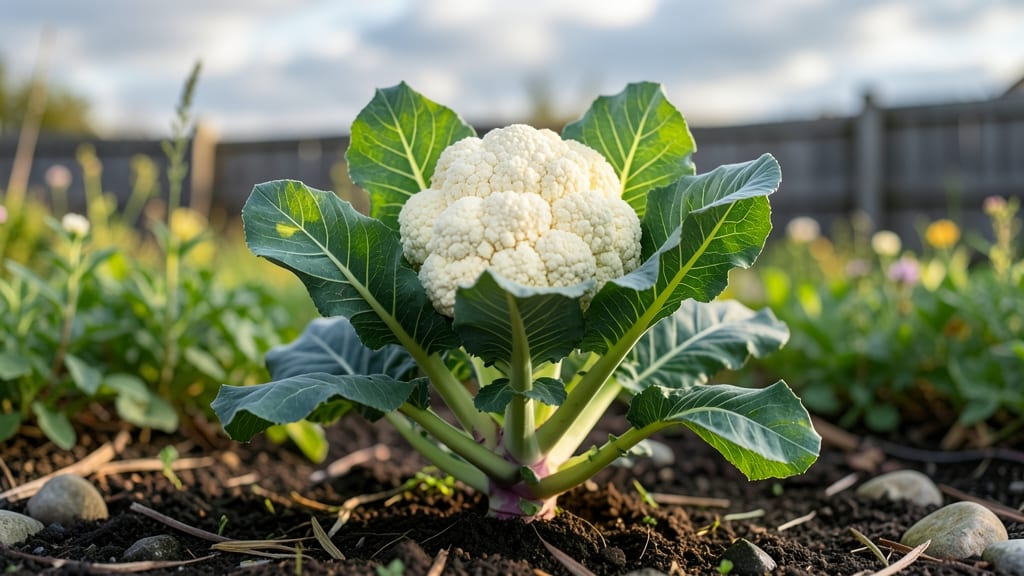
Cauliflower plants typically grow between 18 and 24 inches tall, though some dwarf varieties stay as short as 8 inches while larger types can reach nearly 3 feet.
Wondering how much space to leave between your 🥬 cauliflower plants? The height of your variety determines everything from spacing to trellising needs—and choosing the wrong one could mean stunted growth or wasted garden space.
Most gardeners plant standard varieties 18-24 inches apart, but dwarf types need only 12 inches of room, while giant varieties may require 3 feet to thrive without competition. Proper spacing ensures good airflow, which is key to preventing rot and pests.
Below, I’ll break down height ranges by popular varieties, spacing tips for your garden layout, and how to manage taller plants without sacrificing yield or ease of harvest.

Cauliflower plant height by variety: what to expect from mini to giant types
When planning your garden, knowing how tall cauliflower plants grow helps you avoid overcrowding and maximize yield. Cauliflower varieties range from compact dwarf types to towering giant varieties, each requiring different spacing and care.
For example, a mini cauliflower like 'Purple of Sicily' stays under 12 inches, while a standard variety like 'Snowball Y Improved' can reach 24 inches. Choosing the right type for your space ensures healthy growth and easier harvesting.
Understanding these height differences also impacts your garden layout. Taller varieties need more vertical space to prevent shading smaller plants, while dwarf types work well in containers or tight spaces. Let's explore the height ranges of popular cauliflower varieties and how they affect your garden planning.
Dwarf varieties are ideal for small gardens or containers, while standard and giant types thrive in open beds. The key is spacing plants according to their mature height to ensure proper airflow and sunlight exposure. For instance, planting 18-inch varieties too closely can lead to competition for nutrients and increased disease risk.
Here's a detailed comparison of cauliflower plant heights by variety, including spacing recommendations and growth habits:
| Variety | Height Range | Spacing Needs | Best For |
|---|---|---|---|
| 'Purple of Sicily' | 8-12 inches | 12-18 inches apart | Containers, small gardens |
| 'Snowball Y Improved' | 18-24 inches | 24-30 inches apart | Standard garden beds |
| 'Romanesco' | 20-28 inches | 30-36 inches apart | Open garden spaces |
| 'Cheddar' | 12-18 inches | 18-24 inches apart | Small gardens, raised beds |
| 'Giant of Sicily' | 30-36 inches | 36-48 inches apart | Large gardens, trellises |
The 'Purple of Sicily' is perfect for container gardening or small spaces, while 'Giant of Sicily' needs ample room to avoid overcrowding. Always check the seed packet for specific spacing guidelines, as some varieties may vary slightly in height.
For example, 'Romanesco' can reach nearly 3 feet tall, making it a great choice for vertical gardening if you use a trellis.
Proper spacing is critical for cauliflower growth. Taller varieties like 'Giant of Sicily' need at least 36 inches between plants to prevent shading and disease. In contrast, dwarf varieties like 'Cheddar' can be planted closer together, making them ideal for raised beds or urban gardens.
Always follow the spacing recommendations to ensure your plants receive adequate sunlight and airflow.
If you're growing multiple cauliflower varieties in the same garden, arrange them by height. Place taller types on the north side of your garden to avoid shading shorter plants. This simple layout trick can improve overall yield and reduce the risk of pests and diseases that thrive in crowded conditions.
For container gardening, choose dwarf varieties like 'Purple of Sicily' or 'Cheddar' to maximize your harvest in limited space. A 12-inch pot can comfortably accommodate a single dwarf plant, while larger containers (18+ inches) can hold two plants spaced 12 inches apart.
Always use well-draining soil and a balanced fertilizer to support healthy growth in containers.
When selecting cauliflower varieties, consider your garden's layout and your goals. If you're aiming for a high-yield harvest, standard varieties like 'Snowball Y Improved' are excellent choices. For a compact garden or container setup, dwarf types are the way to go.
Always research each variety's height and spacing needs before planting to ensure a successful harvest.
Remember, cauliflower height isn't the only factor to consider. Soil quality, sunlight, and watering also play significant roles in determining how well your plants grow. With the right variety and proper care, you'll enjoy a bountiful harvest of crisp, flavorful cauliflower heads.
How cauliflower height affects your garden layout and growth success
When planning your 🥬 cauliflower garden, height isn't just about aesthetics—it directly impacts airflow, sunlight exposure, and even pest control. Taller varieties like Romanesco or Purple of Sicily can grow up to 3 feet, while dwarf types like Snowball Y Improved stay compact at just 8-12 inches.
The wrong spacing can lead to crowded plants that struggle with disease or poor head formation.
For garden layout success, taller varieties need 2-3 feet of space between plants to prevent shading and improve airflow. Dwarf varieties can thrive with 12-18 inches of separation, making them ideal for small gardens or container growing.
Understanding these differences helps you maximize your garden's productivity without sacrificing plant health.
Here’s how to arrange your cauliflower plants by height for optimal growth:
- 🌱 Dwarf varieties (8-12 in) – Plant 12-18 in apart in rows 18 in apart. Perfect for containers or small gardens.
- 🌿 Standard varieties (18-24 in) – Space 24 in apart in rows 30 in apart for best airflow and sunlight.
- 🌳 Tall varieties (24-36 in) – Give 3 ft apart in rows 36 in apart. Consider trellising for support.
- 🌿 Companion planting tip: Place dwarf cauliflower near tomatoes or beans to save space, while taller varieties pair well with lettuce or radishes.
- ✂️ Pruning tip: For tall varieties, prune lower leaves to improve airflow and reduce pest risks like cabbage moths.
Taller cauliflower varieties also benefit from vertical gardening. If your garden space is limited, use trellises or stakes to support taller plants like Romanesco. This not only saves space but also makes harvesting easier.
Just ensure the trellis is sturdy enough to hold the weight of mature heads, which can reach 4-6 pounds each.
Height also affects harvesting ease. Taller plants may require stools or kneeling pads to avoid back strain, while dwarf varieties are perfect for ground-level harvesting. If you’re growing multiple varieties, arrange them by height in rows—tallest in the back, shortest in front—to optimize sunlight and accessibility.
Finally, remember that companion planting can mitigate height-related challenges. For example, planting dwarf cauliflower near onions or garlic deters pests without competing for space. Meanwhile, taller varieties thrive when paired with low-growing herbs like thyme or oregano, which won’t shade their leaves.
With the right layout, you can turn height differences into an advantage for a thriving garden.