
Planting
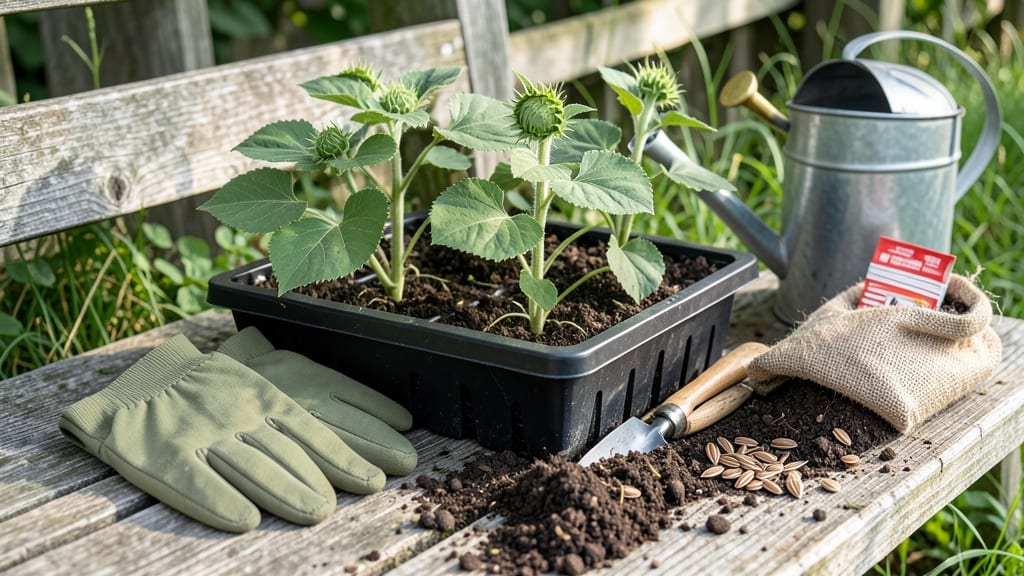
Direct-sowing sunflowers 🌻 after your last frost date ensures fast germination and towering summer blooms—skipping this window risks weak starts or missed harvests.
Picture this: you’ve prepped your garden bed, seeds in hand, only to watch them sit for weeks without sprouting. That’s what happens when you plant too early—cold soil slows germination, and by the time warmth arrives, your sunflowers are already playing catch-up.
But get the timing right, and you’ll see those familiar green shoots in as little as 3 days, with mature plants reaching for the sky by midsummer. The key? Waiting until soil temps hit 50°F (or 45°F for cold-hardy varieties) and aligning with your local frost-free date.
Below, I’ll break down the exact soil triggers, zone-by-zone planting windows, and pro tips to speed up germination—so you can enjoy sunflowers that grow faster than weeds and outshine everything else in your garden.
Optimal soil temperature ranges for direct sowing sunflowers
Sunflowers thrive when sown into soil that’s warm enough to trigger rapid germination—typically between 45°F and 90°F. But not all varieties are equal: cold-hardy types like 'Autumn Beauty' can sprout at 45°F, while heat-sensitive 'Mammoth' varieties prefer 70°F+ for best results.
Understanding these ranges ensures your seeds don’t sit dormant or rot in cold, wet soil.
Soil temperature is more critical than air temperature because seeds rely on ground heat to activate enzymes for germination. A soil thermometer (just $10–$15) is your best tool—insert it 2 inches deep (the depth you’ll plant seeds) and check readings in the morning for accuracy.
If your soil is below 50°F, germination slows dramatically, risking rot or fungal issues.
Regional climates play a huge role. In USDA Zones 3–5, wait until soil warms to 55°F+ after the last frost date (usually late May).
In Zones 6–11, you can start as early as mid-April (soil 50°F+) or even earlier with black plastic mulch to warm the soil faster. Coastal areas may need to wait 2–4 weeks longer due to cooler ocean breezes.
| Variety Type | Ideal Soil Temp | Min Viable Temp | Best Climate Zones | Germination Time |
|---|---|---|---|---|
| Cold-Hardy (e.g., 'Autumn Beauty') | 55°F–70°F | 45°F | Zones 3–7 | 7–14 days |
| Standard (e.g., 'ProCut') | 60°F–80°F | 50°F | Zones 4–10 | 5–10 days |
| Heat-Tolerant (e.g., 'Mammoth') | 70°F–90°F | 55°F | Zones 6–11 | 3–7 days |
| Dwarf (e.g., 'Teddy Bear') | 50°F–75°F | 40°F | Zones 2–9 | 10–21 days |
⚠️ Note: Soil temps >90°F can cause seeds to dry out; water lightly to keep moisture without overheating.
If your soil is too cold, don’t rush—waiting a few weeks for consistent warmth prevents weak seedlings. For a head start, use black plastic mulch or a cold frame to raise soil temps by 5–10°F.
In containers, soil warms faster than in-ground, so you can plant 2–3 weeks earlier in pots. Just ensure drainage is excellent to avoid waterlogged roots.
Heat-sensitive varieties like 'Russian Giant' struggle when soil exceeds 85°F for prolonged periods. In Zones 8–11, opt for late summer sowing (August–September) to avoid scorching heat. Use shade cloth temporarily if temps spike above 90°F during germination. Always monitor soil moisture—dry soil heats up faster than moist soil.
Pro tip: Test your soil’s warmth by pressing your hand into it. If it feels warm to the touch (like a cozy bath), it’s likely 60°F+—perfect for most sunflower varieties.
For cold-hardy types, aim for lukewarm (like a cup of tea). This simple trick saves you from buying a thermometer if you’re in a pinch.
Once seeds sprout, maintain soil temps between 65°F–80°F for robust growth. If nighttime temps drop below 50°F, use row covers or straw mulch to insulate roots. Sunflowers are resilient, but consistent warmth during germination is non-negotiable for that iconic towering bloom you’re dreaming of.
Remember: Soil temperature fluctuates daily, so check it morning and evening for 2–3 days before sowing. If temps dip at night, your seeds may not germinate evenly. Patience here pays off—fast, uniform germination means stronger, straighter stems ready to chase the sun.
For succession planting, sow every 2 weeks once soil hits the ideal range. This extends your harvest window and ensures continuous blooms from summer to early fall. Just adjust spacing as seedlings grow—6–12 inches apart depending on variety—so they don’t compete for warmth or nutrients.
🌱
Best months to plant sunflowers by US hardiness zone
Sunflowers thrive when planted after your last frost date but before summer heat sets in. The exact timing varies by USDA hardiness zone, with cooler zones needing earlier starts and warmer zones benefiting from late-summer succession plantings.
For example, in Zone 3, you’ll want to sow by early June to avoid fall frosts, while Zone 10 gardeners can direct-sow year-round with minimal risk.
To pinpoint your window, calculate your frost-free days (typically 120–150 days for full sunflowers) and work backward from your first expected frost. Most sunflowers mature in 80–120 days, so planting too late risks stunted growth or no blooms.
Below, I’ve mapped out the ideal months for each zone, plus tips for extending your growing season in cooler climates.
| Zone | Ideal Planting Months | Soil Temp Trigger | Late-Season Tip |
|---|---|---|---|
| 3–5 | Mid-May to early June | 50–55°F (use black plastic mulch) | Try dwarf varieties (e.g., 'Teddy Bear') for shorter seasons |
| 6–7 | Late April to mid-May | 55–60°F | Sow succession crops in late July for fall blooms |
| 8–9 | March to early April | 60–65°F | Plant heat-tolerant varieties (e.g., 'Moulin Rouge') in August |
| 10–11 | Year-round (avoid winter) | 65–75°F | Use shade cloth in peak summer to prevent bolting |
In Zones 3–5, where winters are harsh, focus on early May plantings and protect seedlings with row covers if nights dip below 40°F.
For Zones 6–9, you can stretch your season by sowing a second batch in late July—these "fall sunflowers" will bloom just in time for autumn harvests. In Zones 10–11, treat sunflowers like annuals and plant in spring and fall to avoid the brutal midday heat.
Pro tip: If your soil stays cool (below 50°F), pre-warm it with black plastic mulch for 1–2 weeks before sowing. This trick adds 5–10°F to soil temps, speeding up germination from 7–10 days to just 3–5 days.
Pair this with drip irrigation to keep moisture consistent, and you’ll have sunflowers reaching for the sky in record time.
For gardeners in high-altitude areas (e.g., Denver, CO or Flagstaff, AZ), adjust your planting window 2–4 weeks later than your zone’s average—cooler nights delay soil warming. Conversely, coastal regions (like San Francisco) may need earlier starts due to marine layer delays.
Always check your local frost-free date and count backward from your variety’s maturity days.
Remember: Sunflowers hate competition. Thin seedlings to 12–18 inches apart (depending on variety) once they’re 4–6 inches tall, and watch them grow into the towering giants you planted for. With the right timing, you’ll have sunflowers that outshine your neighbors’—and maybe even your own expectations. 🌻