
Vegetables
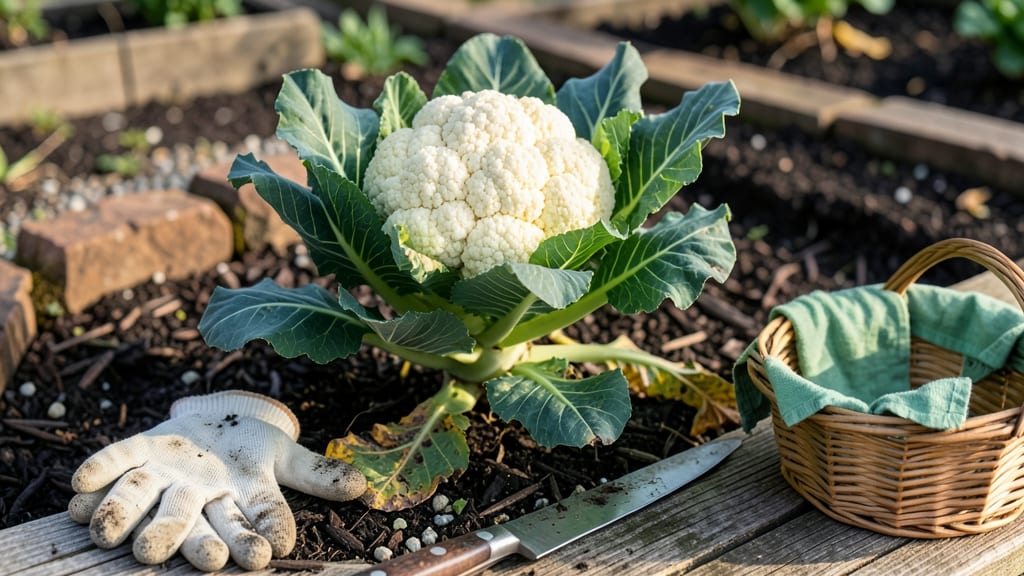
Cauliflower is ready to be picked when its head reaches 6-8 inches and the buds stay tightly closed—missing this window turns a tender harvest into a bitter disappointment.
Picture this: you’ve nurtured your 🥬 all spring, and now the moment of truth arrives. One wrong move, and that perfect head could bolt or turn woody. But with the right cues—color, firmness, and leaf changes—you’ll know exactly when to snip for peak flavor.
Most gardeners wait too long, letting the buds loosen or the leaves yellow too much. I’ve learned the hard way that timing matters more than you’d think—especially in Zone 6a, where summer heat speeds up maturity.
Below, I’ll walk you through the 3 foolproof signs your cauliflower is ready, plus how to test it without damaging the plant. No guesswork, just a harvest you’ll actually enjoy.
3 Visual signs cauliflower is ready for harvest (with photos)
Knowing when to harvest cauliflower can feel tricky, but three key visual cues will help you avoid picking too early or too late. The right moment ensures a tender, flavorful head instead of a tough, bitter mess.
Let’s break down what to look for in color, size, and texture—plus how to check without damaging your plant.
First, pay attention to the head size. A fully mature cauliflower head typically measures 6 to 8 inches in diameter. If it’s smaller, it’s likely still developing.
Overly large heads may have started flowering, which means the curd will become woody and less palatable. Measure with your hand: a grapefruit-sized head is usually ready!
Next, observe the outer leaves. As the head matures, the large, curly leaves surrounding it will begin to yellow and die back. This is nature’s way of signaling that the plant is redirecting energy to the head.
If the leaves are still vibrant green, your cauliflower needs more time to reach peak maturity.
Finally, check the color consistency. A ready-to-harvest head will have a deep, uniform color, whether white, purple, or green. Pale or patchy coloring means it’s not fully developed. For example, purple cauliflower should have rich, even hues—not streaks of green or brown.
A common mistake is harvesting too early because the head looks almost ready. If you pick cauliflower before it’s fully mature, the flavor will be bland, and the texture will be loose and spongy.
On the flip side, waiting too long risks the head opening into flower buds, which turns the curd bitter and tough. Always prioritize firmness and color over size.
To test readiness without harming the plant, gently press the head with your thumb. If it feels solid and resists slight pressure, it’s ready. If it feels soft or mushy, wait another 2–3 days.
This simple trick helps you avoid overripe cauliflower while ensuring you don’t miss the harvest window.
Environmental factors like temperature and humidity can also affect maturity. Hot weather may cause heads to bolt (flower) prematurely, while cool, damp conditions can slow development. If your garden is experiencing unseasonably hot days, keep an extra-close eye on the leaves for yellowing—this could signal an early harvest.
Once you’ve confirmed all three signs—size, leaf color, and texture—use a sharp knife to cut the head about 1 inch below the base. This leaves the plant intact for potential side shoots, which can produce smaller heads.
Store harvested cauliflower in a plastic bag in the fridge for up to a week, or blanch and freeze for longer storage.
Pro tip: If your cauliflower starts to split or crack, it’s a sign of overmaturity. This happens when the head outgrows its protective leaves. In this case, harvest immediately, as the curd will quickly turn woody. Don’t let perfectionism cost you a good harvest—when in doubt, pick it!
How to test cauliflower firmness: the finger-press method explained
Determining the perfect moment to harvest your cauliflower can be tricky, but the finger-press method is my go-to trick for checking firmness without damaging the plant. This simple test helps you avoid picking too early (when the head is still loose) or too late (when it turns woody and bitter).
The key is to focus on the curd’s center, where the real magic happens.
Start by gently pressing the outer curd layers with your thumb and forefinger. A ready-to-harvest head should yield slightly but feel firm—like pressing a ripe avocado. If it feels too soft, it needs more time; if it’s rock-hard, you’ve waited too long.
This method works for white, purple, or green varieties, though purple types may feel slightly firmer due to their thicker skin.
Don’t forget to check the center of the head, where the buds should be tightly packed. If you see gaps or yellowing, the head is past its prime.
Pro tip: Rotate the head as you press to test multiple spots—some areas may mature faster than others, especially in uneven sunlight.
⚠️ CAUTION: WHEN IS CAULIFLOWER REALLY READY TO BE PICKED?
- Yellowing outer leaves (not the head!) signal maturity—don’t wait for them to brown completely.
- Head size of 6-8 inches is ideal; larger heads often mean tougher texture.
- Environmental stress (heatwaves or heavy rain) can accelerate or stall maturity—adjust your timeline accordingly.
Environmental factors play a huge role in cauliflower readiness. Heat stress (above 85°F) can cause heads to bolt prematurely, while cool, rainy weather may slow maturation. If your garden is experiencing unusual temperature swings, check firmness every 2-3 days instead of relying solely on days-to-maturity estimates.
Even soil moisture affects texture—consistent watering keeps heads tender.
For the final test, bend the stem near the base. A ready head will snap cleanly; if it resists, it’s not quite there. This is especially useful for loose-leaf varieties, which can hide their true readiness beneath layers of foliage.
Once you’ve confirmed firmness, harvest within 24 hours to preserve flavor and texture.
After harvesting, store your cauliflower in the crisper drawer of your fridge for up to 5 days, or blanch and freeze for longer storage. The finger-press method isn’t just about timing—it’s about respecting your plant’s natural rhythm.
With practice, you’ll develop an instinct for when that perfect head is ready to come home.