
How To
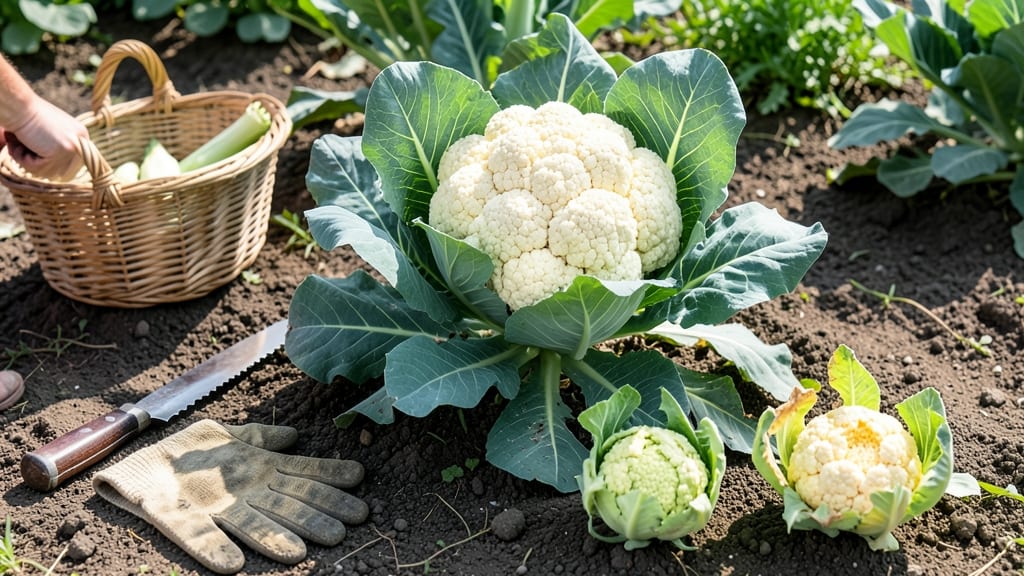
To know when to pick cauliflower 🥬, watch for tight curds, vibrant color, and yellowing leaves—these are the three key signs your harvest is ready before the heat sets in.
Picture this: you’ve nurtured your cauliflower for months, and now the moment of truth arrives. One wrong move, and you’ll end up with bitter, loose heads instead of the crisp, flavorful curds you’re dreaming of. But don’t worry—with the right cues, you’ll never miss the perfect window again.
Beyond the basics, there’s a simple thumb squeeze test to confirm readiness, plus how to adjust for weather delays or overripe plants. I’ll walk you through every step, from checking the curd’s firmness to knowing when to cut—so you can enjoy your homegrown harvest at its peak.
By the end, you’ll spot the exact moment your cauliflower is begging to be picked, whether it’s a 75-day Romanesco or a classic white variety. No more guesswork, just foolproof timing for gardeners in Zone 6a and beyond.
3 Key visual signs your cauliflower is ready to harvest
Harvesting cauliflower at the wrong time can mean the difference between a crisp, flavorful head and one that's woody, bitter, or overripe. The good news? Nature gives you clear visual cues when your cauliflower is ready to pick.
These three key signs will help you time your harvest perfectly, ensuring you enjoy the best possible taste and texture from your garden.
First, focus on the curd's tightness. A perfectly mature cauliflower head should feel firm and compact, almost like a tightly packed ball of florets. If you gently press the curd and it feels soft or spongy, it's likely past its prime.
This is one of the most reliable ways to avoid harvesting cauliflower that's already starting to break down.
Next, pay attention to the leaf color changes around the head. As the cauliflower matures, the outer leaves will begin to yellow and die back. This isn't a sign of disease—it's nature's way of telling you the head is ready.
If the leaves are still vibrant green and healthy, your cauliflower needs more time to mature. Ignoring this cue often leads to oversized but poor-quality heads.
Finally, check the stem firmness near the base of the head. A ready-to-harvest cauliflower will have a thick, sturdy stem that doesn't wilt when touched. If the stem feels hollow or mushy, the head has likely overmatured.
This final check acts as a backup to the first two signs, giving you confidence in your harvest timing.
How to Know When to Pick Cauliflower
- 1. Curd Tightness: Press the head gently—it should feel firm and compact, not loose or spreading. If florets separate easily, it's overripe.
- 2. Leaf Color: Outer leaves should be yellowing and dying back. Green leaves mean more time is needed; brown, crispy leaves signal it's too late.
- 3. Stem Firmness: The stem at the base should be thick and sturdy. A hollow or mushy stem means the head has overmatured and may be woody.
- Bonus Tip: Check the head's size (6-8 inches). Smaller heads may not be fully mature, while larger ones often lose quality.
Pro Tip: Harvest on a cool, cloudy day to preserve freshness and reduce stress on the plant. Use a sharp knife to cut the stem cleanly, leaving a few inches of stalk attached.
One common mistake gardeners make is waiting too long because the head looks big enough. Size alone isn't enough—you must combine all three signs for the best results. For example, a large head with loose florets is a classic sign of overmaturity, even if it meets the size requirement.
Always prioritize tightness and firmness over size when deciding whether to harvest.
Another helpful trick is to monitor your cauliflower daily in the week leading up to expected harvest time. Most varieties mature between 75 to 100 days after planting, but this can vary based on your climate.
If you notice the outer leaves starting to yellow before the head feels firm, it might be a heat-stressed plant trying to bolt prematurely. In this case, harvest immediately, even if the curd isn't perfectly tight.
For purple or orange varieties, the color cues become even more important. While white cauliflower might still look palatable when slightly overripe, colored varieties often develop uneven or dull hues as they age.
A vibrant, consistent color is a clear sign of freshness. If you see patches of pale or faded color, it's time to harvest—don't wait for the head to reach its maximum size.
Finally, remember that weather plays a role in harvest timing. Hot, dry conditions can cause cauliflower to mature faster and become bitter or woody if left too long. If you're in a warm climate, check your plants every 2-3 days during peak growing season.
In cooler regions, you might have a slightly longer window, but the same visual cues apply.
By mastering these three key signs—curd tightness, leaf color changes, and stem firmness—you'll never miss the perfect moment to harvest your cauliflower again. The next time you're in your garden, take a few seconds to give your heads a gentle squeeze and a quick color check.
Your taste buds will thank you!
How to test cauliflower maturity beyond appearance
When your cauliflower heads reach the right size but you're unsure if they're truly ready, don't rely on looks alone. The thumb squeeze test is my go-to method for verifying maturity. Gently press the curd with your thumb—it should feel firm like a ripe avocado, not soft or spongy.
If it yields slightly, it needs more time; if it resists, you're ready to harvest.
Another key indicator is the head diameter. Aim for 6-8 inches across—any smaller may still be developing, while larger heads risk becoming tough or bitter. I always measure mine against a plate or ruler for accuracy, especially with purple or orange varieties that blend into the foliage.
🌱
⚠️ Warning: Premature Bolting Signs
If your cauliflower bolts too early (sends up a tall flower stalk), it's often due to heat stress or poor spacing. Check for these red flags:
- Yellowing leaves before head maturity
- Loose curds splitting apart
- Tall stems elongating rapidly
✅ Fix it: Harvest immediately or use the head for cooking. For next season, plant shade-tolerant varieties like 'Snowball Y Improved' and space plants 18-24 inches apart.
Weather plays a crucial role in timing. Cooler temperatures (60-70°F) slow down maturity, while hot spells above 80°F can cause bolting. I always check the 5-day forecast—if heat is coming, harvest sooner rather than later.
Evenings with light frost warnings also signal it's time to pick, as cold can turn heads woody.
For side shoots (smaller heads that form after the main harvest), I use the same thumb test but adjust my expectations. These secondary curds often mature faster and are perfect for quick stir-fries.
Watch for tight florets and harvest when they're 1-2 inches wide, as they won't grow much larger.
Pro tip: Check maturity every 2-3 days during peak season. Set a reminder on your phone or tie a colored ribbon to the tallest stalk as a visual cue. The more consistent you are, the less likely you'll miss the sweet spot between perfect ripeness and overmaturity.
🌿