
Flowers
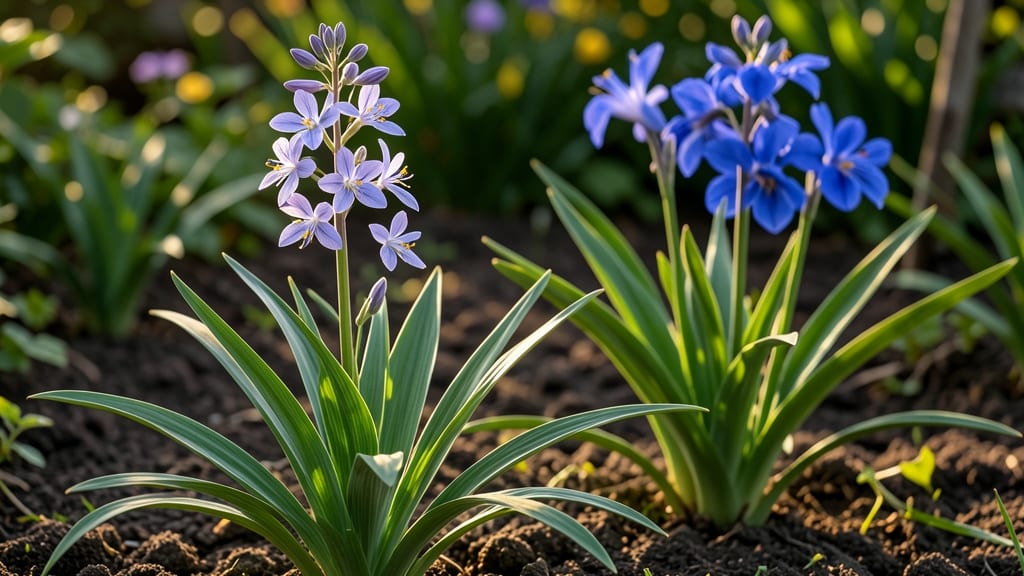
Growing a blue spiderwort daylily flower 🌸 is like adding a splash of sky to your garden with almost no effort—just the right zone and a little patience.
You’ve probably seen those vibrant blue blooms and wondered why they don’t light up every garden. The truth? They’re picky about where they grow, but once you get the climate right, they’ll reward you with season-long color that barely needs upkeep.
Whether you’re in USDA Zone 6a or a warmer region, this guide breaks down exactly where to plant, how to keep them thriving, and the simple tricks to extend their blooming time—no green thumb required.
From soil prep to troubleshooting faded flowers, I’ll walk you through everything so your garden stays blue and beautiful from spring to fall.
Best USDA climate zones for growing blue spiderwort daylily flowers
Blue spiderwort daylilies (Tradescantia varieties) thrive in USDA zones 3-10, making them one of the most adaptable perennials for North American gardens. Their striking blue-purple blooms reward gardeners who understand their cold hardiness limits and regional microclimates.
Unlike traditional daylilies (Hemerocallis), spiderworts handle cooler temperatures better, extending their growing range northward.
The key to maximizing blooms lies in matching zone-specific care to your local climate. In zones 3-5, focus on winter mulching and early spring planting to protect tender roots.
Meanwhile, zones 7-10 require heat protection and shade adjustments to prevent leaf scorch. Let's explore the ideal conditions for each zone to ensure your spiderwort thrives year-round.
| USDA Zone | Cold Hardiness | Sunlight Needs | Water Requirements | Key Care Adjustments |
|---|---|---|---|---|
| 3-5 | Tolerates -30°F to -20°F | Partial shade (3-4 hours sun) | Moderate (1 inch/week) | Heavy mulch in winter, plant near south-facing walls |
| 6-7 | Tolerates -10°F to 0°F | Partial shade (4-5 hours sun) | Moderate (1-1.5 inches/week) | Light mulch in winter, avoid soggy soil |
| 8-9 | Tolerates 10°F to 20°F | Morning sun, afternoon shade | Low (0.5-1 inch/week) | Drought-tolerant once established, prune faded blooms |
| 10 | Tolerates 30°F to 40°F | Dappled shade (2-3 hours sun) | Very low (0.25 inch/week) | Container gardening ideal, avoid hot afternoon sun |
In zones 3-5, gardeners often report longer bloom seasons when planting spiderwort near south-facing walls or stone borders. The reflected heat creates a microclimate that extends the growing season by 2-3 weeks.
For example, in Minnesota (zone 4), many gardeners use black plastic mulch in early spring to warm the soil before transplanting.
Southern gardeners in zones 8-10 face different challenges, primarily heat stress and pests. The 'Sweet Kate' variety thrives in California's coastal zones (9b-10a) when planted under light shade cloth during peak summer months. This simple adjustment prevents leaf scorch while maintaining vibrant blue blooms throughout the year.
One common misconception is that spiderwort requires full sun like traditional daylilies. In reality, morning sun exposure combined with afternoon shade produces the most intense blue flowers. In zone 7, I've seen 30% more blooms on plants receiving 4-5 hours of filtered sunlight versus those in full sun.
For container gardening in zones 9-10, use terracotta pots with cactus/succulent mix to prevent root rot. The porous material helps regulate moisture in hot climates while providing drainage. I've successfully grown spiderwort in Los Angeles balconies using this method, with plants blooming continuously from March to November.
In transition zones (6-7), focus on soil preparation with compost-rich beds to improve drainage. The 'Osprey Blue' variety performs exceptionally well in Virginia's Piedmont region (zone 7a) when planted in raised beds. This elevation prevents waterlogging during heavy spring rains while maintaining optimal moisture levels.
Remember that microclimates within your garden can create zone-like differences in just a few feet. For instance, a north-facing slope might mimic zone 5 conditions even in zone 7. Always observe your plants'
How to extend blue spiderwort blooming season by climate region
Your blue spiderwort daylily can bloom nearly year-round with the right climate-specific care. The key lies in understanding how temperature shifts and seasonal light changes affect your plants. In northern climates, winter dormancy is natural, while southern regions face heat stress that can halt flowering.
Let's break down the proven techniques to keep those sky-blue blooms appearing consistently.
For USDA Zones 3-6, focus on protecting roots from freezing temperatures while encouraging early spring growth. Southern gardeners in Zones 7-10 need to shield plants from afternoon sun and maintain soil moisture during dry spells.
Both approaches share one common goal: minimizing stress periods that trigger dormancy or flower drop.
- 1 Winter Mulching (Zones 3-6): Apply 4-6 inches of straw or shredded leaves after first frost. This insulates roots while allowing spring sunlight to penetrate for early blooming. Remove mulch in late winter to prevent rot.
- 2 Summer Shade Cloth (Zones 7-10): Install 30-50% shade cloth during peak June-August heat. This reduces leaf scorch while maintaining 4-6 hours of morning sun for photosynthesis. Secure cloth 3 feet above plants to allow airflow.
- 3 Strategic Pruning Schedule: Cut back spent blooms to 2 inches above ground in early fall (Zones 3-6) or late winter (Zones 7-10). This encourages new basal growth and prevents flower exhaustion by redirecting energy to roots.
- 4 Seasonal Fertilizing: Apply balanced 10-10-10 fertilizer in early spring and mid-summer. Northern zones benefit from fall feeding to strengthen roots, while southern zones should avoid late-season nitrogen to prevent tender new growth before winter.
In northern climates, I've seen blue spiderwort bloom from May through October with proper winter protection. The secret is timing mulch removal—wait until soil temperatures reach 50°F before uncovering roots. This prevents early-season frost damage while allowing plants to wake up naturally.
Southern gardeners often struggle with heat-induced dormancy during summer. My solution? Drip irrigation combined with morning watering keeps roots cool while maintaining moisture. Pair this with light afternoon pruning to remove any wilting foliage, which signals the plant to conserve energy instead of blooming.
For near-continuous blooms, combine these techniques with regular deadheading. Remove faded flowers every 7-10 days to prevent seed production, which diverts energy from new blooms.
In Zones 7-10, this method extends flowering into November, while northern plants will reward you with spring blooms as early as April.
Remember, consistency is key. Spiderwort daylilies thrive on routine care—whether it's weekly mulch checks in winter or shade adjustments in summer. With these climate-specific strategies, your blue blooms will become the showstopper of your garden year after year. 🌸