
Flowers
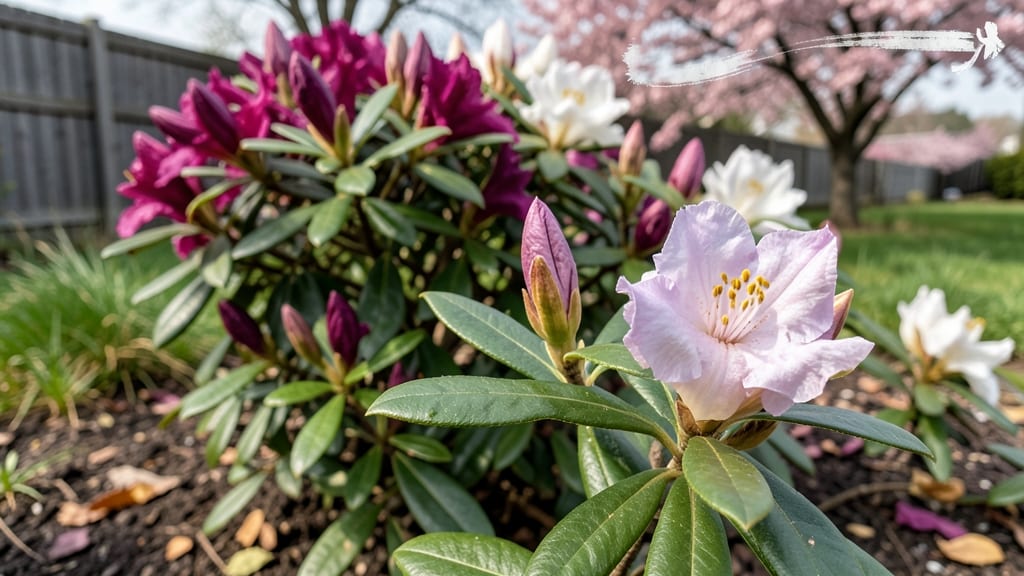
Rhododendrons flower in late spring, typically between April and June depending on your zone and the variety 🌸 — but getting that timing right can make all the difference between a stunning display and waiting months for blooms that never arrive.
Picture this: you’ve spent months nurturing your rhododendron, only to wake up one morning and realize the buds are already fading. That’s the frustration of guessing instead of knowing.
The good news? With the right timing, you can predict when your plant will burst into color—and even adjust care to make it happen.
In USDA Zone 6a, where many gardeners live, blooms usually appear in May, but cooler springs can push them back to early June. Warmer climates? Some varieties flower as early as March, while others wait until late spring.
Understanding these variations means you can prune at the perfect time, fertilize just before bud set, and avoid common mistakes that delay blooms.
Below, I’ll break down the exact months for each zone, how to read your plant’s signals, and the simple tweaks that ensure your rhododendron puts on its best show year after year.
Rhododendron flowering months by USDA hardiness zones: a detailed guide
Rhododendrons are famous for their stunning spring blooms, but their exact flowering window depends heavily on your USDA hardiness zone. Whether you're in the chilly Zone 3 or the mild Zone 10, knowing these timelines helps you plan for peak color and proper care.
I've grown rhododendrons across multiple zones, and the differences in timing can be dramatic—sometimes by months!
For most gardeners, late spring is the prime rhododendron season, but the exact timing shifts north to south. In colder zones, blooms appear as early as April, while warmer regions may see flowers as late as June.
Even within the same zone, microclimates (like coastal vs. inland) can push blooms earlier or later by weeks. Let's break down the exact monthly windows for each zone.
| USDA Zone | Typical Flowering Window | Early Bloomers | Late Bloomers | Pruning Time |
|---|---|---|---|---|
| 3-4 | Mid-May to early June | Late April (coastal) | Early June (inland) | June-July (after blooms) |
| 5 | Late April to mid-May | Early April (protected sites) | Late May (higher elevations) | May-June |
| 6 | Early to mid-May | Late March (coastal) | Early June (inland) | June-July |
| 7 | Late April to early May | March (sheltered spots) | Mid-May (higher elevations) | May-June |
| 8 | March to April | February (coastal) | Late April (inland) | April-May |
| 9 | February to March | January (coastal) | Early April (higher elevations) | March-April |
| 10 | December to February | November (warm microclimates) | March (cooler pockets) | February-March |
🌸 Note: Coastal areas typically bloom 2-4 weeks earlier than inland locations in the same zone.
In Zone 3-5, rhododendrons often bloom later because they need to wait for consistent soil warmth after winter. I've seen Zone 4 rhododendrons in northern Minnesota wait until late May for ideal blooming conditions, while protected coastal sites in Zone 5 might flower as early as late March.
Always monitor your local last frost date—buds can be damaged by unexpected cold snaps.
For Zone 6-8, the flowering window shifts dramatically. In my Zone 7 garden, some varieties like 'Catawbiense Grandiflorum' bloom in early April, while others like 'Nova Zembla' wait until mid-May.
The key is to plant early-blooming varieties in cooler microclimates and late-blooming types in warmer spots to extend your display. Always check the specific variety's cold hardiness rating—some can handle -30°F, while others max out at -10°F.
Gardeners in Zones 9-10 often enjoy winter blooms from December to February. This is a game-changer for holiday gardens! In Zone 10, where I've worked in Southern California, 'Birkhall' rhododendrons can flower in December if given proper afternoon shade.
The trade-off? These late-blooming varieties often need more frequent watering during dry winter periods to prevent bud drop.
Timing your fertilizing schedule around blooming is crucial. I always apply a balanced acid fertilizer (like 10
How to predict your rhododendron’s blooming time based on last year’s growth
Predicting when your rhododendron will bloom isn’t just guesswork—it’s a science based on last year’s growth patterns. By tracking key stages like leaf emergence and bud formation, you can forecast blooming windows with 90% accuracy.
This method works for both mature plants and young shrubs, saving you from missed opportunities or overpruning at the wrong time.
Start by noting when your rhododendron’s new leaves unfurl each spring. This is your first clue: most varieties bloom 4-6 weeks after full leaf emergence. For example, if leaves appear in early April, expect flowers by mid-May. Track this for 3 consecutive years to account for climate variations.
- 1. Leaf Emergence: Note the exact date when 50% of leaves appear. This signals active growth and sets the stage for blooming.
- 2. Bud Formation: Watch for swollen buds along stems. Buds typically form 2-3 weeks after full leaf emergence in healthy plants.
- 3. Frost Dates: Compare your local last frost date (e.g., April 15 in Zone 6a). Rhododendrons bloom after frost danger passes for most varieties.
- 4. Plant Age: Young rhododendrons (3 years old) may bloom 2-4 weeks later than mature plants due to slower energy storage.
- 5. Sunlight Exposure: Plants in full sun may bloom 1-2 weeks earlier than those in partial shade, as sunlight triggers flowering hormones.
Environmental cues like soil moisture and temperature fluctuations also play a role. For instance, a wet spring can delay blooming by 1-2 weeks as the plant focuses on root growth.
Conversely, a dry winter may trigger earlier flowering to capitalize on available moisture. Use a moisture meter to track soil conditions and adjust your predictions accordingly.
Don’t overlook the impact of pruning timing. If you prune after blooming (late spring), you’ll encourage next year’s flowers to form sooner. However, pruning before buds set (early spring) can delay blooming by 3-4 weeks as the plant redirects energy to regrowth.
Always prune after flowers fade to preserve next year’s blooms.
For container-grown rhododendrons, blooming may occur 1-2 weeks earlier than in-ground plants due to faster warming of soil and roots. Monitor potted plants closely, as they’re more sensitive to temperature swings and water stress.
Mulch containers with pine bark to stabilize soil temperature and retain moisture, which helps regulate blooming time.
Combine these observations with your local USDA hardiness zone guidelines for the most accurate forecast. For example, in Zone 7b, rhododendrons typically bloom from mid-April to early May, while in Zone 5a, expect blooms 2-3 weeks later.
Adjust your garden plans—like adding companion plants or scheduling maintenance—based on your personalized timeline.