
Flowers
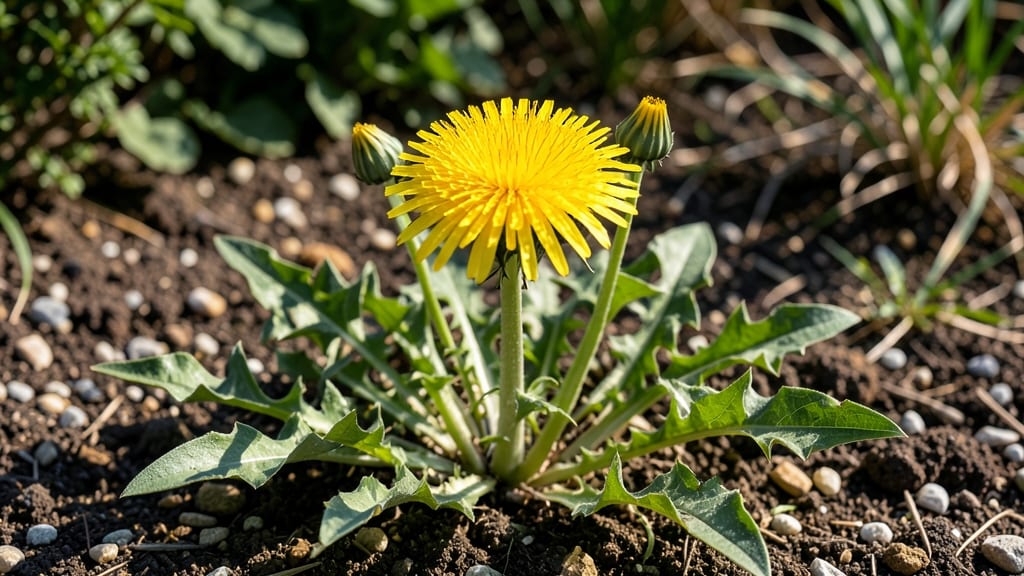
Dandelions flower when temperatures rise and days lengthen—typically from early spring into late fall, depending on your climate zone.
If you’ve ever wondered why they seem to pop up overnight in your yard—only to vanish just as quickly—timing is everything. These hardy perennials follow a precise bloom schedule that varies dramatically by climate, and understanding it can help you control them (or even harness their benefits).
In most temperate regions like USDA Zone 6a, dandelions 🌼 begin flowering as early as March, peaking in April and May before tapering off by late summer. Warmer zones, like Southern California, may see blooms year-round, while colder areas might only get a brief window in spring.
Below, I’ll break down exactly when to expect those bright yellow blooms in your area, plus the factors that can shift their schedule—so you can stay one step ahead of their tenacious growth.
Dandelion flowering timeline by USDA climate zones
If you’ve ever spotted those bright yellow dandelion blooms popping up in your lawn or garden, you’ve likely noticed they don’t appear all year round. Their flowering schedule is tightly linked to your USDA hardiness zone, with dramatic variations from the frosty North to the mild South.
Understanding these patterns helps you predict when to expect those cheerful (or pesky) flowers—and how to manage them effectively.
Dandelions (Taraxacum officinale) are perennial weeds that bloom in response to temperature shifts and daylight hours. In colder zones, they wait for spring’s warmth, while in warmer climates, they may flower year-round with seasonal peaks.
Let’s break down their bloom cycles by zone, so you can plan your garden strategy accordingly.
🌱 Pro Tip: Dandelions often flower earlier in urban areas due to the urban heat island effect, which can push blooms 2-4 weeks ahead compared to rural zones.
| USDA Zone | Early Bloom | Peak Bloom | Late Bloom | Regional Notes |
|---|---|---|---|---|
| Zones 3-5 (Coldest) | Late April to May 15 | May 20 to June 15 | July 1 to August 10 | Northern states like Minnesota and New York see brief fall blooms if frost is delayed. |
| Zones 6-7 (Temperate) | March 20 to April 10 | April 20 to May 30 | June 15 to July 20 | Chicago and Philadelphia may see minor fall blooms in September. |
| Zones 8-9 (Mild) | February 15 to March 10 | March 20 to April 20 | May 1 to June 10 | Southern California and Georgia often have year-round blooms with peaks in winter. |
| Zones 10-11 (Warmest) | All year (peaks in winter) | January to March | April to June (minor) | Florida and Southern Arizona rarely see frost, so blooms are continuous. |
*Bloom dates shift 1-2 weeks based on microclimates and local weather patterns.
In Zones 3-5, where winters are harsh, dandelions wait until soil temperatures reach 50°F (10°C) to push up their bright yellow blooms. This typically happens in late April, with peak flowering stretching into June.
If you’re in Minnesota or Upstate New York, you might also spot a few late-summer blooms if frost arrives late.
Gardeners in Zones 6-7—like those in Ohio or Virginia—enjoy an earlier show, with blooms starting as early as late March. The peak flowering period here aligns with spring’s arrival, making dandelions one of the first wildflowers to brighten up lawns.
A second, smaller wave may appear in late summer if conditions are favorable.
For those in Zones 8-9, such as Texas or North Carolina, dandelions often bloom in winter months when many other plants are dormant. This makes them a year-round nuisance in some areas, but also a valuable early pollinator source for bees.
In the warmest zones (10-11), like Southern Florida or Southern California, dandelions can flower almost anytime. While they peak in winter, you’ll likely find blooms in every season. This adaptability is why they thrive in urban cracks and disturbed soils worldwide.
💡 Key Insight: Dandelions in cooler climates rely on spring warmth to bloom, while those in warmer zones respond to daylight length rather than temperature. This explains why you might see them flowering in winter in California but not in winter in Maine.
Knowing your local dandelion bloom window helps with lawn management. For example, pre-emergent herbicides are most effective when applied before early blooms appear, while post-emergent treatments work best during peak flowering.
If you’re harvesting dandelion greens or flowers, timing is crucial—you’ll want to gather leaves before blooms open and flowers when fully yellow and dry.
Whether you’re battling them in your lawn or cultivating them for tea or salads, understanding these zone-specific bloom patterns puts you in control. Next time you see a dandelion, you’ll know exactly why it’s there—and when it might disappear (or reappear) next.
How temperature and daylight trigger dandelion blooms
Dandelions are masters of timing, using temperature shifts and daylight changes to trigger their iconic blooms. Unlike many plants, they don’t rely on a single cue—they respond to a combination of soil warmth, photoperiod (day length), and even frost patterns.
This dual system explains why you might see dandelions flowering in early spring and again in fall, even in the same yard.
The real magic happens when soil temperatures rise above 50°F (10°C)—this wakes up their dormant roots. But they also need 14+ hours of daylight to kickstart flowering. In colder climates, this means spring blooms, while warmer regions can see year-round flowering if conditions are right.
Understanding these triggers lets you predict—and even manipulate—when dandelions will pop up in your garden.
- Soil Warmth Threshold: Blooms trigger when soil hits 50°F (10°C)—use a soil thermometer to track local conditions.
- Daylight Length: Needs 14+ hours of daylight to initiate buds; shorter days delay flowering.
- Frost Sensitivity: Light frosts (28°F/-2°C) can damage blooms but won’t kill roots for next season.
- Urban Heat Islands: Cities bloom 2-3 weeks earlier due to warmer microclimates.
- Fall Rebloom: Occurs in zones 7-11 when days shorten but temps stay mild.
One of the most surprising factors is photoperiodism—dandelions are long-day plants, meaning they flower when days stretch longer. In Zone 5 or colder, this happens in late spring, while in Zone 8+, you might see blooms in both spring and fall.
Even a single night of frost below 28°F (-2°C) can halt blooming, but the roots stay alive to try again next season.
To predict local blooms, watch for consistent 60°F (15°C) soil temps combined with 14+ daylight hours. In my Zone 6 garden, dandelions typically bloom from mid-April to June, with a smaller fall wave in September-October.
If you’re in a warmer zone, like Zone 9, you might see them flowering year-round with brief pauses during heatwaves.
Pro tip: If you’re trying to suppress dandelions, focus on deep soil disturbance in early spring before blooms appear. Their shallow roots make them vulnerable to pre-emergent herbicides applied when soil temps hit 55°F (13°C).
For organic control, hand-pull after rain when soil is softest—this disrupts their biennial life cycle.
Next time you spot a dandelion, take note of the temperature and daylight—you’re witnessing a perfect example of how plants sync with their environment. Whether you’re battling them in your lawn or admiring their resilience, understanding these triggers puts you in control of the timing. 🌼