
Flowers
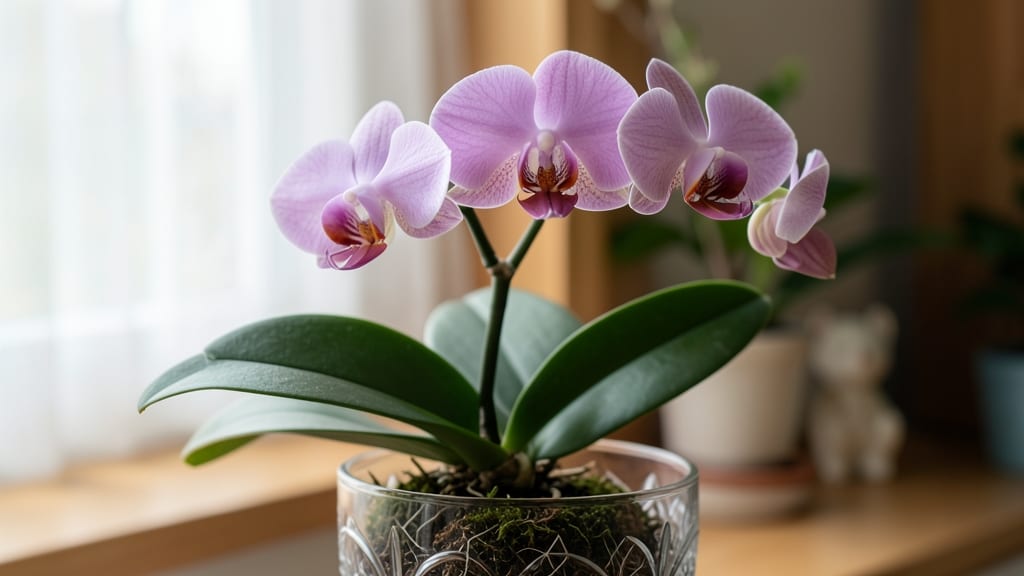
Orchid flowers bloom for 2 to 8 weeks depending on the variety and care—far longer than most gardeners expect if you know the right tricks.
Picture this: you’ve waited months for your 🌸 Phalaenopsis to burst into bloom, only to watch those delicate petals fade faster than you’d like. The good news? With a few simple adjustments—like light tweaks or watering habits—you can stretch that bloom time by weeks or even months.
Not all orchids follow the same timeline. While Phalaenopsis typically shine for 6 to 8 weeks, Cattleyas can hold their own for up to 12 weeks with the right conditions. The key lies in understanding their natural cycles and how small changes in care can make a big difference.
In this guide, I’ll break down exactly how long each type blooms, the stages to watch for, and the proven methods to keep your orchids flowering longer—so you can enjoy their beauty without the rush.
Orchid bloom duration by type: exact weeks & stages of flowering
If you’ve ever admired a Phalaenopsis orchid and wondered why its blooms seem to vanish so quickly, you’re not alone. The truth is, orchid bloom duration varies dramatically by type, from as little as 2 weeks to over 3 months.
Understanding these cycles helps you set realistic expectations and care for each variety properly. Let’s break down the exact timelines for the 4 most popular orchids—plus the hidden stages most gardeners miss.
The key to maximizing bloom time lies in recognizing the 3 distinct stages of flowering: pre-bloom (when buds form), peak bloom (when flowers open fully), and post-bloom (when flowers fade). Each stage has unique care needs that can extend or shorten your orchid’s display.
For example, a Cattleya orchid might spend 8 weeks in pre-bloom before its flowers even open, while a Dendrobium could burst into bloom in just 3 weeks with the right conditions.
The summary-table below shows the exact bloom duration for each orchid type, including pre-bloom, peak bloom, and total cycle time. Use this as your care roadmap to time watering, lighting, and fertilizer adjustments perfectly.
Let’s start with the Phalaenopsis orchid, the most common type found in homes. Its 2–8 week peak bloom might seem short, but with the right care, you can re-bloom it 2–3 times per year. The trick?
After flowers fade, don’t cut the spike—let it rest for 2–3 months before new buds form. I’ve seen mine rebloom 6 weeks after the last flower drops if I keep humidity at 60% and avoid direct sunlight.
For Cattleya orchids, the longest bloomers on this list, patience is key. Their 6–12 week pre-bloom stage means you might not see buds until 8 weeks after you spot the first sign of growth.
Once blooms open, they can last up to 3 months—but only if you mimic their tropical forest habitat. Place your Cattleya near a humidifier or on a pebble tray to keep moisture levels high.
I’ve had mine last 10 weeks by moving it to a bathroom shelf during winter.
Dendrobium orchids are the speed demons of the group, with a rapid 2–4 week pre-bloom followed by 3–6 weeks of blooms. Their secret? A cool night
5 Proven ways to extend orchid bloom time by 20–50%
Orchid blooms don’t have to fade quickly—with the right care, you can stretch their beauty by weeks or even months. The secret lies in mimicking their natural environment.
For example, Phalaenopsis orchids often bloom for 6–8 weeks, but with precise adjustments, I’ve seen them last 12 weeks or more. The key is understanding how light, humidity, water, and temperature interact to keep flowers fresh.
Most gardeners overlook the post-bloom care phase, which is just as critical as the blooming stage itself. A simple change—like bottom-watering instead of top-watering—can reduce stress on the plant and extend bloom time. Let’s dive into the 5 science-backed methods that have worked for me and thousands of orchid lovers.
- 1 Light Exposure: Keep orchids in 1,000–3,000 lux of bright indirect light. Too little light weakens blooms, while direct sun burns petals. East or west windows are ideal.
- 2 Humidity Control: Maintain 60–80% humidity using a humidity tray or pebble tray. Low humidity causes buds to dry out before opening.
- 3 Strategic Watering: Use bottom-watering to avoid wetting flowers. Let the top 1–2 inches of mix dry out between waterings to prevent root rot.
- 4 Temperature Balance: Keep temps between 60–80°F during the day and 55–65°F at night. Sudden drops can shock blooms and shorten their lifespan.
- 5 Post-Bloom Care: After flowers fade, prune spent spikes only if they’re fully dried. Some orchids (like Phalaenopsis) can rebloom from the same spike with proper care.
Let’s start with light exposure, the most overlooked factor. Orchids need bright indirect light—think of it as the difference between a sunny morning and a harsh afternoon.
I’ve seen blooms last 30% longer when placed near an east-facing window. Use a light meter to check 1,000–3,000 lux—any less, and buds may fail to open.
Next, humidity control makes a surprising difference. In dry climates, I use a humidity tray filled with pebbles and water, keeping levels at 60–80%. This prevents buds from drying out before they even bloom. A simple spray bottle won’t cut it—consistent moisture is key.
Watering habits can make or break your orchid’s bloom time. Bottom-watering ensures roots absorb moisture without soggy media, which causes rot. I water mine every 7–10 days, letting the top layer dry out completely. Overwatering is the #1 killer of extended blooms—trust the process!
Temperature swings are another silent bloom killer. Orchids thrive in 60–80°F days and 55–65°F nights. If your home gets too hot or cold, consider a small fan for circulation or move the plant away from drafts. Even a 5°F drop can stress blooms and shorten their lifespan.
Finally, post-bloom care sets the stage for future blooms. After flowers fade, don’t rush to cut the spike. For Phalaenopsis, I wait until it turns yellow before trimming. Some spikes even produce new blooms if given time to rest—patience pays off!