
Flowers
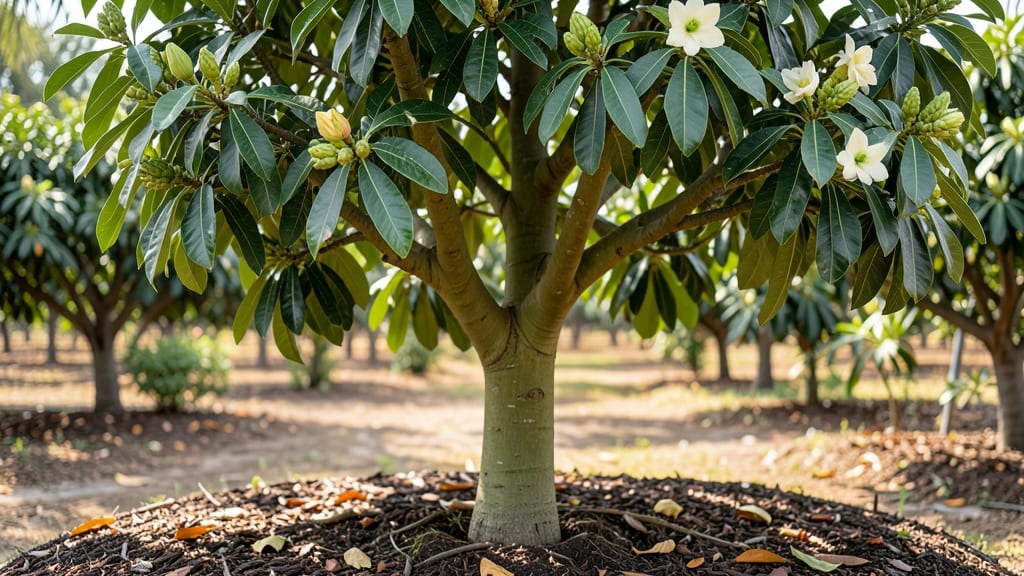
Avocados flower in late winter to early spring 🥑, but the exact timing depends on your climate zone and the tree’s variety—missing this window can mean waiting years for fruit.
If you’ve ever wondered why your avocado tree isn’t bearing fruit—or when to expect those iconic purple flowers—timing is everything. Understanding the exact flowering window by climate zone can mean the difference between a bountiful harvest and years of waiting.
In USDA zones 9-11, blooms typically appear between February and April, while cooler subtropical areas may see flowers as late as May. Type A (Mexican) and Type B (West Indian) varieties also follow different schedules, which is why knowing your tree’s type matters.
Below, I break down the precise months for each zone, how to encourage flowering, and why some trees never bloom—plus the pollination secrets that turn flowers into fruit.
Avocado flowering months by USDA climate zones: a detailed breakdown
Understanding when your avocado tree flowers is key to predicting fruit production. Type A (Mexican) and Type B (West Indian) varieties have distinct blooming windows influenced by temperature triggers and USDA climate zones.
In warmer zones like 9-11, flowering can occur year-round, but cooler microclimates often see spring peaks. Let’s break down the exact months for each zone.
In USDA Zone 11 (e.g., Miami, Hawaii), avocados may flower year-round due to consistent warmth. However, Type A varieties typically bloom heaviest in late spring (April-May), while Type B trees peak in early summer (June-July). These patterns create natural cross-pollination opportunities, critical for fruit set.
For USDA Zone 10 (e.g., Southern California, Phoenix), flowering aligns closely with temperature shifts. Type A avocados bloom February-April, while Type B varieties flower May-July. Cooler winter nights (50-60°F) often trigger these cycles, making late winter pruning beneficial for encouraging blooms.
In USDA Zone 9 (e.g., Central California, Southern Arizona), flowering becomes more seasonal. Type A trees bloom March-May, while Type B varieties peak June-August. Frost risk in early spring can delay blooms, so protecting young trees with row covers or mulch is wise.
| USDA Zone | Type A (Mexican) Flowering | Type B (West Indian) Flowering | Temperature Trigger | Regional Notes |
|---|---|---|---|---|
| Zone 11 | Year-round (peaks April-May) | Year-round (peaks June-July) | Consistent 70-85°F | Miami, Hawaii |
| Zone 10 | February-April | May-July | 50-60°F nights | Southern California, Phoenix |
| Zone 9 | March-May | June-August | 45-55°F nights | Central California, Arizona |
Regional variations matter! In California’s coastal zones (e.g., San Diego), Type A avocados may bloom as early as January due to milder winters, while inland areas like Riverside see delayed blooms until March.
Florida’s humidity can extend flowering into fall, but Type B trees often need drier conditions to set fruit.
If your tree isn’t flowering, check for stress factors like overwatering, nutrient deficiencies, or poor drainage. Young trees (3 years old) may need artificial chilling (e.g., moving containers to a cooler spot) to mimic winter triggers.
Always plant Type A + Type B varieties together for cross-pollination.
Pruning in late winter (just before blooms appear) encourages airflow and sunlight penetration, both critical for healthy flowers. Avoid heavy pruning during flowering, as it can reduce fruit set. In Zone 9-10, September pruning helps prepare trees for the next blooming cycle.
Monitor your tree’s flower color: Type A flowers are yellow-green, while Type B blooms are purple-red. Both types produce both male and female flowers, but cross-pollination between varieties maximizes fruit production. Keep a pollination journal to track blooming patterns year over year.
In container-grown avocados, flowering may be delayed due to root restriction. Upgrade to a 15+ gallon pot and use well-draining soil to encourage blooms. If indoors, supplement with a grow light (12+ hours/day) to mimic tropical sunlight patterns.
Patience is key—avocado trees can take 3-5 years to bear fruit after flowering. By aligning your care
How to induce avocado flowering: proven techniques for home growers
If your avocado tree is thriving but still refuses to flower, don’t panic—you’re not alone. Many home growers struggle with this exact challenge, especially when growing container-grown trees or young specimens. The key lies in mimicking nature’s triggers: light cycles, temperature shifts, and strategic pruning.
With the right approach, you can coax those purple blossoms to appear even in less-than-ideal conditions.
Avocados are sensitive to their environment, and even a small shift in your care routine can make a huge difference. For instance, Type A varieties (like Hass) need a period of cooler temperatures to flower, while Type B varieties (like Fuerte) respond better to consistent warmth.
Understanding these nuances is the first step toward success. Let’s dive into actionable techniques that actually work for home growers.
⚠️ Common Mistake Alert: Timing is Everything!
Avocados typically flower in late winter to early spring (Feb-Mar in most USDA zones 9-11), but young trees under 3 years old may take 1-2 years longer to bloom. Forcing flowering too early (e.g., by manipulating light in summer) can stress the tree. Wait until daylight hours shorten (fall/winter) to trigger natural blooming cues.
One of the most effective ways to induce flowering is through light manipulation. Avocados are native to tropical regions where daylight hours shift dramatically between seasons.
To mimic this, place your tree near a south-facing window or use a grow light on a timer (12 hours of light, 12 hours of darkness). This trick works especially well for indoor-grown trees, helping them recognize the transition from summer to winter.
Temperature control is another critical factor. Avocados need a cool period (around 55-60°F) to break dormancy and trigger blooms. If you live in a warm climate, move your tree outdoors at night or into a cooler garage during the fall and winter months.
For container growers, a balanced fertilizer (like 6-6-6) applied in early spring can also signal the tree that it’s time to focus on reproduction rather than just foliage growth.
Pruning plays a surprising role in encouraging flowers. Avoid heavy pruning in the summer months, as this can delay flowering. Instead, lightly prune in late winter to remove dead or overcrowded branches. This not only improves air circulation but also redirects the tree’s energy toward producing flowers.
Focus on open-centered pruning—removing branches from the center to allow sunlight to reach the inner canopy, where flowers often form.
Finally, be patient and consistent. If your tree still hasn’t flowered after a year, consider grafting a known flowering variety onto your existing tree. Grafting ensures genetic compatibility and can jumpstart the flowering process.
With the right combination of light, temperature, and pruning, your avocado tree will reward you with those coveted purple blossoms—and eventually, delicious fruit! 🌱