
Flowers
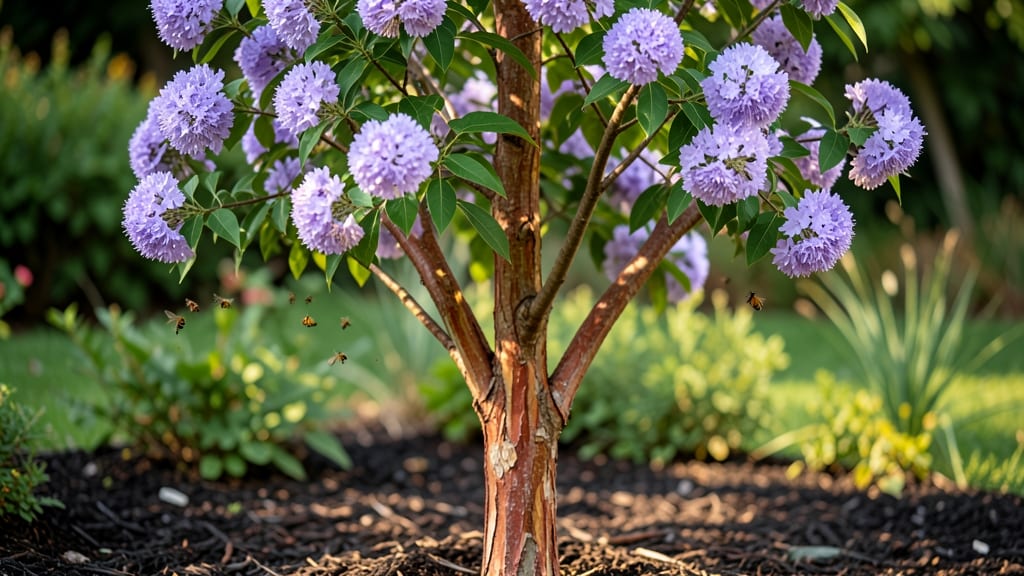
A tree with little purple flowers can transform your garden into a fragrant spring paradise, and the lilac 🌸 is the undisputed star of the show.
If you're dreaming of a fragrant spring garden filled with delicate purple blooms, the lilac bush could be your perfect match—but only if you know how to care for it properly. These iconic shrubs aren’t just beautiful; they’re low-maintenance powerhouses that attract pollinators and fill the air with intoxicating scents.
With the right placement in full sun and a little seasonal attention, your lilac will reward you with vibrant purple clusters year after year. Whether you’re planting one as a statement piece or lining a border, this versatile shrub brings both color and charm to any landscape.
Below, I’ll walk you through selecting the best varieties, mastering care basics, and even extending that bloom time so your garden stays purple longer. Let’s get started!
How to identify and select the best lilac varieties for purple flowers
Not all lilacs produce those dreamy purple blooms—or the same fragrance intensity. If you're hunting for the best lilac varieties with rich purple flowers, you'll want to focus on Syringa vulgaris and its hybrids, which dominate the purple spectrum.
These deciduous shrubs thrive in zones 3-8 and can reach heights of 8-15 feet, making them perfect focal points in your garden.
One of the first decisions is choosing between common lilacs (Syringa vulgaris) and dwarf varieties like Syringa meyeri. The latter offers compact growth (3-5 feet) while still delivering fragrant purple blooms.
For example, the 'Dwarf Korean Lilac' (Syringa meyeri) blooms earlier and handles urban pollution better than its larger cousins.
Timing matters too. Most purple lilacs bloom in late spring (May), but some varieties like 'Katherine Havemeyer' push blooms into early June. If you want a longer flowering season, consider repeat-blooming hybrids like 'Bloomerang', which produces second flushes of purple in fall.
🚨 NON-NEGOTIABLE: Your climate dictates your best choice. Southern gardeners should opt for heat-tolerant varieties like 'Miss Kim', while northerners thrive with 'President Lincoln'—a classic with deep purple and intense fragrance.
For maximum purple impact, pair your lilac with complementary plants like clematis (for vertical contrast) or lavender (to enhance fragrance). The 'Dwarf Korean Lilac' works beautifully in container gardens, while 'President Lincoln' makes a stunning backyard specimen when planted near patios.
If you're in a warmer climate (zones 8-9), consider late-blooming varieties like 'Charles Joly', which thrives in heat and humidity while still producing vibrant purple. Just avoid planting in waterlogged soil—lilacs hate soggy roots and will decline quickly if drainage is poor.
Pro tip: Prune lilacs immediately after blooming to encourage next year’s purple flower production. Cut back old wood to stimulate new growth, but never prune after mid-summer—this removes next year’s flower buds. For dwarf varieties, a light shape-up pruning in early spring suffices.
🌸 Fragrance note: The strongest-scented lilacs are often the oldest varieties. If you love that classic grandma’s garden aroma, 'President Lincoln' and 'Sensation' (a deep purple hybrid) are your best bets. Modern hybrids like 'Bloomerang' prioritize reblooming over fragrance, so choose based on your priorities.
For urban gardeners, air-purifying lilacs like 'Miss Kim' are ideal—they tolerate pollution and compact spaces while still delivering purple blooms. Plant hers near windows or walkways to enjoy the fragrance up close. Just ensure she gets <
Step-by-step lilac bush care guide for healthy purple blooms
Your tree with little purple flowers thrives with the right care routine. Lilacs are forgiving but reward precise attention—especially when it comes to planting depth, watering consistency, and seasonal pruning.
Unlike fussy ornamentals, they flourish with minimal fuss once established, but those vibrant purple blooms depend on a few key habits.
First, let’s tackle the foundation: planting location. Lilacs demand full sun exposure (6+ hours daily) and well-draining soil. If your yard has heavy clay, amend with compost to prevent root rot—a common killer of struggling lilacs.
The best time to plant is in early spring or fall, when temperatures are mild and roots can establish without stress.
Dig a hole twice as wide as the root ball but no deeper. Place the lilac so the top of the root ball sits 1-2 inches above ground level—this prevents waterlogging. Backfill with native soil mixed with compost, then water deeply to settle roots.
Water deeply once a week (2000ml per mature bush) during the first growing season. After establishment, reduce to every 10-14 days—lilacs hate soggy roots but tolerate drought once mature. Always water in the morning to reduce fungal risks.
Feed with a balanced 10-10-10 fertilizer in early spring (when buds swell) and lightly in summer (after blooming). Skip fall/winter feeding—lilacs need dormancy to rebloom. Use 1 cup per 10 sq ft and water in immediately.
Prune right after blooming (late spring) to shape the bush and remove dead or crossing branches. For older lilacs, prune 1/3 of oldest stems at the base to rejuvenate growth. Never prune in fall or winter—this cuts off next year’s flower buds!
Pruning is where many gardeners trip up. If you prune too late (after July), you’ll sacrifice next year’s purple blooms because lilacs set buds on the previous year’s growth. Always use clean, sharp shears to avoid tearing bark, and disinfect tools between cuts to prevent disease spread.
For established bushes, focus on opening the center for airflow—this reduces mildew and encourages denser blooming.
Reviving a struggling lilac starts with diagnosing the issue. Yellow leaves often signal overwatering or poor drainage, while no blooms usually means insufficient sunlight or over-fertilizing.
If your lilac looks sad, give it a deep watering, a light pruning to remove dead wood, and a layer of mulch (2-3 inches) to protect roots. Most lilacs bounce back quickly with these adjustments.
For extra-vibrant purple blooms, pair your lilac with complementary plants like crocuses (for early spring color) or lavender (to extend the fragrance season). These pairings create a layered, pollinator-friendly garden that stays stunning from March through June.
With these care steps, your lilac will become the fragrant centerpiece of your landscape for decades.