
Flowers
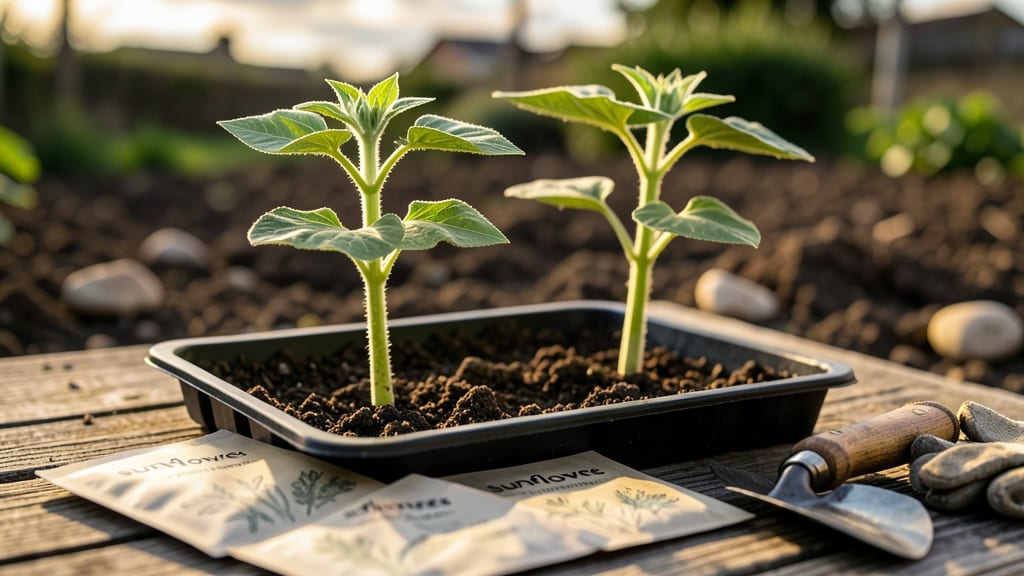
Plant sunflowers in Tennessee after your last frost date, typically between mid-April and mid-June for the best results, when soil temperatures reach at least 55°F.
Sunflowers bring vibrant color and effortless beauty to Tennessee gardens—but planting them at the wrong time can leave you with wilted stems instead of towering blooms. Timing matters, especially in Tennessee’s diverse climate zones, where heat tolerance and frost risks vary dramatically.
In USDA Zones 6a-7b, like much of Tennessee, sunflowers thrive when planted after the last frost, giving them 90-120 days of warm weather to mature. Whether you're in Nashville, Chattanooga, or Memphis, knowing your local frost dates and soil conditions is key to avoiding stunted growth.
Below, I’ll break down the exact planting windows for your region, tips for starting seeds indoors vs. direct sowing, and how to adjust for Tennessee’s summer heat. You’ll learn how to maximize those 10-foot-tall stems and vibrant blooms every time.
Tennessee planting zones for sunflowers: when to start seeds by region
Tennessee’s diverse climate—spanning USDA Zones 6a-7b—means sunflower planting times vary dramatically from East Tennessee’s cooler highlands to West Tennessee’s hotter valleys. In Zone 6a (e.g., Bristol), frost lingers until mid-April, while Zone 7b (e.g., Memphis) sees last frosts by early March.
The key? Plant after your region’s average last frost date but before summer’s oppressive heat stunts growth.
Sunflowers thrive in Tennessee’s long, sunny summers, but late spring planting risks bolting (premature flowering) from heat stress. For optimal blooms, aim to sow seeds 4-6 weeks before your area’s first frost—typically mid-April to early June.
This gives plants 90-120 days to mature before fall’s chill sets in.
Here’s how to adapt timing by region:
For Nashville (Zone 7a), I recommend starting seeds indoors by late March to transplant outdoors after April 15. This head-start ensures robust growth before June’s scorching heat arrives.
In Memphis (Zone 7b), you can sow directly outdoors as early as March 15, but use shade cloth if temperatures exceed 85°F.
Chattanooga’s Zone 7a microclimates demand caution: Plant hillside gardens first (warmer microclimates) in early April, then valley areas by mid-April. Use soil thermometers—sunflowers need soil temps of 55°F+ to germinate. If your soil is cooler, wait or use black plastic mulch to warm it faster.
Direct sowing is easiest, but indoor starts work well for tall varieties like ‘Mammoth Russian’ (12+ ft). Sow seeds ½ inch deep in biodegradable pots, then transplant after hardening off (10 days of outdoor acclimation). Avoid transplant shock by watering deeply before and after moving plants outdoors.
In drought-prone areas (e.g., West Tennessee), mulch with straw or wood chips to retain moisture. Sunflowers are drought-tolerant once established, but young seedlings need consistent watering (1 inch per week). Let soil dry slightly between waterings to prevent root rot.
For late summer blooms, try a second planting in July (especially in Zone 7b). Choose fast-maturing varieties like ‘Teddy Bear’ (45 days) to harvest seeds before frost. Just beware: July heat can cause bolting—plants shooting up too fast with small flowers.
Pro tip: Mark your last frost date on your calendar and count back 90 days for your first planting window. Tennessee’s long growing season (180–210 frost-free days) gives you two planting opportunities: spring and late summer.
Start early for tall varieties, late for dwarf types like ‘Sunspot’ (3 ft).
🌻
Heat tolerance secrets: how Tennessee’s summer affects sunflower growth
Tennessee’s summers can be a double-edged sword for sunflowers—too much heat too soon causes heat stress, while late planting may leave you with stunted blooms before frost.
The key lies in understanding your microclimate and adjusting planting times to match Tennessee’s 90°F+ heat waves, which often arrive by mid-June.
Sunflowers are surprisingly resilient, but their germination and early growth stages (first 30 days) are most vulnerable. Planting too early in Zone 6a (East Tennessee) risks frost damage, while late planting in Zone 7b (West Tennessee) may lead to premature wilting before seed maturity.
⚠️ callout-warning ⚠️
Planting sunflowers in Tennessee after mid-June risks heat stress during critical growth stages. The 30-50°F soil temperature drop between day and night in summer can confuse young plants, leading to stunted stems or blind flowering (no seed heads).
Solution: Aim for late April to early June planting in most of Tennessee. For high-humidity areas (like Memphis), choose drought-tolerant varieties like 'Autumn Beauty' or 'ProCut.'
Not all sunflower varieties handle Tennessee’s humidity and heat equally. Dwarf varieties (like 'Teddy Bear') mature faster (60-70 days) and tolerate heat better than giant varieties (like 'Mammoth'), which need consistent moisture during their 120-day growth cycle.
For West Tennessee’s drought-prone areas, opt for short-season hybrids that bolt quickly.
Watering schedules make all the difference in Tennessee’s heat. Young sunflowers need 1-2 gallons of water every 2-3 days during peak summer months (June-August). A deep watering in the early morning (before 8 AM) prevents fungal diseases while keeping roots cool.
Once established, sunflowers are drought-tolerant, but wilting leaves or drooping stems signal it’s time to water.
Watch for heat stress signs: yellowing leaves, curled petals, or premature flowering (small, underdeveloped blooms). These indicate your sunflowers are struggling with high temperatures (>95°F) or low humidity. Providing light shade cloth (30-50%) during afternoon heat waves can buy time for young plants to establish deeper roots.
For East Tennessee’s cooler microclimates (like the Smoky Mountains), you can push planting into early July for fall blooms, but avoid planting after August 15—seed heads won’t mature before frost.
In West Tennessee’s hotter zones, focus on spring planting (March-April) for summer blooms, then let volunteer sunflowers reseed for next year’s garden.