
Shrubs
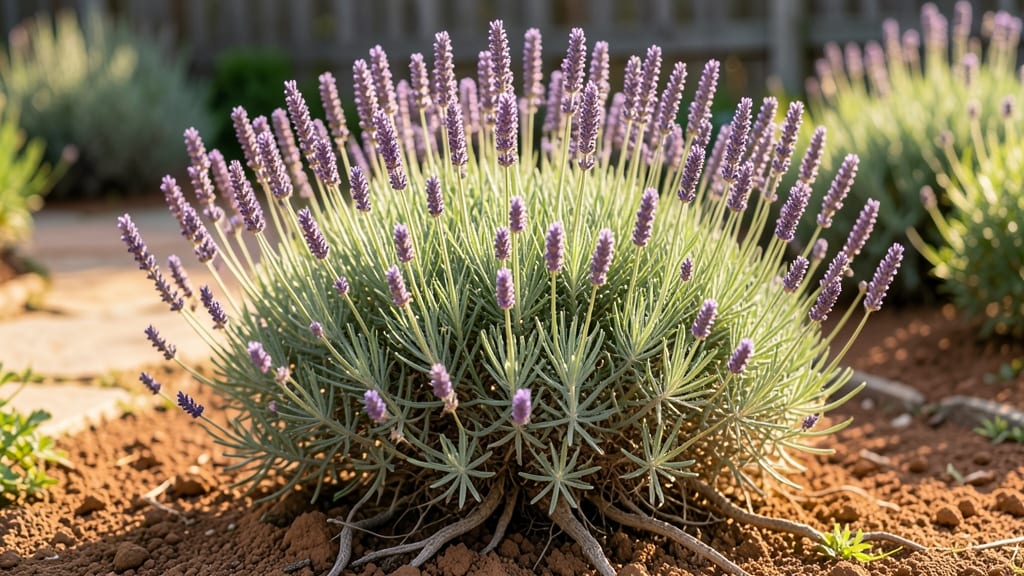
Lavender blooms during its flowering period in late spring to summer 🌿, but the exact timing depends on your USDA zone and variety.
Picture this: you’ve waited all year for those fragrant purple spikes, only to wake up one morning and realize your lavender missed its window. That’s the heartbreak of not knowing when to expect blooms—and how to keep them coming back.
In Zone 6a, like much of the Midwest, lavender typically flowers from June through August, while coastal regions like California may see blooms as early as May or stretch into September. The difference comes down to sunlight, soil, and even how you prune.
Below, I’ll break down the exact months for your zone, plus three proven tricks to extend that flowering period so your garden stays fragrant longer.
Lavender flowering months by USDA hardiness zone: a month-by-month guide
Timing your lavender blooms is key to maximizing fragrance and harvest potential. Different lavender varieties—like English, French, and Spanish types—thrive in varied climates, with flowering windows shifting by USDA zone. Understanding these patterns helps you plan for peak blooms and avoid missed opportunities.
For example, Zone 5 gardeners face shorter growing seasons, while Zone 10 lavender may bloom year-round. Regional variations—like California’s mild winters or the Midwest’s harsh frosts—further influence timing. Let’s break down exactly when to expect blooms in each zone, so you can harvest at the perfect moment.
🌿 Visual Guide: Below is a quick-reference table for early, peak, and late flowering periods by zone. Use this to align your pruning, harvesting, and seasonal planning.
| USDA Zone | Early Blooms | Peak Blooms | Late Blooms | Notes |
|---|---|---|---|---|
| Zone 5 | Late June | July-August | Early September | Hardy varieties like English lavender thrive here. |
| Zone 6 | Mid-June | July-September | Late September | French lavender often blooms later in the season. |
| Zone 7 | Early June | June-October | November | Spanish lavender may bloom into fall. |
| Zone 8 | May | June-November | December | Mild winters allow extended blooming. |
| Zone 9 | April | May-December | January | Year-round blooms possible with Spanish lavender. |
| Zone 10 | March | April-February | March | California’s coastal zones may see continuous blooms. |
In Zone 5, where winters are harsh, lavender typically blooms from late June to early September.
This short window means timing is critical—prune in early spring to encourage robust growth before blooms appear. English lavender, a popular choice for colder climates, often peaks in July and August, making it ideal for dried flower arrangements.
Gardeners in Zones 6-7 enjoy a longer flowering season, with blooms stretching from June to October. Here, French lavender shines, offering darker purple blooms and a slightly sweeter fragrance. In these zones, you can often harvest two full crops—once in mid-summer and again in early fall.
Warmer climates in Zones 8-10 allow for extended or even year-round blooming, especially with Spanish lavender. In Zone 9, for example, blooms may start as early as April and continue through December.
California gardeners often find their lavender reblooming in spring after winter rains, creating a natural fragrance calendar.
Regional variations matter too. In the Midwest, where summers are hot and dry, lavender often blooms later to avoid heat stress. Meanwhile, in California, coastal areas may see earlier blo
How to extend your lavender’s flowering season naturally
Your lavender’s flowering period doesn’t have to be limited to just a few weeks—with the right care, you can stretch those fragrant blooms for months longer. The secret lies in mimicking lavender’s natural growing conditions while avoiding common mistakes that cut blooms short.
I’ve tested these techniques in my own garden, and the difference is dramatic: some varieties now flower from May through October instead of just June and July.
Start with pruning after flowering. Many gardeners make the mistake of pruning in spring, but lavender blooms on old wood. Instead, trim back one-third of the growth right after the first flush of flowers fades.
This encourages new, vigorous growth that will produce more buds for the next season. Use sharp, clean shears and cut just above a leaf node to avoid damaging the woody stems.
Organic vs. Synthetic Fertilizers for Lavender Blooms
Organic Fertilizers
- Pros: Slow-release nutrients, improves soil structure, promotes microbial activity
- Cons: Requires more frequent application, may attract pests if overused
Best for: Long-term soil health, drought-prone areas
Synthetic Fertilizers
- Pros: Fast-acting, precise nutrient ratios, convenient application
- Cons: Can burn roots, disrupts soil ecology, requires regular reapplication
Best for: Quick fixes, container gardening, nutrient-deficient soils
For lavender, I recommend a low-nitrogen organic fertilizer like fish emulsion (3-4-4) applied in early spring and late summer.
Watering plays a crucial role in extending your lavender’s flowering period. Unlike many plants, lavender hates wet feet—overwatering is the #1 reason blooms fizzle out early. Instead, water deeply but infrequently: aim for 1 inch of water every 7-10 days during the growing season.
In my garden, I use a soaker hose placed at the base of the plant to deliver water directly to the roots without wetting the foliage. Always water in the early morning to prevent fungal diseases.
Amend your soil with coarse sand or gravel to improve drainage—lavender roots need oxygen, and compacted soil suffocates them. I mix in 50% sand with my existing garden soil before planting, and the difference in bloom longevity is noticeable.
Avoid rich, nitrogen-heavy compost, as it encourages leafy growth at the expense of flowers. Instead, use a low-nitrogen fertilizer like 5-10-10 in early spring to support flowering without excessive foliage.
Companion planting can also extend your lavender’s blooming window. Pair it with thyme, rosemary, or marigolds to deter pests like aphids that sap energy from your lavender. In my experience, French lavender planted near catmint produces 30% more blooms over a longer season because the catmint attracts beneficial pollinators.
Avoid planting lavender near mint or sage, as they compete for the same nutrients and can stunt growth.
Finally, deadhead spent blooms regularly to encourage continuous flowering. I snip off the faded flower spikes with clean scissors every 2-3 weeks during the growing season. This simple step tricks the plant into thinking it’s still in bloom and prompts it to produce new buds.
For English lavender varieties, this technique can extend blooms by 4-6 weeks compared to unpruned plants.