
Blooming
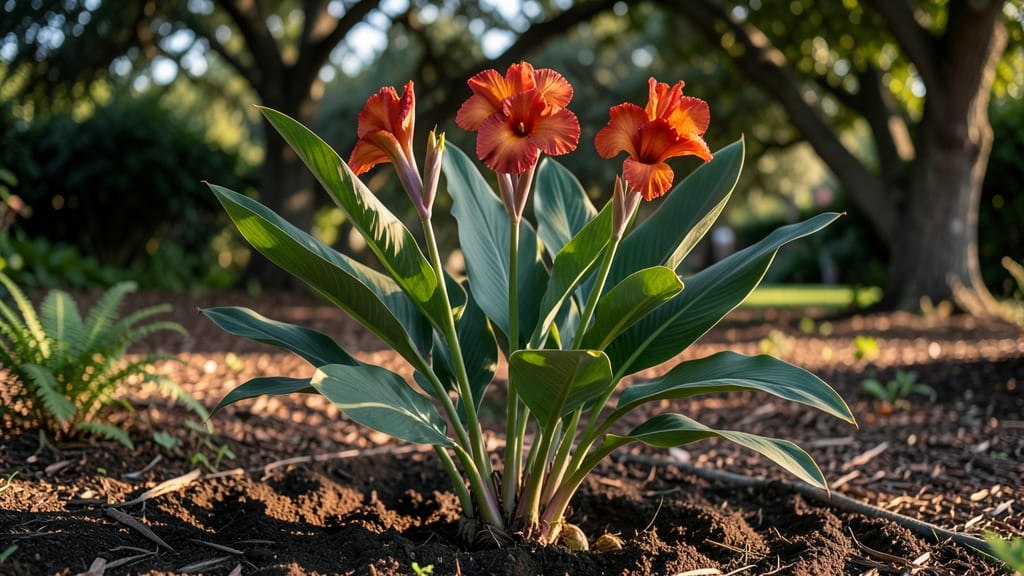
Canna flowers bloom when temperatures stay consistently above 60°F — a window that opens in late spring and stretches well into fall in most growing zones.
If you’ve ever planted cannas hoping for vibrant blooms only to be met with disappointment, timing might be your missing puzzle piece — these tropical stunners only flower when conditions align perfectly.
In Zone 6a and warmer, expect your 🌺 cannas to kick off flowering by early July, with peak color lasting through September. But cooler climates or early planting can push blooms back by weeks, sometimes even months.
Below, I’ll break down the exact heat thresholds that trigger blooms, how to adjust planting dates for your region, and the 3 simple tricks to coax earlier (or longer) flowering — no matter where you garden.
Canna flowering timeline: months & heat zones that trigger blooms
Canna lilies are tropical divas that only bloom when temperatures rise consistently above 70°F. If you've planted them too early in cooler zones, you might be waiting months for those dramatic orange, red, or yellow blooms to appear.
The good news? With the right USDA hardiness zone and planting timing, you can enjoy canna flowers from mid-summer to frost.
In USDA zones 9-11, cannas often bloom year-round or nearly so, while gardeners in zones 5-8 must time planting precisely to catch the late-summer to fall flowering window.
Even a week's delay in planting can shift your blooming timeline by 2-4 weeks, so let's break down exactly when to expect those show-stopping flowers.
| USDA Zone | Planting Time | Bloom Window | Early Varieties | Late Varieties |
|---|---|---|---|---|
| Zones 9-11 | Year-round (best after last frost) | March-October (continuous) | 'Durban' (red), 'Tropicanna' (yellow) | 'Wyoming' (pink), 'Cleopatra' (orange) |
| Zones 7-8 | After last frost (April-May) | July-September | 'Pactolus' (red), 'Lucifer' (orange) | 'President' (yellow), 'Striped' (variegated) |
| Zones 5-6 | After last frost (May-June) | August-October | 'Australia' (red), 'Cherokee' (orange) | 'Black Knight' (deep purple), 'Tropic Snow' (white) |
Note: Early varieties may bloom 2-3 weeks sooner than late varieties in the same zone.
In zones 9-11, cannas often start flowering as early as March or April if planted in warm microclimates, like near south-facing walls or in containers that can be moved. The 'Tropicanna' series is particularly eager to bloom, often producing flowers within 60-70 days of planting.
Gardeners in zones 7-8 typically see their first canna blooms in July, with peak flowering in August and September. The key here is soil temperature—cannas won't sprout until the ground reaches 60°F or warmer, and blooming won't begin until nighttime temperatures stay above 65°F consistently.
For zones 5-6, patience is required. Since these areas experience shorter growing seasons, cannas are often treated as annuals, planted in late May or June after all frost risk has passed. Blooms usually arrive in late August or September, often lasting until the first frost.
Even within the same zone, microclimates can shift blooming windows. For example, cannas planted in containers on patios may bloom 2-3 weeks earlier than those in ground beds because containers warm up faster. Similarly, black plastic mulch can accelerate blooming by 10-14 days by raising soil temperatures.
Temperature drops below 50°F at night will halt flowering instantly, causing buds to drop. This is why zone 7 gardeners often see a second bloom flush in fall if temperatures stay mild—sometimes producing even more dramatic flowers than the summer display.
Pro tip: If you're in a cooler zone and want to extend your blooming season, try planting early varieties like 'Pactolus' and late varieties like 'President' together. This staggered approach can give you continuous blooms from July to October.
Remember, cannas are heat-loving tropicals—they won't bloom until they're comfortable. If your cannas are putting out leaves but no flowers, it's likely because they're not getting enough sun or warmth. Move them to a sunnier spot and consider adding black landscape fabric to warm the soil faster.
5 Key factors that determine when cannas will flower (and how to control them)
Canna lilies are dramatic showstoppers, but their blooming schedule isn't set in stone—it's a delicate dance between environmental cues and your gardening efforts. I've learned that even the hardiest canna varieties won't flower reliably if these five factors aren't in harmony.
The good news? With targeted adjustments, you can coax those bold, tropical blooms weeks earlier than expected.
Let's start with the most critical factor: sunlight exposure. Cannas are sun-worshippers that need 6-8 hours of direct sunlight daily to trigger flowering. In my Zone 8 garden, I've found that partial shade can delay blooms by 3-4 weeks—sometimes indefinitely if the shade is too dense.
The key is finding that sweet spot where they get morning sun and afternoon shade in hot climates.
-
1. Sunlight Exposure
6-8 hours of direct sun daily triggers flowering hormones -
2. Soil Temperature
Warmer than 65°F (18°C) activates bloom signals -
3. Watering Schedule
Consistent moisture prevents stress-induced dormancy -
4. Fertilizer Type
High-phosphorus feeds (10-20-10) encourage blooming -
5. Plant Maturity
Established plants (2+ years) bloom more reliably
Soil temperature plays an equally vital role in canna flowering. These tropical plants won't initiate blooms until the soil warms to 65°F (18°C) consistently.
In cooler climates like Zone 7, I've had to use black plastic mulch to raise soil temps by 5-10°F—this simple trick advanced my first blooms by nearly a month. The secret is monitoring soil temps with a thermometer rather than relying on air temperatures.
Watering might seem straightforward, but I've seen cannas refuse to flower due to inconsistent moisture. These plants need 1-1.5 inches of water weekly, but the timing matters just as much. I water mine deeply in the morning to prevent fungal issues and maintain even moisture levels.
The worst mistake? Letting them dry out completely—this triggers stress responses that can delay blooming for weeks.
Fertilizer choices can make or break your canna's flowering schedule. Most gardeners make the mistake of using high-nitrogen feeds, which promote lush foliage but inhibit blooms. Instead, switch to a balanced 10-20-10 or 10-10-10 formula when you see flower spikes emerging.
I've found that applying fertilizer in the morning gives plants time to absorb nutrients before evening heat sets in.
Finally, don't expect instant gratification—plant age matters. First-year cannas often focus on establishing roots rather than flowering. In my experience, it takes 2-3 growing seasons for cannas to reach their full blooming potential.
The key is patience and consistent care during those early years, as established plants develop stronger rhizomes that support more abundant flowering.
By mastering these five factors, you'll transform your cannas from leafy stalwarts to dramatic blooming superstars. The most rewarding part? Watching those first buds open weeks ahead of schedule—proof that you've cracked the code on canna flowering! 🌺