
Shrubs
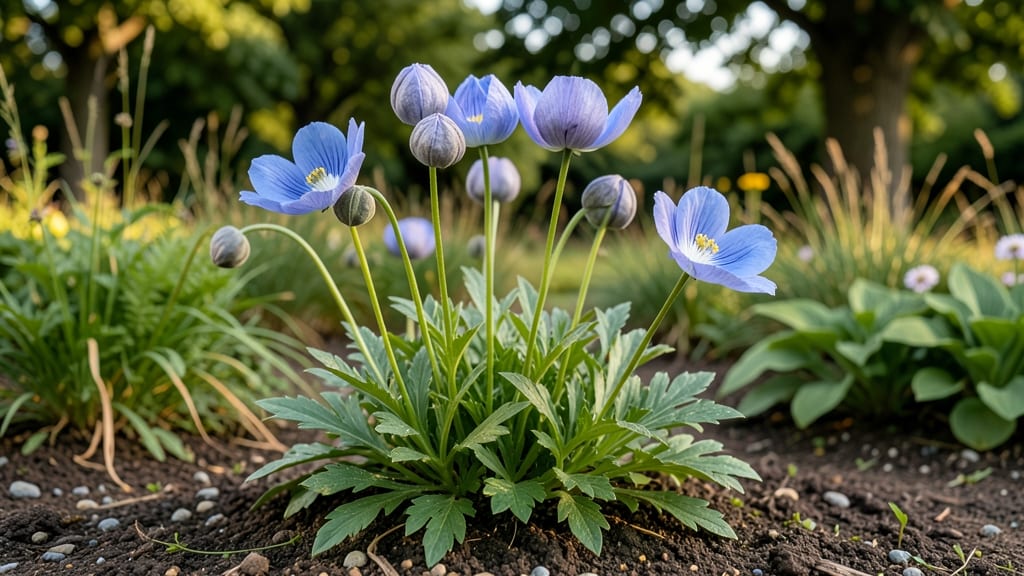
Balloon flower sun or shade success comes down to one key factor: understanding how light shapes its growth and blooms 🌸 — and I’ve learned the hard way which spots work best.
Picture this: your balloon flower planted in full afternoon sun wilts by noon, while the same variety thrives in dappled shade just a few feet away. That’s not a fluke—it’s how light affects everything from flower size to foliage health.
In this guide, I’ll break down exactly how much sun or shade your balloon flower needs, which varieties handle heat best, and how to adjust care when conditions aren’t perfect.
You’ll leave here knowing whether your garden’s brightest corner or shadiest nook is the right spot—and how to keep those iconic puffball blooms coming all season.
 Best Window Placement
Sun vs. shade requirements for balloon flower growth and bloom
The balloon flower (Platycodon grandiflorus) thrives with flexibility, but its sunlight needs directly impact flower production and plant vigor. While it tolerates partial shade, optimal blooms require 4-6 hours of morning sun.
Understanding these nuances ensures your plants reach their full 3-foot height and burst with vibrant blooms from July to September.
In full sun, varieties like 'Astra Blue' produce larger, more abundant flowers, but afternoon shade prevents wilting in hot climates. Meanwhile, shade-tolerant varieties like 'Marian' or 'White Pearl' thrive with 2-4 hours of filtered light, making them ideal for woodland gardens or under tall trees.
For full sun exposure, ensure your balloon flowers receive morning sunlight (6 AM–10 AM) to avoid afternoon heat stress. In USDA Zone 6a, this means planting on the east or slightly north-facing side of structures. Without afternoon shade, leaves may scorch, especially in July and August.
In partial shade, focus on bright, indirect light rather than deep shade. Varieties like 'Marian' produce fewer but larger blooms in these conditions, while foliage remains lush and green. Avoid dense shade, which leads to leggy growth and poor flowering.
Soil moisture plays a critical role in sun vs. shade adaptation. In full sun, water deeply every 5-7 days to encourage strong roots, while shade-grown plants need consistent moisture but may require bi-weekly watering. Use a moisture meter to check soil depth—aim for 1-2 inches of moisture.
Fertilizer needs also shift with light exposure. In sunny conditions, feed with a 5-10-10 balanced fertilizer every 4-6 weeks during spring and summer to support flower production. For shade-loving varieties, reduce feeding to every 8 weeks to prevent excess foliage at the expense of blooms.
Pruning strategies differ too. After the first frost in October, cut back dead foliage to 6 inches for sun-exposed plants, while shade varieties benefit from light pruning to maintain shape. This encourages new growth in spring and prevents overcrowding.
Watch for light-related stress signs: Yellowing leaves in full sun indicate overwatering, while pale stems in shade suggest nutrient deficiency. Adjust care immediately—mulch with compost to retain moisture in sun and add worm castings for shade plants to boost nutrients.
For container gardening, choose 10-12 inch pots with drainage holes and use a lightweight potting mix
How to adapt balloon flower care for partial sun or shade gardens
If your garden offers partial sun or shade, don’t assume your balloon flower will struggle—with the right adjustments, it can thrive! I’ve grown these beauties in morning sun with afternoon shade for years, and they’ve rewarded me with vibrant blooms and lush foliage.
The key lies in tweaking watering schedules, soil conditions, and companion plants to match your garden’s unique light.
Balloon flowers in shade-tolerant varieties like 'Marian' or 'White Pearl' handle filtered light beautifully, while others simply need seasonal light adjustments. Let’s dive into how to optimize care for your specific conditions—so your plants stay happy and blooming all season.
- 1 Watering: Increase frequency to every 5-7 days in shade—dry soil happens slower. Use morning watering to prevent fungal risks from damp foliage.
- 2 Soil: Amend with organic compost (2-3 inches) to boost nutrients. Shade-loving varieties need well-draining, slightly acidic soil (pH 6.0-7.0).
- 3 Fertilizer: Use a balanced 5-10-10 fertilizer every 4-6 weeks in spring/summer. In shade, reduce to half-strength to avoid leaf burn.
- 4 Companions: Pair with hostas or ferns to create a moisture-retentive microclimate. Avoid competing with large shrubs that steal light.
- 5 Seasonal Adjustments: Move potted balloon flowers to brighter spots in winter if natural light drops below 4 hours/day.
For partial sun gardens, focus on protecting plants from hot afternoon sun. I’ve found that mulching with straw (2-3 inches) keeps roots cool and retains moisture—critical when roots bake in direct afternoon light.
If your garden has east-facing exposure, you’re golden: morning sun fuels growth without the stress of midday heat.
Shade-tolerant varieties like 'Astra Blue' perform best with 3-4 hours of indirect light daily. If your garden only offers 2 hours or less, supplement with a grow light for 4-6 hours weekly during bloom season.
I swear by a 15W LED grow bulb on a timer—it’s made all the difference for my shady patio plants.
Don’t overlook seasonal light shifts. In winter, when daylight drops, your balloon flowers may need slightly more frequent watering (every 7-10 days) to compensate for slower soil drying. Conversely, in summer, increase shade protection if temps exceed 85°F—even shade-loving varieties can scorch.
With these tweaks, your balloon flowers will reward you with bold blooms and healthy growth, whether nestled under a tree or basking in dappled light. The secret? Pay attention to your garden’s microclimates and adjust care like a pro 🌸.