
Blooming
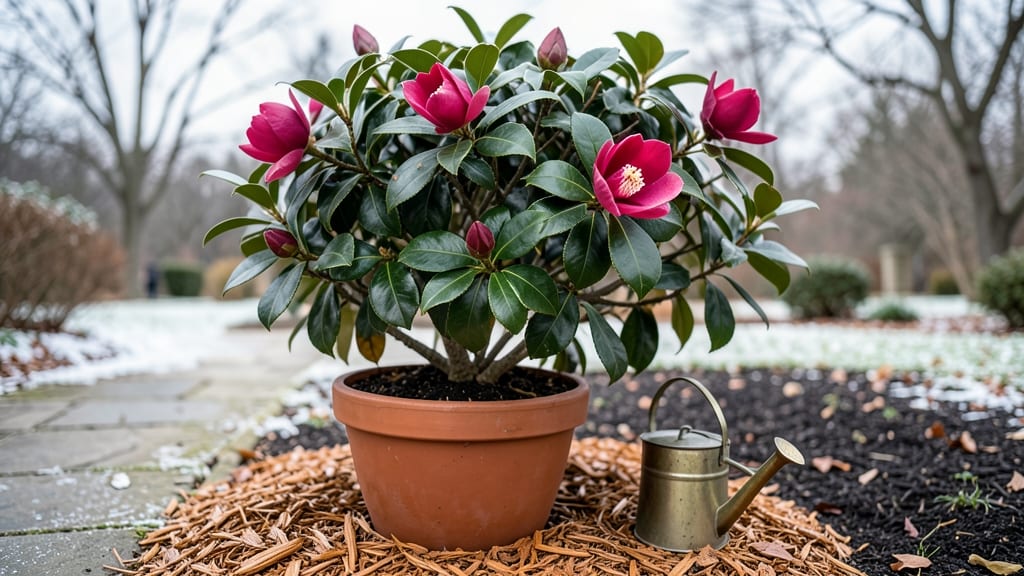
Winter-blooming flowers in Florida turn brown gardens into vibrant displays when others fade away 🌱 — and the best part? Many of these beauties thrive in the Sunshine State’s mild winters.
Picture this: while your neighbors are bundled up, your yard is bursting with color from frost-resistant blooms like camellias and jasmine. Florida’s unique microclimates mean some flowers shine brighter in the north, while others dominate the central and southern regions.
You don’t need a green thumb to make this work. The key is knowing which varieties suit your zone and how to care for them during the cooler months. From soil prep to sunlight secrets, I’ll show you exactly how to keep your winter garden thriving.
Ready to skip the barren winter look? I’ll walk you through the top cold-hardy flowers, their care routines, and how to mix them for a show-stopping seasonal display that lasts from December through March.
Top 10 cold-hardy winter-blooming flowers in Florida’s climate Zones
Florida’s mild winters create a unique opportunity to grow stunning winter-blooming flowers that many northern gardeners can only dream of. Unlike colder climates, Florida’s USDA Zones 8-11 allow year-round blooms, with December through February offering some of the most vibrant displays.
The key? Choosing cold-hardy varieties that thrive in Florida’s microclimates—from the cooler Panhandle to the balmier South Florida regions.
Northern Florida (Zones 8-9) experiences cooler temperatures with occasional light frosts, while Central and South Florida (Zones 10-11) enjoy warmer winters with minimal temperature drops. This means your winter garden can feature camellias in North Florida alongside winter jasmine in Miami.
Let’s explore the top 10 cold-hardy winter bloomers and how to grow them successfully in your region.
| Flower | Best Florida Zones | Bloom Time | Sunlight Needs | Care Tips |
|---|---|---|---|---|
| Camellia | 8-10 (North FL) | Nov-Mar | Partial shade | Acidic soil, mulch roots |
| Winter Jasmine | 7-11 (All FL) | Jan-Feb | Full sun | Drought-tolerant, prune after bloom |
| Star Jasmine | 9-11 (Central/South) | Dec-Apr | Full sun-part shade | Train on trellis, water weekly |
| Hellebore | 8-10 (North FL) | Jan-Mar | Partial shade | Shade-tolerant, keep soil moist |
| Winter Daphne | 8-10 (North FL) | Jan-Feb | Partial shade | Fragrant, prune after blooming |
| Salvia | 8-11 (All FL) | Dec-Apr | Full sun | Drought-resistant, trim spent blooms |
| Pansy | 7-11 (All FL) | Oct-Mar | Full sun-part shade | Edible flowers, deadhead regularly |
| Sweet Alyssum | 7-11 (All FL) | Dec-Apr | Full sun-part shade | Attracts pollinators, self-seeds |
| Winter Honeysuckle | 8-10 (North FL) | Jan-Feb | Full sun-part shade | Climbing vine, prune annually |
| Cyclamen | 9-11 (Central/South) | Dec-Feb | Partial shade | Keep soil moist, shade in summer |
For North Florida gardeners in Zones 8-9, camellias and winter daphne are standout choices, offering <
How to extend winter blooms: soil, sunlight, and watering secrets
Florida’s mild winters create perfect conditions for winter bloomers, but extending their bloom time requires strategic care. The key lies in soil preparation, sunlight optimization, and smart watering—all tailored to Florida’s unique microclimates.
With the right techniques, your camellias, jasmine, and salvias can flourish even when temperatures dip slightly.
Start with well-draining soil enriched with organic matter like compost or aged manure. Winter bloomers often struggle in soggy soil, so amend heavy clay with pine bark fines or sand to improve aeration. A soil test can reveal pH imbalances—most winter flowers prefer a slightly acidic environment (pH 5.5–6.5).
Now, let’s dive into the three critical factors for winter bloom success:
- Mulch heavily (3–4 inches) with pine straw or wood chips to insulate roots.
- Add slow-release fertilizer (like 10-10-10) in early winter to fuel blooms.
- For container plants, use well-draining potting mix with perlite.
- Most winter bloomers need 6+ hours of sunlight—avoid deep shade.
- In North Florida, south-facing spots capture the most winter sun.
- Use reflective mulch (like white gravel) to bounce light to shaded areas.
- Water deeply but infrequently—aim for 1 inch per week, more in pots.
- Avoid overhead watering at night to prevent fungal diseases like powdery mildew.
- Check soil moisture with your finger—top 2 inches should be dry before watering.
Don’t forget to prune spent blooms regularly to encourage new growth. For example, camellias benefit from removing faded flowers to redirect energy to bud formation. In Central and South Florida, where winters are warmer, you can even experiment with winter-blooming succulents like kalanchoe or sedum for year-round color.
With these soil, sunlight, and watering secrets, your winter garden will stay vibrant long after other regions’ flowers have faded. The key is consistency—adjust your approach based on your specific Florida climate zone and the unique needs of each plant. Happy gardening!
🌿