
Flowers
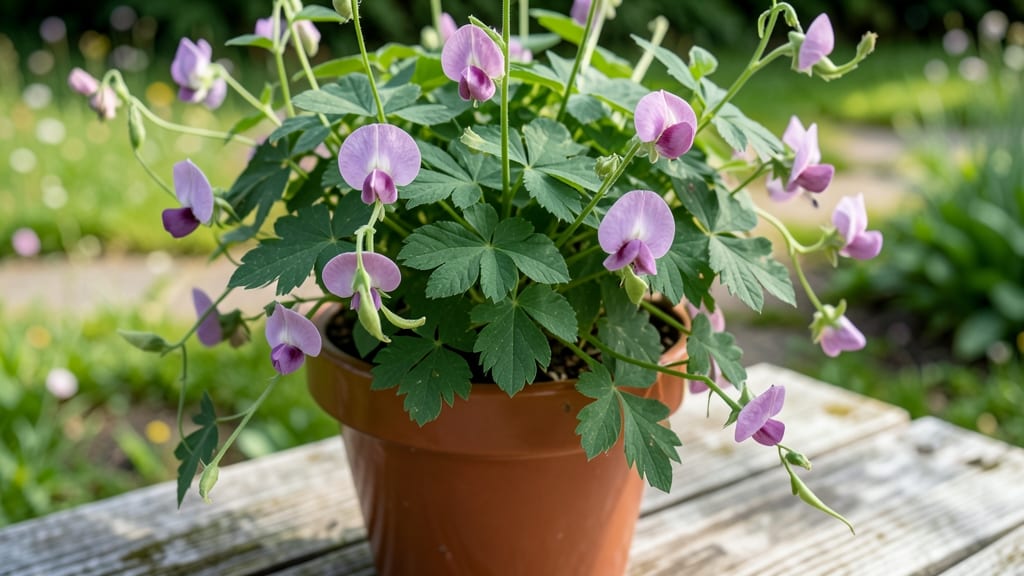
Sweet pea flowers blooming in April mean fragrant, cascading vines that fill your garden with color until frost—if you plant them at the right time.
Picture this: April’s mild temperatures and longer daylight make it the perfect month to plant sweet peas 🌸, but miss the window, and you’ll sacrifice weeks of vibrant blooms.
The key is getting seeds in the ground 4-6 weeks before your last frost, which for many gardeners falls right around mid-April.
In USDA Zone 6a, where I garden, April planting gives sweet peas enough time to establish roots before summer heat arrives. But timing varies by region—cooler areas can start earlier, while warmer zones may need to wait until late April to avoid wilting.
Below, I’ll break down the best planting dates for your zone, soil prep secrets to keep vines thriving, and how to choose varieties that bloom nonstop from June through August.
Best April planting dates for sweet peas by US growing zones
Sweet peas thrive when planted in April, but the exact timing depends on your USDA growing zone. In zones 3-5, cooler temperatures mean you can start seeds indoors by mid-April and transplant outdoors after the last frost.
Gardeners in zones 6-7 have a wider window—direct sow seeds by late April for summer-long blooms. The key is planting 60-70 days before your first frost to avoid heat stress.
Soil temperature is critical: sweet peas need 45-55°F soil to germinate. In zone 3, wait until soil warms to 50°F (usually late April), while zone 7 gardeners can plant as early as mid-April. Use a soil thermometer to check—cold soil delays germination by weeks.
Here’s how April planting dates vary by zone to maximize bloom duration:
In zone 3, April’s cool nights mean you’ll need to harden off seedlings for 10-14 days before transplanting. Use row covers to protect young plants from late frosts. For zones 6-7, prioritize morning sun to prevent afternoon wilting—sweet peas hate 90°F+ temperatures.
Pro tip: Plant two batches in zone 5-7—one in early April and another in late May—to stagger blooms from summer into fall. Choose dwarf varieties like ‘Cupani’ for containers or tall climbers like ‘Perfume’ for trellises.
Soil prep matters too: amend with compost to improve drainage, and add a time-release fertilizer (5-10-10) at planting. Sweet peas fix nitrogen, but they still need phosphorus for strong roots and blooms. Test your soil’s pH—aim for 6.0-7.0.
Watch for aphids in warm zones—they love sweet pea sap. Spray with neem oil if you spot clusters. Deadhead spent blooms every 2 weeks to encourage new flowers. With the right timing, your sweet peas will reward you with fragrant cascades from summer until frost.
🌸
How to extend sweet pea blooms all summer with simple April prep
April’s longer daylight hours give your sweet pea flowers a head start, but without the right prep, they’ll fizzle by mid-summer. The key? Hardening off seedlings and amending soil to prevent heat stress.
I’ve grown these fragrant climbers for years, and these tricks ensure blooms from June through frost—even in hot zones.
Start by choosing long-blooming varieties like ‘Cupani’ or ‘Perfume’ series, which produce flowers for 8-10 weeks when given proper support. Pair them with trellises or obelisks to maximize vertical space and airflow, reducing fungal risks that cut blooms short.
Gradually expose young plants to April winds and sun over 7-10 days. Place them outdoors for 2 hours daily, increasing time by 1 hour each day. This toughens stems to prevent wind damage and wilting once planted.
Mix compost and perlite into planting holes to improve drainage. Sweet peas hate soggy roots, which cause early wilting. Aim for soil that drains within 1 hour of watering—test by squeezing a handful; it should crumble, not stick.
Install 5-6 ft trellises before planting to support vines. Use twine or netting (not wire) to avoid damaging tender stems. Train vines weekly by gently weaving them upward—this encourages longer stems and more blooms.
Snip off spent flowers every 3 days to redirect energy to new buds. Use clean pruning shears and cut just above the first set of leaves. This trick extends blooming by 3-4 weeks in my garden—even in Zone 7 heat.
Water deeply in the morning to reduce evaporation, and mulch with straw to retain moisture. I’ve seen sweet peas wilt in 90°F heat without these steps, but with this routine, they thrive until first frost.
The secret? Consistency—don’t skip hardening off or mulching, even if April showers roll in.
For extra insurance, plant two batches 3 weeks apart. The first will bloom in June, while the second takes over in July, creating a nonstop floral display. Pair with dwarf sunflowers or nasturtiums for a pollinator-friendly combo that keeps your garden buzzing all season.
🌸