
Flowers
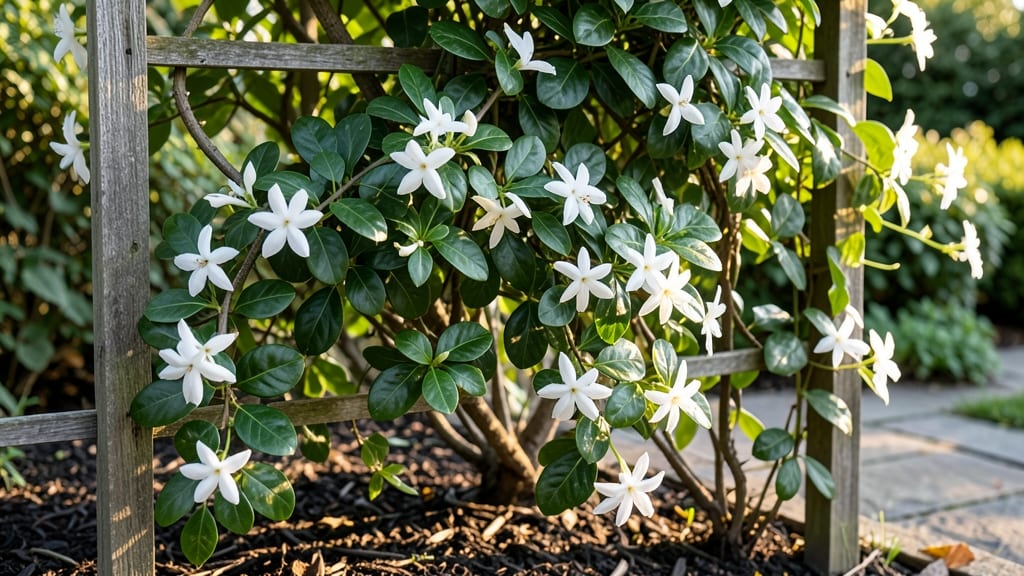
The star jasmine flowering season is your chance to turn your garden into a fragrant oasis—but only if you time your pruning just right.
Picture this: you’ve waited all year for that sweet, intoxicating scent of 🌸 star jasmine to fill your yard, only to realize next spring’s blooms are sparse or nonexistent. That’s because pruning at the wrong time can cut off the very buds that will bring your garden to life.
Most gardeners in USDA Zone 6a see their star jasmine burst into bloom between May and September, but the key to a longer, more abundant display lies in knowing when to prune. A little strategic trimming after the flowers fade—or better yet, in late winter—can make all the difference.
In this guide, I’ll walk you through the exact pruning schedule to keep your star jasmine flowering year after year, plus tips to extend those fragrant blooms well into summer.
Star jasmine flowering season timeline: when blooms appear and how to extend them
The star jasmine (Trachelospermum jasminoides) bursts into bloom with its highly fragrant white flowers, typically arriving in late spring through summer. However, the exact timing depends on your USDA hardiness zone and whether you're growing spring-flowering or summer-flowering varieties.
In zones 8-10, blooms often start as early as March, while gardeners in zones 6-7 may see flowers appear in May or June.
Understanding your local frost dates is crucial—star jasmine thrives in warm climates and can suffer if pruned too late in cool regions. For example, in zone 7, where the last frost typically occurs around April 15, blooms often peak in June and July.
Meanwhile, in zone 9, where frost is rare, star jasmine may bloom from April through September, offering a longer fragrance-filled season.
The key to extending your star jasmine’s flowering season lies in strategic pruning—specifically, late winter pruning before new growth begins. This encourages longer, more abundant blooms by promoting vigorous new shoots.
However, timing is everything: prune too early, and you risk frost damage to fresh cuts; prune too late, and you may miss next year’s buds entirely.
Here’s a quick reference for star jasmine’s blooming window based on your region:
| Region (USDA Zone) | Typical Bloom Time | Best Pruning Time | Flower Duration |
|---|---|---|---|
| Zones 6-7 (Cool Climates) | May - July | Late February - Early March | 6-8 weeks |
| Zones 8-9 (Warm Climates) | April - September | January - February | 5-7 months |
| Zone 10+ (Tropical Climates) | Year-round (peaks spring-fall) | December - January | Continuous blooms |
In cooler climates (zones 6-7), star jasmine’s blooms are shorter-lived but more intense, typically lasting 6-8 weeks from May to July.
To extend this period, focus on late winter pruning (just as new growth begins) and avoid heavy cuts that remove next year’s flower buds, which form on old wood.
In contrast, warmer zones (8-10) enjoy prolonged blooming, often from April through September, making them ideal for year-round fragrance.
Climate plays a huge role in star jasmine’s performance. For instance, in humid southern gardens, blooms may appear earlier but fade faster due to heat stress. To combat this, ensure your plant receives morning sun and afternoon shade during peak summer months.
Meanwhile, in drier northern climates, star jasmine may bloom later but benefit from consistent moisture to support longer-lasting flowers.
One of the best ways to extend blooms is to prune after flowering (late summer) to remove spent flowers and encourage new growth. This technique, called renewal pruning, stimulates a second flush of blooms in fall for gardeners in zones 8-10.
However, avoid this in cooler zones, where new growth may not harden off before frost.
For northern gardeners, focus on protecting your star jasmine during winter. Use mulch to insulate roots and consider winter pruning only if necessary—never prune in fall, as this can stimulate tender growth that won’t survive frost.
Instead, wait until late winter (just before buds swell) to shape the plant and remove dead wood.
Pro tip: If your star jasmine’s blooms are sparse or short-lived, it may need more sunlight. Star jasmine thrives in full sun (6+ hours daily), but in hot climates, afternoon shade can prevent heat stress while still promoting abundant flowers.
Pair this with balanced fertilization (10-10-10) in early spring and summer to fuel vigorous growth and blooming.
With the right pruning timing and climate adjustments, your star jasmine can become a fragrant garden staple for years to come. Start by observing your local bloom times, then adjust pruning and care to match your hardiness zone.
The result? A longer, more fragrant flowering season that turns heads—and noses—alike. 🌸
Step-by-step star jasmine pruning guide: when and how to trim for next year’s flowers
Star jasmine (Trachelospermum jasminoides) blooms on new wood, meaning next year’s flowers form on growth made this season. Pruning at the wrong time can remove these flower buds before they develop. The key is to prune immediately after blooming (late summer) or in late winter—never during active growth.
Let me walk you through the exact steps to maximize fragrance without sacrificing next year’s display.
Timing is everything. If you prune before flowers fade, you risk cutting off blooms and next year’s buds. Conversely, pruning too late (after fall dormancy) can stress the plant. For most climates, the best window is late August to early September—right after the last flowers drop.
In colder zones (USDA 6-8), a second pruning in late winter (just before new growth starts) helps shape the vine without harming buds.
Pruning Timing: Post-Bloom vs. Late Winter
Post-Bloom Pruning (Late Summer)
- Pros: Removes spent blooms, encourages bushier growth
- Cons: Requires patience for buds to form
Late Winter Pruning
- Pros: Shapes vine, removes dead wood
- Cons: Risk of frost damage if done too early
Aggressive Pruning
- Pros: Dramatic shape, faster regrowth
- Cons: Fewer flowers next year (cuts buds)
Light Pruning
- Pros: Preserves buds, gradual growth
- Cons: Less dramatic shape change
Gather your tools before starting: sharp bypass pruners for clean cuts, hand pruners for smaller stems, and gloves (star jasmine has mild sap irritation). Always sterilize tools with rubbing alcohol to prevent disease spread.
Cut just above a leaf node or outward-facing bud at a 45-degree angle—this encourages growth in the right direction. Avoid cutting into old, woody stems, as they won’t regrow.
For a light pruning approach (ideal for most gardeners), remove only: - Dead or diseased branches - Overcrowded stems - Leggy growth that spoils the shape This method preserves 90% of flower buds while keeping the vine lush.
If you opt for aggressive pruning, reduce stems by up to one-third but focus on the oldest, least productive wood. Just remember: every cut removes potential blooms for next season.
After pruning, apply a balanced fertilizer (10-10-10) to support new growth. Water deeply at the base to reduce stress, and mulch with 2-3 inches of organic matter to retain moisture. Avoid heavy pruning in drought conditions—the plant needs energy to recover and set buds for next year.
In containers, prune more aggressively (up to 40% of growth) since potted plants have limited space.
Monitor your star jasmine for new growth in spring—this confirms successful bud formation. If you see sparse blooms next season, you pruned too aggressively. Adjust your approach by trimming only 10-15% of growth in future years.
With the right timing, your vine will reward you with double the fragrance and a fuller, healthier appearance.