
Blooming
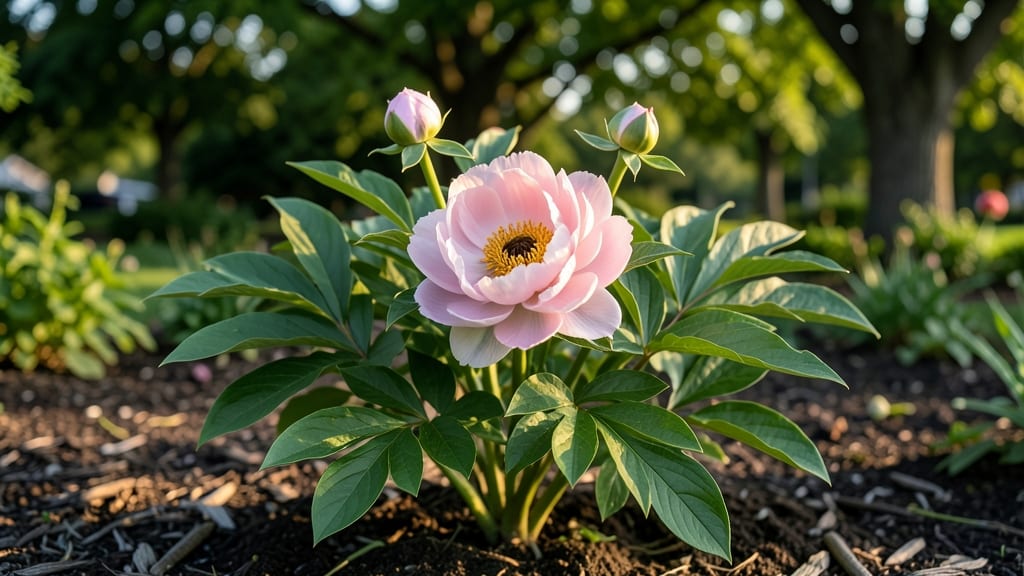
The peony flower blooming season spans late spring to early summer 🌸, when gardens explode with velvety petals in shades of pink, red, and white.
If you’ve ever watched your peonies fade too quickly, leaving you wondering how to stretch their glory, you’re not alone. The key lies in understanding their natural cycle and a few simple pruning tricks that keep them coming back year after year.
From USDA Zone 6a to warmer climates, timing matters—early bloomers may appear by May, while late varieties linger into June. But with the right care, you can coax extra weeks of flowers and stronger stems for seasons to come.
Below, I’ll break down when to expect blooms in your area, how to prune for longer displays, and the top 5 tips to ensure your peonies put on their best show every spring.
Peony blooming season by climate Zone: when to expect peak flowers
Peonies are nature’s showstoppers, but their blooming windows shift dramatically depending on your USDA climate zone. In cooler zones, they may burst into color as early as late April, while warmer regions might not see peak blooms until June.
Understanding these patterns helps you plan companion plantings and maintenance tasks for a seamless garden transition.
Regional microclimates—like urban heat islands or coastal breezes—can also delay or advance blooms by 2-3 weeks. For example, a peony in Zone 5 might bloom a week earlier near a south-facing wall than in an open field.
Pay attention to these local cues to fine-tune your expectations and care schedule.
| USDA Zone | Peak Blooming Window | Early Varieties | Late Varieties | Microclimate Tips |
|---|---|---|---|---|
| Zones 3-4 | Late April - Early May | Sarah Bernhardt | Bowl of Beauty | Plant near walls for warmth |
| Zones 5-6 | Mid-May - Early June | Duchesse de Nemours | Coral Charm | Mulch heavily in fall |
| Zones 7-8 | Early June - Mid-June | Karl Rosenfield | Garden Party | Provide afternoon shade |
| Zones 9-10 | Mid-June - Early July | Bartzella | Sarah Bernhardt (late) | Use shade cloth in summer |
In Zones 3-4, where winters are harsh, peonies often bloom earliest to take advantage of cooler spring temperatures. Varieties like Sarah Bernhardt (pink) and Bowl of Beauty (red) are classic choices for these regions, thriving in full sun and well-drained soil.
Their blooms may last 10-14 days, so plan to enjoy them before summer heat arrives.
Gardeners in Zones 5-6 experience the most dramatic blooming spread, with some varieties like Duchesse de Nemours (white) opening as early as late April, while others like Coral Charm (salmon) wait until early June. This staggered timing creates a 3-week peony parade in your garden if you mix varieties strategically.
Warmer climates in Zones 7-8 shift peony blooming later into June, but the trade-off is longer-lasting flowers. Karl Rosenfield (yellow) and Garden Party (pink) varieties often bloom for 2-3 weeks here, provided they receive afternoon shade to prevent wilting.
In these zones, peonies may also produce second flushes of buds if given proper care.
Southern gardeners in Zones 9-10 face the challenge of summer heat, which can stress peonies. Varieties like Bartzella (white) and late Sarah Bernhardt bloom in June-July but require afternoon shade and consistent moisture. Mulching with 3-4 inches of organic matter helps retain soil moisture and protects roots from extreme temperatures.
To extend your peony season, consider planting early, mid, and late-season varieties together. For example, pair Sarah Bernhardt (early) with Coral Charm (mid) and Bartzella (late) to create a 6-week bloom continuum. This technique works especially well in Zones 5-8, where temperature fluctuations are moderate.
Microclimates play a surprising role in peony
How to prune peonies to extend blooming season and boost next year’s flowers
Peonies reward gardeners with lush, romantic blooms—but their short-lived flowers often leave us craving more. The key to longer blooming seasons and healthier plants lies in proper pruning. Unlike many perennials, peonies never need pruning before their buds form. Timing and technique make all the difference for next year’s performance.
Most gardeners make one critical mistake: cutting back peonies too early or too aggressively. This disrupts the plant’s energy storage for next season’s buds. Instead, we’ll focus on post-bloom care that preserves strength while keeping your garden looking tidy.
Let’s dive into the step-by-step pruning that transforms a one-season show into a multi-year spectacle.
⚠️ CRITICAL WARNING: Never prune peonies before their blooms fade! Cutting too early removes next year’s flower buds, which form on current season’s growth. Wait until after blooms wilt completely before touching your peonies.
🌱 Signs you’re ready: Leaves turn yellow, stems become floppy, and buds are completely spent.
— Peony Pruning Rule #1: Patience prevents permanent damage.
Start by deadheading spent blooms as they fade. Use clean, sharp pruning shears to cut stems 1 inch above the nearest leaf node or bud. This redirects energy from seed production back into the plant’s roots and next year’s flower buds.
For herbaceous peonies, this is your first pruning step.
After deadheading, wait until late summer or early fall (August-September) to perform your second pruning. At this point, foliage will naturally yellow and die back.
Cut back stems to 3-4 inches above ground level, removing only the dead or brown foliage. Never cut into the woody crown—this is where next year’s buds form.
For tree peonies, the process differs slightly. These woody-stemmed varieties bloom on old wood, so prune only to shape the plant and remove dead or crossing branches.
Thin out 10-20% of oldest stems annually to encourage new growth and larger blooms. Always make cuts just above a bud or branch to promote healing.
Seasonal maintenance prevents disease and pests that can weaken peonies. In early spring, remove any moldy or diseased foliage left from winter.
Apply a 2-3 inch layer of mulch around the base (but avoid touching the crown) to protect roots and retain moisture. Disinfect tools between cuts with rubbing alcohol to prevent spreading fungal infections like botrytis blight.
With proper pruning, your peonies will reward you with larger, more abundant blooms for years. The secret is patience and precision—never rush the process. Follow these steps, and you’ll transform your peonies from a one-season highlight into a garden centerpiece that steals the show year after year. 🌸