
Mower
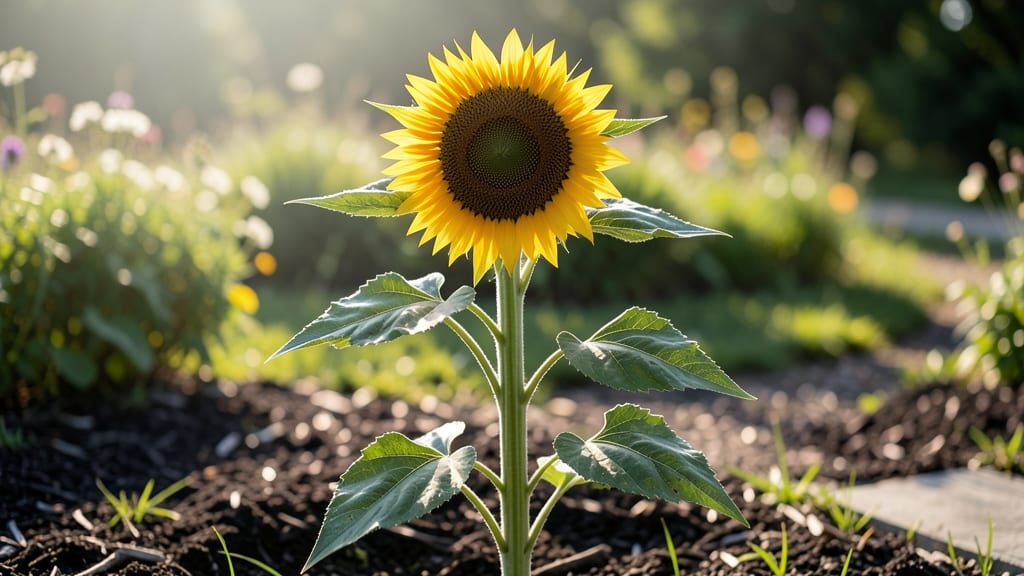
The size of a Mammoth sunflower 🌻 can turn your garden into a towering display—reaching heights of 10 to 14 feet with stems as thick as your wrist.
If you’ve ever dreamed of sunflowers that dwarf your fence—or even your house—these giants deliver, but their massive size also means big challenges. Without the right support, they’ll flop like overgrown weeds, leaving you scrambling to save your investment in seeds and space.
This guide breaks down everything you need to know: how tall they grow, how much space they’ll hog, and the support hacks to keep them standing tall. Whether you’re a beginner or a seasoned gardener, planning for these sunflowers isn’t just about planting—it’s about strategy.
You’ll learn which varieties stay sturdy without staking, how to space them for maximum impact, and when to step in with supports before the wind takes over. Let’s get those sunflowers soaring—without the drama.

How tall do Mammoth sunflowers grow? Height records & growth stages
If you’re planting Mammoth sunflowers for the first time, you’re probably wondering: How tall do these giants really get? The answer depends on the variety, growing conditions, and genetics.
On average, these sunflowers reach 12 to 18 feet tall, with some varieties like the Russian Mammoth pushing toward the upper limit. In ideal conditions, they can even surpass 20 feet, though this is rare.
The key to maximizing height lies in understanding their growth stages and genetic potential.
Mammoth sunflowers aren’t just tall—they’re fast growers. In just 80 to 100 days, they can go from a tiny seedling to a towering plant with a 12-to-16-inch-wide flower head.
Their rapid growth means you’ll need to plan for structural support early to prevent toppling, especially in windy areas. The American Mammoth variety, for example, tends to be slightly shorter (around 10 to 14 feet) but equally robust.
Here’s a quick breakdown of what to expect at each growth stage, from seedling to mature plant:
| Growth Stage | Height Range | Time to Reach | Key Notes |
|---|---|---|---|
| Seedling | 0.5–2 feet | 10–14 days | Thin seedlings to 6–12 inches apart |
| Vegetative Growth | 3–6 feet | 30–40 days | Stem thickens; stake if needed |
| Bud Formation | 6–10 feet | 50–60 days | Flower head emerges; support critical |
| Mature Plant | 12–18 feet | 80–100 days | Full sun + nutrients = max height |
| Record-Breakers | 18–20+ feet | 90–120 days | Rare; requires ideal conditions |
The Russian Mammoth variety is famous for its height records, with some gardeners reporting plants reaching 20 feet or more under perfect conditions. In 2019, a sunflower grown in Oregon set a Guinness World Record at 18.2 feet tall, proving these giants can truly dominate your garden.
To achieve similar results, focus on rich, well-draining soil, consistent watering, and full-sun exposure (at least 6–8 hours daily).
Genetics play a huge role in height differences. For example, the American Mammoth tends to stay shorter (around 10–14 feet) but produces heavier flower heads, while the Russian Mammoth prioritizes height over head size.
If you’re working with limited space, consider dwarf Mammoth varieties like ‘Mammoth Single’ (still 8–10 feet tall) for a more manageable option without sacrificing the classic sunflower look.
One common misconception is that Mammoth sunflowers grow taller in poor soil. The opposite is true—they thrive in nutrient-rich, loamy soil with a pH of 6.0–7.5. Amend your soil with compost or aged manure before planting to give their deep roots the support they need.
Without proper nutrients, their stems may weaken, leading to toppling or stunted growth. Think of it like building a skyscraper: a weak foundation means disaster.
Wind is another factor that can dramatically affect height. In windy areas, plants may grow lean or shorter as they bend to avoid damage. To combat
Support hacks for heavy Mammoth sunflower heads: staking & trellising guide
Those 12–18-foot-tall Mammoth sunflowers may look majestic, but their heavy flower heads (weighing up to 10 pounds each) can snap stems like twigs. Without proper support, your sunflowers will flop over by mid-summer, leaving you with a sad, sprawling mess instead of a towering centerpiece.
The good news? Simple staking and trellising techniques can save your giants—and your garden’s aesthetic.
Timing is everything. I’ve learned the hard way that waiting until the flower head forms to stake is too late—the stem is already too weak. Instead, start support systems when plants reach 3–4 feet tall, before the head begins to swell.
This gives the stem time to strengthen around the support without damage. For varieties like ‘Russian Mammoth’, which can grow 18 feet, early support is non-negotiable.
Step-by-Step Staking & Trellising for Mammoth Sunflowers
-
Step 1: Choose Your Support
- 🌿 Bamboo stakes: 6–8 ft tall, driven 2–3 inches into soil at a 45-degree angle away from the plant.
- 🪣 Wire cages: 12-gauge galvanized wire, 4–5 ft diameter, wrapped around the stem at soil level and mid-stem.
- 🌀 Spiral supports: Flexible plastic or metal spirals, wrapped gently to avoid stem constriction.
-
Step 2: Install Early (3–4 ft tall)
- 📌 Secure stakes 1–2 inches from the stem to prevent rubbing.
- 🔄 Use soft garden twine or cloth strips (never wire) to tie stems.
- 🌱 Avoid wrapping too tightly—stem growth must continue.
-
Step 3: Reinforce as They Grow
- ☀️ Add a second stake at 6–8 feet tall for 14+ ft varieties.
- 🌾 For windy areas, use a trellis or teepee structure with multiple supports.
- ✂️ Prune lower leaves to reduce weight on the stem.
-
Step 4: DIY Trellis for Small Spaces
- 🪵 Use wooden dowels or PVC pipes in a pyramid shape.
- 🌱 Plant 3–4 seeds near the center for shared support.
- 💧 Water deeply after staking to settle supports.
🌻 Pro Tip: Avoid metal stakes—they can overheat in sun and damage stems.
One common mistake I see is using metal or wire ties that cut into the stem as it thickens. Instead, opt for soft, breathable materials like cotton cloth strips or old T-shirts. These flex with the plant’s growth and won’t girdle the stem.
For extra stability in windy climates, consider a teepee trellis made from bamboo poles arranged in a circle. This distributes weight evenly and creates a stunning vertical display.
If you’re growing ‘American Mammoth’ varieties, which can reach 14–16 feet, you’ll need to think bigger. A DIY trellis system with multiple bamboo stakes tied together in an A-frame works wonders.
Just ensure the stakes are buried at least 12 inches deep for maximum stability. For smaller gardens, spiral supports are my go-to—they’re easy to install and adjust as the plant grows.
Remember, the key to happy Mammoth sunflowers is proactive support. Waiting until the flower head forms means you’re playing catch-up with a 10-pound weight at the end of a fragile stem.
Start early, reinforce often, and your sunflowers will reward you with uninterrupted vertical drama all summer long. With the right support, your 12–18-foot giants will stand tall—literally—above the rest of your garden.