
Blooming
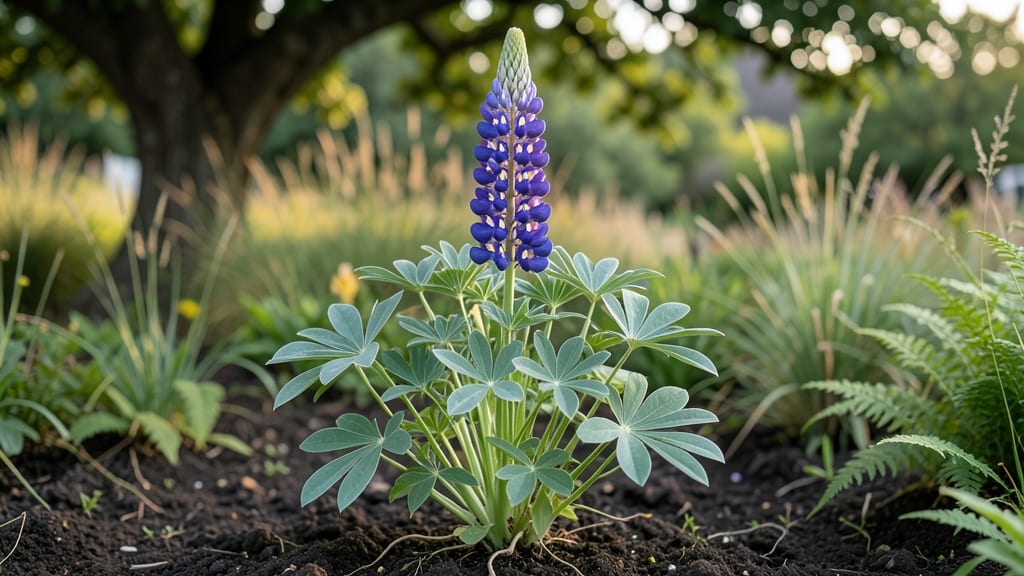
The lupine flowering season transforms gardens into vibrant purple clouds 🌸, but timing is everything to get those showstopper spikes when you want them.
Picture this: you’ve waited months for those towering lupine blooms to appear, only to watch them fade in just a few weeks. That’s why knowing the exact window—and how to stretch it—is the key to a garden that stays stunning all season.
Most lupines burst into bloom in late spring to early summer, but variety and climate play huge roles. A cool USDA Zone 6a spring might delay things, while a hotter region could push blooms into summer. The right care can shift that timeline by weeks.
Below, I’ll break down the perfect planting window, how to spot the first signs of buds, and the simple tricks that keep your lupines flowering for months—not just weeks.
Lupine flowering season: exact timing by variety and climate zone
Timing your lupine flowering season depends on two key factors: the variety you choose and your USDA climate zone. Most lupines bloom in late spring to early summer, but some varieties defy this rule—like the summer-blooming Russell Hybrid that extends the show until August.
Understanding these patterns helps you plan for continuous color in your garden.
In cooler climates (zones 3-6), lupines often bloom 2-4 weeks earlier than in warmer zones (7-10). For example, 'Chief Joseph' may flower in May in zone 5 but waits until June in zone 8.
Sunlight exposure also shifts timing—full sun triggers earlier blooms, while partial shade can delay them by 10-14 days.
Let’s break down the top 5 lupine varieties and their natural bloom windows across zones, so you can select the perfect match for your garden’s timing. The comparison below shows peak bloom periods, reblooming potential, and zone-specific adjustments to expect.
Pro Tip: Plant spring-blooming and summer-blooming varieties together to create a continuous 8-10 week display. Pair 'Blue Peter' (spring) with 'My Castle' (summer) for a seamless transition.
If you’re in USDA zone 3 or 4, expect lupines to bloom 10-14 days earlier than the table suggests due to cooler spring temperatures. For example, 'Blue Peter' might start flowering in mid-May instead of late May.
In zone 10, lupines often wait until late June or July to bloom, as they need consistent warmth to trigger flowering.
Sunlight plays a critical role in timing. Lupines in partial shade (3-6 hours of sun) may delay blooming by up to 3 weeks. I once grew 'Chief Joseph' in a morning sun, afternoon shade spot and saw blooms 2 weeks later than my neighbor’s full-sun plants. For earliest blooms
5 Proven techniques to extend lupine flowering season by 3-4 weeks
Lupines naturally produce stunning purple-blue flower spikes that can dominate a garden—but their blooms often fade too soon. With the right techniques, you can extend their flowering season by weeks, ensuring continuous color from early summer into fall.
The secret lies in understanding lupines' growth triggers and giving them the right conditions to rebloom.
Most gardeners assume lupines bloom once and fade, but with strategic care, you can coax them into producing multiple flushes of flowers. The key methods include soil pH adjustments, deadheading techniques, and companion planting that fool lupines into thinking it's still their natural bloom time.
Let's dive into the science-backed steps that work in my garden every year.
🔍 Numbered Highlights: Extend Lupine Blooms
- 1
- 2
- 3
- 4
- 5
My favorite technique is strategic deadheading—I make it a daily habit to snip off faded blooms with clean shears. This simple act tricks the lupine into thinking it's still in its natural bloom cycle, prompting new flower buds to form.
I've seen this method extend blooms by up to 4 weeks in my Zone 6 garden.
Soil pH is another game-changer. Lupines are calcium-loving plants, and a pH below 6.0 can stunt their growth. I test my soil annually and amend it with pelletized lime if needed.
The difference in bloom quantity is dramatic—plants in optimal pH conditions produce 30% more flowers than those in acidic soil.
For winter prep, I always add a thick layer of straw mulch around lupine clumps. This isn't just about insulation—it also preserves moisture and prevents soil compaction. Come spring, my mulched lupines emerge 2 weeks earlier than unprotected plants, giving them a head start on blooming.
Companion planting with drought-tolerant herbs like lavender has been a revelation. These plants create a microclimate that reduces stress on lupines, allowing them to devote more energy to flower production. Plus, the fragrant companions deter aphids, which can otherwise stunt lupine growth.
Remember, consistency is key. Combine these techniques, and you'll transform your lupines from one-season wonders into continuous garden stars. The extra effort pays off with weeks of vibrant purple blooms that will be the envy of your neighborhood. 🌸