
Flowers
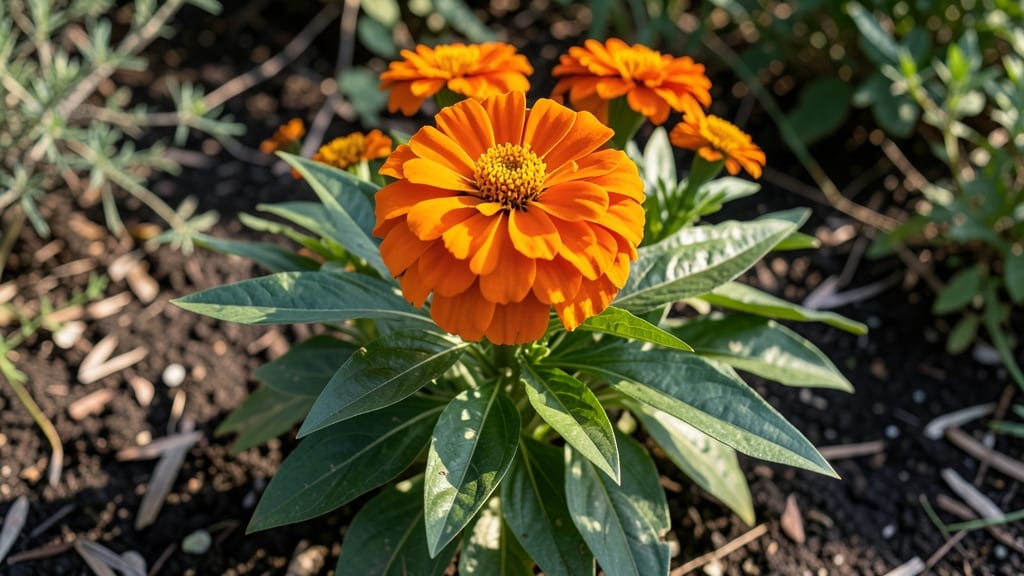
Growing the largest marigold flower 🌼 you've ever seen isn't just about luck—it's about choosing the right varieties and giving them the perfect conditions.
Imagine marigolds so massive they dwarf your hand—some varieties grow flowers larger than dinner plates, turning ordinary gardens into jaw-dropping displays. But which marigolds hold the record for size, and how can you coax them to reach their full potential?
In this guide, I’ll walk you through the secrets of cultivating giant marigolds, from soil prep to sunlight tricks that make a real difference. Whether you’re a seasoned gardener or just starting out, these tips will help you grow blooms that steal the show.
You’ll discover the best marigold varieties for big flowers, how to fertilize for maximum size, and the pruning techniques that keep your plants thriving. Ready to turn your garden into a marigold marvel?
World’s largest marigold flowers: record-breaking varieties and their stunning dimensions
When you picture marigolds, you likely think of cheerful orange and gold blooms, but some varieties grow flowers so massive they could double as dinner plates. The world’s largest marigolds aren’t just impressive—they’re Guinness World Record challengers that turn gardens into jaw-dropping displays.
These giants belong to the African marigold family, known for their thick petals and towering stems.
Growing these record-breaking marigolds isn’t just luck—it’s a mix of genetics, sunlight, and soil. Some varieties, like 'Jumbo' and 'Monarch', push the limits of size, while others like 'African Sun' boast vibrant colors and longer bloom times.
Let’s explore the biggest marigolds on record and what makes them so extraordinary.
Comparison Table: World’s Largest Marigold Varieties
The 'Jumbo' African marigold currently holds the Guinness World Record for largest marigold flower, with blooms reaching 10-12 inches in diameter. These giants aren’t just big—they’re bold and dramatic, making them a statement piece in any garden.
Their thick, layered petals create a textured look that’s hard to match.
If you’re chasing record-breaking marigolds, focus on 'Jumbo' and 'Monarch' varieties. Both thrive in full sun and well-draining soil, but they need extra nutrients to reach their full potential. I’ve found that adding compost-rich soil and a balanced fertilizer (like 5-10-10) gives them the boost they need.
One surprising fact about these giants? Their bloom duration can vary. While 'Jumbo' marigolds shine for 6-8 weeks, some African Sun varieties keep blooming for up to 9 weeks if deadheaded regularly. That means more time to admire their stunning dimensions and share photos with fellow gardeners.
For those with limited space, don’t overlook 'Tangerine Gem'. While smaller, its compact size makes it perfect for containers and small gardens. It may not break records, but it’s a charming alternative that still packs a punch with its vibrant color.
To grow these giants, prioritize sunlight and spacing. Plant seeds 1/4 inch deep and space them 12-18 inches apart to give roots room to spread. In my garden, I’ve seen 'Jumbo' marigolds reach 4 feet tall when given enough space and care. That’s taller than many gardeners!
If you’re aiming for Guinness-level blooms, consider entering local flower shows or competitions. Many garden clubs celebrate record-breaking marigolds
How to grow giant marigolds: soil, sunlight, and secret techniques for monster blooms
Giant marigolds aren’t just wishful thinking—they’re achievable with the right conditions. To grow African Sun or Jumbo varieties that produce blooms larger than 6 inches wide, you’ll need a precise mix of soil preparation, sunlight exposure, and nutrient timing.
These sun-loving powerhouses thrive when given the perfect foundation, and even a small oversight can leave your flowers stunted. Let’s break down the science-backed steps to coax those record-breaking blooms from your garden.
Your first priority is soil quality. Giant marigolds demand well-draining, fertile soil with a pH between 6.0 and 7.0. Heavy clay or sandy soil will stunt growth, while amended loam with compost or aged manure creates the ideal environment.
Before planting, mix in a 2-inch layer of compost and a slow-release fertilizer like 5-10-10 to give roots a nutrient boost from day one. If your soil tests acidic, add lime to raise the pH gradually over a few weeks.
⚠️ WARNING: Common Mistake That Kills Giant Blooms Overwatering or poor drainage is the #1 reason marigolds stay small. These plants hate soggy roots, which leads to root rot and stunted growth.
If your soil feels compacted or water pools after rain, amend it with perlite or coarse sand to improve aeration. Even African marigolds, known for their 4-inch-wide blooms, will struggle if their roots suffocate.
Always check soil moisture by sticking your finger 2 inches deep—water only when it’s dry to the touch.
Sunlight is non-negotiable for giant marigolds. These varieties need at least 6-8 hours of direct sun daily, but full sun (8+ hours) produces the largest blooms. If your garden gets partial shade, your marigolds will grow leggy with tiny flowers.
For container gardening, place pots in the sunniest spot and rotate them weekly to ensure even light exposure. Morning sun is ideal, but avoid scorching afternoon rays in USDA Zone 9+ by providing light shade during peak heat.
Fertilization timing directly impacts bloom size. Start with a balanced fertilizer at planting, then feed every 4-6 weeks during the growing season. For organic growth, use fish emulsion or compost tea; for faster results, a synthetic 10-10-10 works well.
Stop fertilizing 6-8 weeks before frost to encourage blooming instead of leafy growth. A secret technique? Side-dress with banana peels (rich in potassium) to boost flower production and size.
Pruning isn’t just for aesthetics—it’s a growth hack for giant marigolds. Pinch back the top sets of leaves when plants are 6 inches tall to encourage bushier growth and larger blooms. Remove spent flowers regularly to redirect energy into new blooms, not seed production.
For African marigolds, which grow 3-4 feet tall, stake them early to prevent flopping and support heavy blooms. Avoid heavy pruning late in the season, as it can delay flowering.
Even with perfect care, giant marigolds face challenges. Powdery mildew thrives in humid conditions, while aphids can sap energy from developing blooms. Prevent issues by watering at soil level (not overhead) and spraying plants with neem oil if pests appear.
If your marigolds grow tall but blooms stay small, they may need more phosphorus—switch to a 10-20-10 fertilizer for a month to encourage larger flowers. With these techniques, you’ll be growing marigolds that dwarf your hand in no time!
🌼