
Flowers
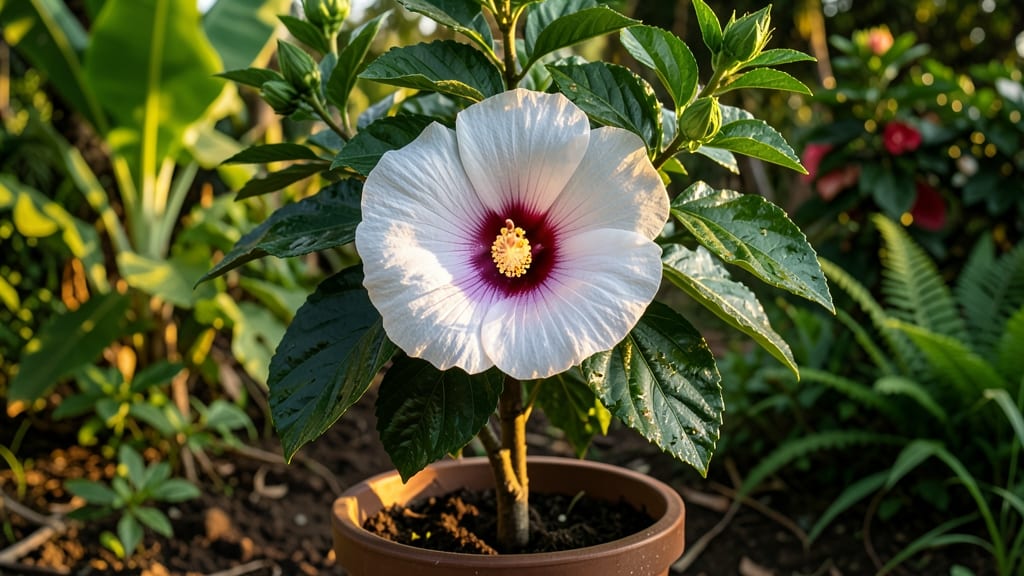
Growing the largest hibiscus flower you’ve ever seen is like nurturing a botanical masterpiece—some varieties push petals to over a foot wide, turning your garden into a living work of art.
Imagine a hibiscus so massive it could easily cover a dinner plate—some varieties grow so large they defy belief, pushing botanical boundaries with petals spanning over a foot wide. If you're fascinated by nature's giants, these record-breaking hibiscus flowers will leave you in awe—and eager to grow them yourself.
But here’s the catch: these giants don’t just happen. They need the right soil, sunlight, and a little extra care to reach their full potential. In this guide, I’ll share the secrets to cultivating monster-sized hibiscus blooms, from choosing the right varieties to mastering pruning and fertilization techniques.
Whether you’re in USDA Zone 6a or a warmer climate, you’ll discover how to create the perfect conditions for hibiscus that steal the show. Let’s get growing!
World’s largest hibiscus flowers: record-holding varieties and their stunning measurements
When I first saw a Hibiscus rosa-sinensis 'Giant White' bloom in a tropical garden, I couldn’t believe how much it resembled a dinner plate—its petals stretched over 12 inches wide! These record-breaking hibiscus varieties aren’t just beautiful; they’re botanical marvels that push the limits of what hibiscus can achieve.
Whether you're a seasoned gardener or just starting, these giants will transform your landscape into a tropical paradise.
Growing these massive blooms requires understanding their unique needs, from sunlight exposure to soil nutrition. Some varieties thrive in humid climates, while others adapt to cooler regions with proper care.
Let’s dive into the top hibiscus varieties known for their oversized flowers and discover how to cultivate them for maximum impact.
| Variety | Petal Size | Mature Height | Best Climate | Bloom Season |
|---|---|---|---|---|
| Hibiscus rosa-sinensis 'Giant White' | 12-14 inches | 6-10 feet | Tropical/Subtropical | Spring-Fall |
| Hibiscus moscheutos 'Southern Belle' | 8-10 inches | 5-7 feet | USDA Zones 5-9 | Summer-Fall |
| Hibiscus syriacus 'Diana' | 6-8 inches | 8-12 feet | USDA Zones 5-9 | Mid-Late Summer |
| Hibiscus rosa-sinensis 'Disco Belle' | 10-12 inches | 4-6 feet | Tropical/Subtropical | Year-Round (with care) |
| Hibiscus moscheutos 'Lady Baltimore' | 7-9 inches | 4-6 feet | USDA Zones 4-9 | Summer-Fall |
The Hibiscus rosa-sinensis 'Giant White' takes the crown for the largest hibiscus flower, with petals that can reach 14 inches wide. This variety is a showstopper in tropical gardens, where it thrives in humid conditions and full sunlight.
Its pristine white blooms contrast beautifully with deep green foliage, making it a favorite for gardeners who love dramatic visuals.
For those in cooler climates, Hibiscus moscheutos 'Southern Belle' is a fantastic choice. Its 8-10 inch petals and swamp hibiscus heritage make it resilient in USDA Zones 5-9.
This variety also produces stunning pink and white blooms that attract pollinators like butterflies and bees, adding life to your garden ecosystem.
If you're looking for a hardy, large-flowered hibiscus that can handle a range of climates, Hibiscus syriacus 'Diana' is an excellent pick.
Known for its 6-8 inch blooms and fragrant flowers, it thrives in USDA Zones 5-9 and is perfect for gardeners who want a low-maintenance yet stunning addition to their landscape.
One of my personal favorites is Hibiscus rosa-sinensis 'Disco Belle', which produces vibrant red blooms that can span 10-12 inches. This variety is ideal for gardeners in tropical or subtropical regions and loves well-draining soil and consistent moisture.
Its bold color makes it a standout in any garden setting.
Finally, Hibiscus moscheutos 'Lady Baltimore' is another standout with 7-9 inch petals and a classic pink hue. This variety is perfect for wetland gardens or areas with high humidity, as it thrives in USDA Zones 4-9.
Its ability to grow in part shade makes it versatile for various garden layouts.
To grow these giants successfully, focus on rich, well-draining soil and regular fertilization with a phosphorus-rich fertilizer to encourage larger blooms. Prune your hibiscus plants in late winter or early spring to promote new growth and maintain their shape.
With the right care, you’ll be rewarded with plate-sized hibiscus blooms that will be the envy of your neighborhood.
Whether you're planting these hibiscus varieties in containers for patios or as landscaping focal points, their sheer size and beauty will transform your outdoor space into a tropical oasis. Start with one of these record-breaking varieties, and prepare to be amazed by the monster-sized hibiscus blooms you’ll grow!
How to grow monster-sized hibiscus flowers: pro tips for maximizing bloom size
Growing hibiscus flowers with plate-sized blooms isn't just luck—it's science! The key lies in mimicking their natural tropical conditions while giving them the right nutrients and care.
I've learned that phosphorus-rich fertilizers and strategic pruning can double bloom sizes, but timing and technique matter just as much as the tools you use.
First, let's talk about sunlight—the most critical factor. Hibiscus plants need at least 6-8 hours of direct sun daily to produce those massive blooms. I've seen Hibiscus rosa-sinensis varieties with 12-inch-wide flowers when planted in full sun, while shaded plants struggle to exceed 6 inches.
Even a few hours of partial shade can reduce bloom size dramatically.
⚠️ WARNING: Common Mistake That Stunts Growth If you're using nitrogen-heavy fertilizers, you're likely growing lush foliage at the expense of blooms. Hibiscus plants need a balanced 10-10-10 NPK ratio or even higher phosphorus (like 5-10-5) to encourage flower production.
Over-fertilizing with nitrogen creates leafy monsters instead of bloom giants. Always follow the "feed in spring, maintain in summer" schedule—never fertilize in fall or winter when the plant rests.
Pruning is another game-changer for bloom size. I prune my hibiscus plants right after flowering season to encourage stronger new growth from the base. Cut back 1/3 of the plant's height and remove any dead or crossing branches.
This might seem drastic, but it stimulates thicker stems that support larger blooms. Avoid heavy pruning in late summer—it gives the plant no time to recover before winter.
Watering habits make a surprising difference too. While hibiscus loves moisture, overwatering causes root rot and weak stems that can't support large blooms. I water deeply every 2-3 days in summer, ensuring the top 6 inches of soil dry out between waterings.
Mulching with 2-3 inches of organic matter helps retain moisture while preventing soil compaction, which restricts root growth and bloom size.
For truly monster-sized hibiscus, consider growing them in well-draining, slightly acidic soil (pH 6.0-6.5). Amend your garden soil with compost and perlite to improve drainage and aeration.
I've had the best results with Hibiscus moscheutos varieties in moist, organic soil—these swamp hibiscus can produce 18-inch-wide blooms when given the right conditions. Test your soil annually to ensure proper nutrients and pH levels.
Finally, don't forget about seasonal care adjustments. In winter, protect tender varieties with burlap wraps or frost cloth—cold damage weakens stems and reduces next year's bloom potential.
I've found that winter mulching (adding 4-6 inches of straw) helps insulate roots and encourages earlier spring growth, which translates to larger summer blooms. With these pro tips, you'll be growing hibiscus flowers that could easily outshine your neighbors' entire garden! 🌸