
Flowers
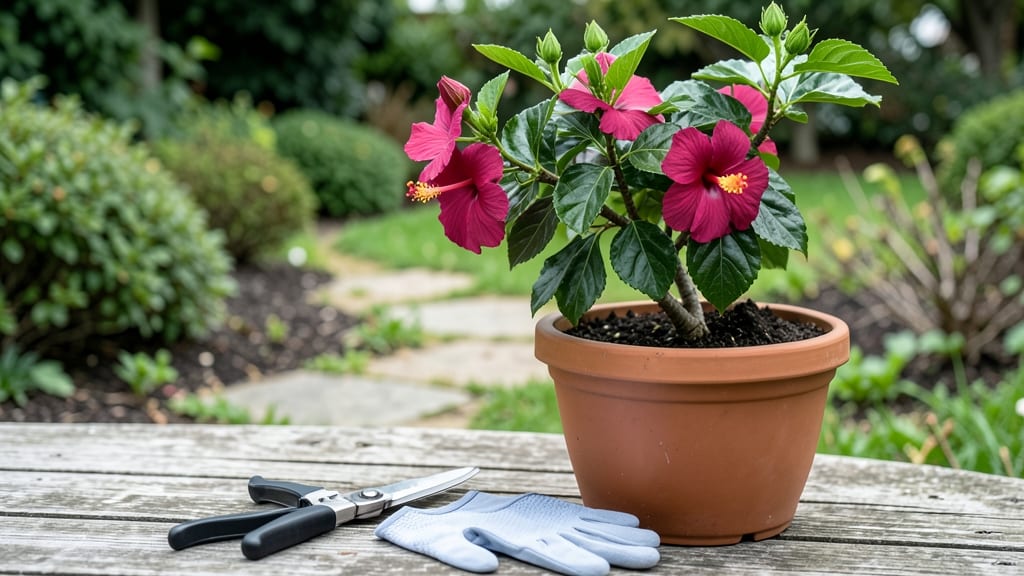
Harvesting hibiscus flowers at the right time keeps them vibrant for weeks instead of days—here’s how to do it without wasting a single bloom.
Picture this: you’ve spent months nurturing your 🌸 hibiscus, and now the flowers are at their peak—but cutting them too early means wilting within hours. Or too late, and you’re left with a sad, droopy mess.
The secret? Timing, tools, and a few pro tricks that turn your garden’s best into long-lasting centerpieces.
You’ll learn the exact morning window to harvest for maximum vase life, which stems to snip (and which to avoid), and how a simple water treatment can add days to your bouquets. No more guessing—just stunning, fragrant hibiscus that stays fresh like you just picked them yesterday.
From Zone 6 gardens to city balconies, these steps work for every hibiscus variety. Ready to turn your harvest into show-stopping arrangements? Let’s get started.
When to harvest hibiscus flowers for peak freshness and longevity
Timing your hibiscus harvest is everything—cut too early, and you get wilted petals; wait too long, and the blooms lose their vibrant color and fragrance. The best time to harvest is early morning, between 6 AM and 8 AM, when the blooms are fully unfurled but still crisp.
This is when their moisture content is highest, ensuring longer vase life. Avoid harvesting after noon, as heat stress can cause premature wilting.
Look for fully open blooms with petals that are bright and unfurled but not yet drying at the edges. A firm stem that stands upright is another key sign—if it bends easily, the flower is overripe.
Overripe hibiscus flowers often show browning edges or drooping petals, which drastically shorten their vase life. These signs mean the flower’s sugar content has peaked, but its structure is degrading.
Weather plays a huge role in harvest success. Harvest on cool, cloudy days to prevent petals from wilting in the heat. If you must harvest on a hot afternoon, trim the stems longer (4-6 inches) and place them in cool water immediately to slow moisture loss.
Rainy days are tricky—avoid harvesting if petals are damp or sticky, as this can promote bacterial growth in your vase.
Some gardeners swear by harvesting every other day during peak bloom season to encourage more flowers. This works best for tropical hibiscus varieties, like Hibiscus rosa-sinensis, which produce continuous blooms.
For hardy hibiscus (e.g., Hibiscus moscheutos), focus on harvesting 2-3 blooms per plant weekly to avoid stressing the plant.
Here’s a quick reference to help you spot the perfect harvest window versus overripe blooms:
| Harvest Stage | Visual Clues | Best Time to Harvest | Vase Life |
|---|---|---|---|
| Bud Stage | Partially open, petals tightly curled | Not ready | 1-2 days (wilts quickly) |
| Fully Open | Petals unfurled, bright color, firm stem | 6-8 AM (early morning) | 7-10 days (peak freshness) |
| Overripe | Browning edges, drooping petals, soft stem | Avoid harvesting | 1-3 days (poor vase life) |
| Post-Bloom | Petals falling, seed pod visible | Not harvestable | 0 days (no vase life) |
Did you know? Hibiscus flowers harvested at dawn can last up to 14 days in a vase with the right care, while those picked in the afternoon may only last 3-5 days.
The difference comes down to cell turgor—the pressure within petal cells that keeps them plump. Morning harvests preserve this turgor longer.
If you’re growing multiple hibiscus varieties, note that some (like Hibiscus syriacus) have shorter vase lives than others. For example, tropical hibiscus often outlasts hardy hibiscus by 2-3 days due to thicker petal structures.
Always harvest the most vibrant blooms first—these are the ones with the highest sugar and moisture reserves.
One common mistake is harvesting flowers with visible damage, like insect holes or chewed edges. These blooms won’t last long in a vase and can even spread bacteria to healthier flowers. Inspect each bloom closely before cutting—discard any with spots, tears, or mold.
For container-grown hibiscus, timing is even more critical because these plants have limited water reserves. Harvest in the morning and water the plant immediately afterward to replenish moisture lost during cutting. This helps the plant recover faster and encourages new blooms to form.
Pro tip: Use a sharp, clean pair of pruners or scissors to make a 45-degree angle cut just above a leaf node. This promotes faster water uptake and reduces stem blockage. Avoid tearing stems, as this shortens vase life by 30-50%.
Step-by-step harvesting method to preserve color and fragrance
Harvesting hibiscus flowers at the right moment ensures they stay vibrant and fragrant for days in a vase. The key lies in precise cutting techniques that prevent bacterial growth and maximize water absorption.
Start by selecting blooms that are fully open but still firm—this is when their color and scent peak.
Using the wrong tools or improper cutting angles can shorten vase life dramatically. A sharp, clean pair of pruning shears or secateurs is essential. Avoid dull scissors, as they crush stems and block water uptake.
The angle and length of your cut also play a critical role in how long your hibiscus blooms last.
Once you've harvested your hibiscus, the next step is preparing them for display. Trim the stems again under running water to remove any air bubbles that may block water uptake. Place them in a clean vase filled with fresh, cool water—this simple step can extend their life by days.
Hibiscus flowers are sensitive to ethylene gas, which accelerates aging. Keep them away from fruits like apples or bananas, and avoid placing them near heat sources or direct sunlight after harvesting.
With these techniques, your hibiscus blooms will maintain their vibrant color and fragrance for up to 7-10 days in a vase.
Remember, the secret to long-lasting hibiscus lies in the details: sharp tools, proper angles, and immediate water storage. Follow these steps, and you'll enjoy stunning hibiscus arrangements that rival fresh-cut flowers from the market.