
Flowers
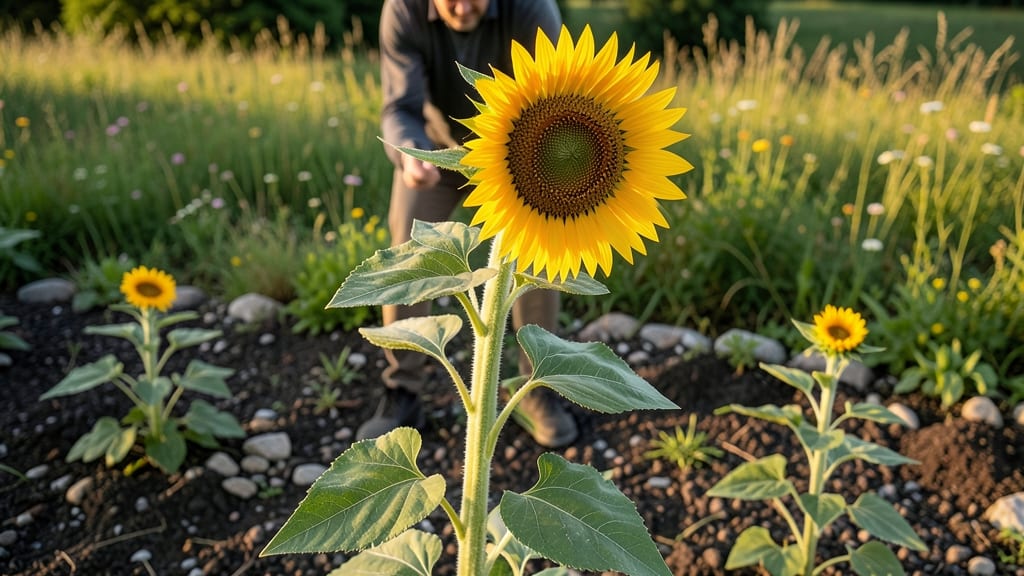
Sunflowers grow anywhere from 1 foot to towering 16 feet tall, depending on the variety you choose—so your garden’s height potential is far bigger than you might think.
If you’ve ever imagined a sunflower 🌻 stretching taller than your fence or a cluster of dwarf varieties spilling over a patio planter, the key is picking the right type for your space.
Some varieties barely brush your knees, while others dwarf two-story buildings—and knowing the difference is the first step to planning a sunflower display that wows.
Whether you’re working with limited space or dreaming of a dramatic focal point, sunflower height varies dramatically between dwarf, semi-dwarf, and giant varieties. The 'Teddy Bear' stays compact at just 3-4 feet, while the 'Russian Giant' can reach 12-16 feet with the right care.
Below, I’ll break down how to match sunflower types to your garden’s layout, sunlight, and support needs so you can grow with confidence.
You’ll also discover how soil, water, and sunlight influence height, plus pro tips for staking tall varieties and maximizing growth in small spaces. By the end, you’ll know exactly which sunflowers fit your vision—and how to help them reach their full potential.

Sunflower height by variety: dwarf to giant types explained
Sunflowers aren't one-size-fits-all—some stay as short as 1 foot while others shoot up to 16 feet or more! The variety you choose determines your garden's vertical potential, from whimsical dwarf types to sky-scraping giants that create dramatic focal points.
Understanding these height ranges helps you plan spacing, support needs, and even container gardening options. Let’s explore the spectrum from pint-sized Teddy Bear varieties to towering Russian Giants that can dwarf your fence line.
For small-space gardens or container growing, dwarf sunflowers (1–3 feet) are ideal. These compact varieties thrive in 5-gallon pots or window boxes, offering vibrant blooms without overwhelming your patio. Meanwhile, standard varieties (3–6 feet) strike a balance, perfect for border plantings or pollinator-friendly meadows.
At the other extreme, giant sunflowers (8–16 feet) demand wide-open spaces and sturdy support—think of them as the skyscrapers of the flower world.
Sunlight is non-negotiable for all varieties, but taller types need full sun exposure (6+ hours daily) to reach their full height potential. Soil fertility also plays a role—rich, well-draining soil packed with compost fuels rapid growth, especially for giants. Watering deeply once weekly (more in extreme heat) ensures sturdy stems that can support their own weight.
Here’s a quick guide to sunflower height ranges, including popular cultivars and their ideal growing conditions:
The 'Teddy Bear' sunflower, a dwarf variety, tops out at just 2–3 feet but packs a punch with double-layered petals in cheerful colors like yellow, orange, and red. These are perfect for children’s gardens or balcony planters, as they rarely need staking.
In contrast, the 'Russian Giant' can reach 12–16 feet, requiring sturdy support (like bamboo stakes or cages) to prevent toppling in wind or rain.
If you’re growing sunflowers for cut flowers, standard varieties like 'Moulin Rouge' (6–8 feet) strike the perfect balance—they’re tall enough for bouquets but not so massive they need a windbreak.
For seed production, giants like 'Mammoth' yield the largest seeds, but they demand plenty of space and may need trellising to avoid flopping over.
Soil fertility is critical for giant sunflowers. Amend your garden bed with aged compost or a balanced fertilizer (10-10-10) at planting, then side-dress with more compost when plants reach 1 foot tall.
Dwarf varieties, however, thrive in average garden soil and don’t require heavy feeding. Over-fertilizing can lead to weak stems, especially in taller varieties.
For container growing, choose dwarf or semi-dwarf varieties and use pots at least 12 inches deep with drainage holes. Place containers in full sun and water consistently, as pots dry out faster than garden beds.
If you’re tempted by giants but lack space, consider espalier training—growing them against a trellis or fence to save horizontal space while still achieving dramatic heights.
Remember, sunflower height isn’t just about aesthetics—it also impacts pollination. Taller varieties attract more bees and birds, supporting your garden’s ecosystem. However, giants may require hand-pollination in windy areas to ensure seed set.
For a low-maintenance approach, dwarf or semi-dwarf types are your best bet—they bloom reliably and rarely need extra care beyond regular watering.
Whether you’re aiming for a whimsical cottage garden or a statement-making focal point, choosing the right sunflower height sets the stage for success. Start with dwarf varieties to test your growing conditions, then graduate to taller types as you gain confidence.
With the right variety and care, your sunflowers will reach for the sky—literally!
How sunflower height affects garden planning and support needs
Sunflower height isn’t just about aesthetics—it directly impacts your garden’s layout, sunlight access, and even pest management. A 16-foot giant needs completely different planning than a 3-foot dwarf, from spacing to staking.
Tall varieties like 'Russian Giant' demand 3-4 feet of spacing between plants to prevent crowding, while dwarf types like 'Teddy Bear' can thrive in 12-inch pots on a balcony. Understanding these needs helps you avoid overcrowding, which can stunt growth or invite pests like aphids.
Sunlight requirements also shift with height. Giant sunflowers need full sun (6+ hours daily) to reach their maximum potential, while shorter varieties can tolerate partial shade if grown in containers.
Placing taller varieties in the south-facing part of your garden ensures they get the light they crave, while shorter types can brighten shadier corners. This strategic placement maximizes both growth and visual impact.
- Spacing: 12-inch for dwarfs, 3-4 feet for giants to prevent disease and maximize sunlight.
- Staking: Tall varieties (8+ feet) need bamboo stakes or tomato cages in windy areas to avoid toppling.
- Pollination: Shorter sunflowers (3-5 feet) attract more bees efficiently, boosting seed production.
- Pest Control: Tall varieties are harder for pests like slugs to reach, reducing damage risks.
- Wind Resistance: Giant sunflowers (10+ feet) need staking or mulching to prevent breakage in storms.
- Container Growth: Dwarf varieties (3 feet) thrive in 5-gallon pots with proper drainage.
Support needs vary dramatically based on height. Tall sunflowers (8+ feet) often require staking or trellising to prevent them from snapping in wind or rain. I recommend using bamboo stakes or soft plant ties to secure stems without damaging them.
For varieties like 'Mammoth', which can reach 12 feet, a sturdy cage or wooden post works best. Even shorter varieties may need light support if grown in containers, where wind can rock them more easily.
Height also affects pollination efficiency. Shorter sunflowers (3-5 feet) are easier for bees to access, leading to better seed production. If you’re growing sunflowers for birdseed, consider planting a mix of heights to ensure all flowers get pollinated.
Giant varieties might need a little extra help from you—gently shaking the stems on calm days can encourage cross-pollination. This small effort can mean the difference between a bountiful harvest and sparse seeds.
Pest management becomes simpler with taller varieties. Slugs and snails, for example, struggle to reach the upper leaves of sunflowers over 6 feet tall, reducing damage risks. However, shorter varieties are more vulnerable to aphids and leaf miners, so I recommend monitoring them closely.
Using neem oil or row covers can protect dwarf sunflowers without harming beneficial insects. For tall varieties, focus on soil health—healthy roots make plants more resilient to pests.
If you’re working with limited space, don’t let sunflower height limit your dreams. Dwarf varieties like 'Sunspot' (2-3 feet) are perfect for balconies or small gardens, while 'ProCut' (5-6 feet) is ideal for cutting gardens.
For a vertical display, try growing taller varieties along a fence or trellis, training them to climb with gentle ties. Even in small spaces, you can create a stunning sunflower display by choosing the right height and support system.