
Light Requirements
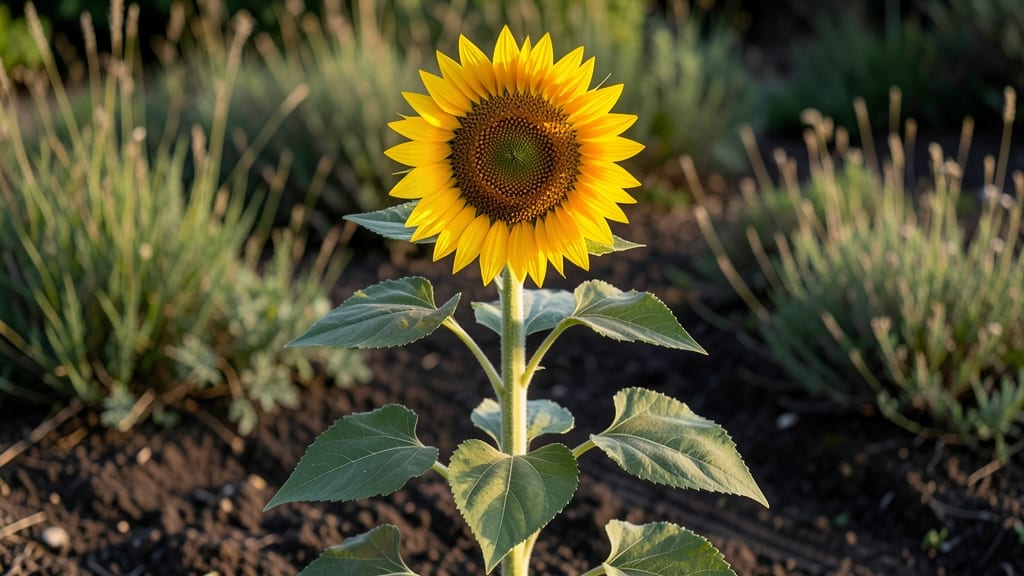
Sunflowers need at least 6 to 8 hours of direct sunlight daily to meet their sunflower sunlight requirements and grow their iconic towering stalks 🌻 — without it, they’ll stretch thin and weak, no matter how much you water them.
If your sunflowers are wilting before they reach their full potential, it’s likely their sunlight needs aren’t being met. These plants are sun-worshippers, and cutting corners on light means missing out on those 10-foot giants you planted for.
Most gardeners assume partial shade is fine, but sunflowers in low-light spots often grow leggy, produce fewer blooms, and struggle to support their own weight. The good news? With the right placement and a few simple tricks, you can give them the full sun they crave—even in less-than-ideal spots.
Below, I’ll break down exactly how much sunlight sunflowers need at each growth stage, how to spot sunlight deficiency early, and which varieties handle partial shade best. By the end, you’ll know how to position your sunflowers for maximum height and beauty.

How much sunlight do sunflowers need per day?
Sunflowers are nature's sun-seekers, and their sunlight requirements are non-negotiable for those iconic towering stalks and vibrant blooms. While they're famously full-sun plants, their needs shift dramatically from sprouting to flowering. Understanding these stages helps you provide the perfect light exposure for each phase of growth.
At the sprouting stage, young sunflower seedlings need gentle but consistent light—just 4-6 hours of direct sunlight daily is sufficient. This prevents leggy growth while they establish roots.
As they transition into the budding stage, their appetite for sunlight increases to 6-8 hours per day, fueling rapid stem elongation and leaf development.
Here’s a quick reference for their sunlight needs by growth stage, including how to measure exposure accurately:
Measuring sunlight accurately is easier than you think. A sunlight tracker app (like Sun Surveyor) can map your garden’s light exposure, but you can also use a DIY shadow test.
Place a stake in your garden at noon—if the shadow is shorter than the stake’s height, you’ve got full sun. For partial shade, shadows will be longer, signaling reduced light.
In northern climates, where sunlight is less intense, aim for the southernmost part of your yard. If your garden lacks direct sun, consider container gardening near a south-facing window or use grow lights for seedlings.
Even 6 hours of morning sun plus 2 hours of afternoon sun can work, but avoid hot afternoon shade, which stresses plants.
One common mistake is assuming bright indirect light equals full sun. Sunflowers need direct rays—their leaves will lean toward the sun if deprived. If you notice this heliotropism, it’s a clear sign to relocate your plants to a sunniest spot in your garden.
For urban gardeners with limited space, dwarf varieties like 'Teddy Bear' tolerate partial shade better but still thrive with at least 5 hours of sun. Meanwhile, giant varieties like 'Russian Giant' demand full sun to reach their 12-foot+ height.
Always match your sunflower variety to your garden’s light conditions for the best results.
Pro tip: If your sunflowers are bolting too early (sending up tall stems without blooming), they’re likely starved for sunlight. Move them immediately to a sunniest location and watch them rebound with vigor.
With the right light exposure, your sunflowers will reward you with bold blooms and towering beauty.
🌻
Signs your sunflowers aren’t getting enough sunlight (and how to Fix it)
Sunflowers are the divas of the garden—demanding and unapologetic about their sunlight requirements. When they don’t get enough, they’ll send you clear signals through their growth habits. The most obvious clue is leggy, weak stems that stretch painfully toward any available light source, often bending or flopping over.
This happens because your sunflowers are desperate to reach the sun, but their structural integrity weakens without proper support.
Another red flag is pale, yellowish leaves that lack the deep green vibrancy of healthy foliage. Sunflowers need intense sunlight to produce chlorophyll efficiently, so insufficient light leads to a dull, almost sickly appearance.
You might also notice smaller-than-average blooms or flowers that fail to open completely, leaving your sunflowers looking half-hearted and underwhelming. Even the seed heads may develop poorly, producing fewer seeds or none at all.
If your sunflowers are blooming later than expected—or not at all—this is another classic sign of light deprivation. Sunflowers typically flower within 70-90 days of planting, but shade can delay this process by weeks.
You might also see excessive leaf growth at the expense of flowers, as the plant prioritizes foliage to capture whatever light it can.
Sunflowers require 6+ hours of direct sunlight daily. Without it, they’ll:
- Stretch unnaturally (leggy growth)
- Develop weak stems (prone to snapping)
- Produce pale leaves (chlorophyll deficiency)
- Delay or skip flowering (no blooms)
Fix it now: Move plants to sunnier spots, use reflective mulch, or choose low-light sunflower varieties like 'Teddy Bear.'
To diagnose the issue, observe your sunflowers during peak sunlight hours. If nearby plants (like tomatoes or marigolds) are thriving while yours are struggling, your location is likely the culprit. North-facing gardens or shaded spots under trees are common culprits.
Even partial shade—like 4-6 hours of sun—can stunt growth, though some dwarf varieties tolerate it better. If you’re in an apartment with a south-facing window, your sunflowers might still suffer if the window is small or obstructed.
Fortunately, fixing a sunlight deficiency is easier than you think. Start by relocating your sunflowers to the sunniest spot in your garden, even if it means moving them temporarily.
If your yard lacks full sun, try using reflective surfaces like white gravel, mirrors, or even aluminum foil wrapped around containers to bounce extra light onto your plants. For container gardeners, place pots on elevated stands or near walls that reflect sunlight.
If all else fails, opt for shade-tolerant sunflower varieties like 'Autumn Beauty' or 'Moulin Rouge,' which handle partial shade slightly better than their towering cousins.
Remember, sunflowers are resilient once their needs are met. With the right adjustments, you’ll see stronger stems, vibrant blooms, and those iconic giant sunflower faces reaching for the sky—just as nature intended. Don’t let shade steal your sunflower dreams! 🌻