
Flowers
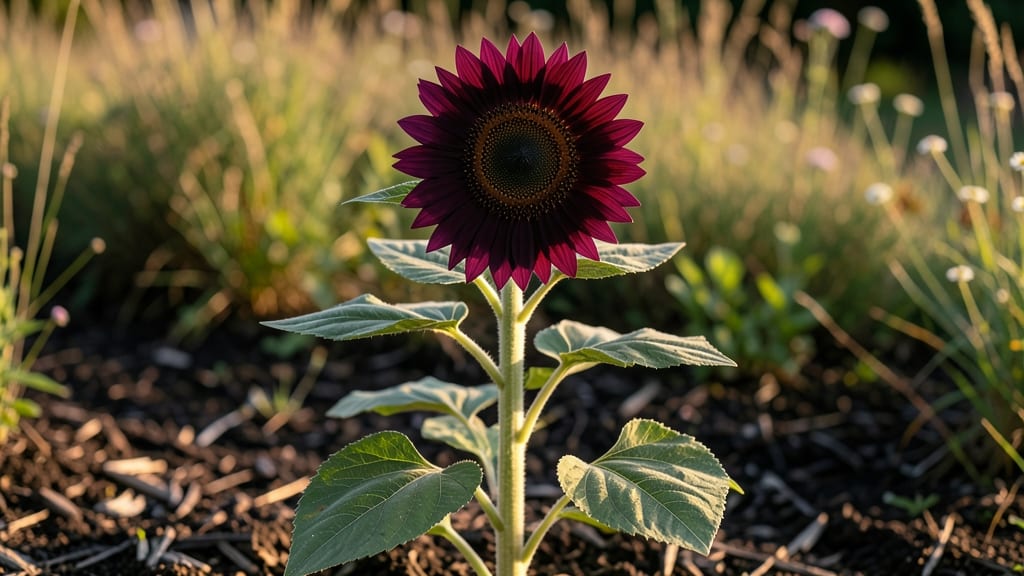
Purple sunflowers grow between 3 and 15 feet tall, depending on the variety and growing conditions — a range that can turn your garden into a stunning vertical display.
If you're dreaming of vibrant purple blooms towering over your garden but aren't sure which purple sunflower varieties to plant, you're not alone. Height can make or break your landscaping plans, and these striking flowers aren't just beautiful—they can transform any outdoor space.
From dwarf varieties perfect for containers to towering giants that reach 10 feet or more, there's a purple sunflower for every garden size. The key is choosing the right type for your space and providing the support they need to thrive.
Below, I’ll break down the height ranges of popular varieties, share tips for controlling or maximizing growth, and help you pick the perfect purple sunflower for your garden design.

Purple sunflower varieties and their maximum heights: a complete guide
If you're planning a garden filled with purple sunflowers, understanding their maximum heights is key to creating the perfect visual impact. These stunning blooms come in a range of sizes, from compact dwarf varieties to towering giants that can reach 12 feet or more.
The right choice depends on your garden layout, available space, and design goals—whether you want a dramatic focal point or delicate accents along pathways.
Sunflower height is primarily determined by genetics, but growing conditions like soil fertility, sunlight exposure, and water availability also play a role.
For example, 'Moulin Rouge', a popular purple variety, typically grows between 5 and 7 feet, while 'Black Oil Sunflower' can soar to 10 feet or taller under ideal conditions. Let’s explore the most striking purple sunflower varieties and their mature heights.
Below is a detailed comparison of purple sunflower varieties and their maximum heights, including dwarf, medium, and giant options. This guide will help you select the perfect variety for your garden, whether you're working with limited space or aiming for a grand, sunflower-filled statement.
For gardeners with limited space, dwarf purple sunflowers like 'Teddy Bear' are ideal. These varieties typically reach 2 to 4 feet and thrive in containers or small garden beds. Their compact size makes them perfect for balconies, patios, or window boxes, where taller varieties might overwhelm the space.
If you're aiming for a dramatic visual impact, consider tall purple sunflowers like 'Black Oil Sunflower'. These giants can grow 10 to 12 feet tall, making them perfect for creating a striking backdrop or focal point in your garden.
However, their height means they’ll need staking or support to prevent them from toppling over in windy conditions.
Growing conditions significantly influence sunflower height. For example, rich, well-draining soil and full sun exposure (at least 6 to 8 hours daily) encourage taller growth. Conversely, poor soil or shade can stunt growth, resulting in shorter stems. If you're growing
How to maximize or control purple sunflower height for your garden
Want to grow purple sunflowers that reach sky-high or stay compact for containers? The secret lies in your approach—whether you're aiming for 10-foot giants or 2-foot dwarfs, these techniques will help you control their height.
Purple sunflowers like Moulin Rouge naturally grow between 3-6 feet, but with the right care, you can push them taller or keep them small. Let’s explore how to shape their growth to fit your garden vision.
To encourage taller growth, focus on three key factors: soil nutrition, proper spacing, and supportive staking. Tall sunflowers need room to stretch, so avoid overcrowding and provide nutrient-rich soil with compost or a balanced fertilizer.
For compact growth, prune early, use containers, or choose dwarf varieties. Both methods require patience and consistent care, but the results will transform your garden’s vertical appeal.
- 🌱 Soil Prep: Amend soil with compost for 6-12 inch deep nutrient-rich base to fuel growth.
- 💧 Watering: Keep soil consistently moist (not soggy) during first 6 weeks to support stem strength.
- ☀️ Sunlight: Provide 6+ hours daily of full sun to maximize photosynthesis and height.
- ✂️ Pruning: Pinch back top buds at 12 inches to encourage bushier, shorter growth.
- 🪴 Containers: Use 10+ gallon pots for dwarf varieties to limit root expansion.
For taller purple sunflowers, plant seeds 6 inches apart in rows spaced 18-24 inches apart to prevent competition. Use bamboo stakes or tomato cages to support stems as they grow, especially if you’re aiming for 8+ feet.
Avoid over-fertilizing with nitrogen, as this promotes leafy growth over height. Instead, use a balanced 10-10-10 fertilizer every 4-6 weeks to encourage strong, upright stems.
If you prefer shorter sunflowers, opt for container gardening or dwarf varieties like 'Teddy Bear' (2-3 feet). Prune the main stem just above a side bud when the plant reaches 12 inches to promote bushier growth.
This method works well for balcony gardens or small yards, where vertical space is limited. Mulch around the base to retain moisture and reduce stress on the plant.
Common mistakes that stunt growth include overcrowding, poor drainage, and inconsistent watering. Avoid planting seeds too closely, as this leads to weak, leggy stems. Ensure your soil drains well to prevent root rot, and water deeply once a week (more in extreme heat).
If your sunflowers start leaning, gently tie them to stakes to prevent breakage. With these adjustments, you’ll achieve the perfect height for your garden’s needs.
Timing is everything when it comes to height control. Plant seeds after the last frost in spring (April-May in most zones) for optimal growth. If you’re growing in containers, start seeds indoors 4-6 weeks before the last frost.
For taller varieties, give them 8-10 weeks to mature before harvesting or enjoying their blooms. Monitor their progress and adjust care as needed—your purple sunflowers will thrive with the right balance of space, nutrients, and support.