
Flowers
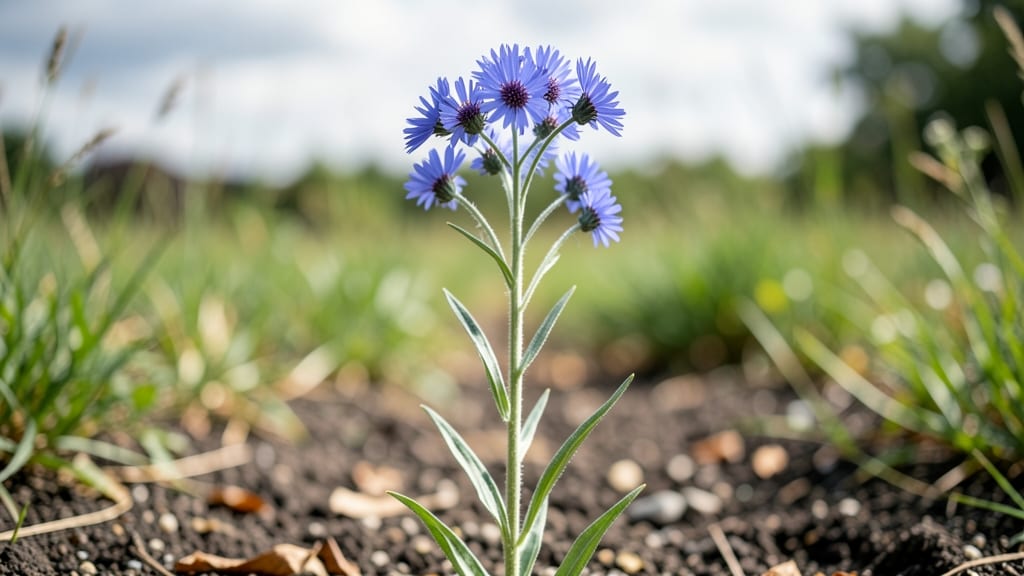
Cornflowers grow between 1 and 4 feet tall, depending on the variety and growing conditions, making them a versatile choice for borders, cut flowers, or cottage-style gardens.
If you're dreaming of vibrant blue blooms that add height and drama to your garden, understanding cornflower growth habits is your first step to success.
Some varieties stay compact at just 12 inches, perfect for front-of-the-border plantings, while others reach towering heights of 36 inches or more, ideal for backdrops or mixed bouquets.
Below, I’ll break down the height ranges by variety, share tips for controlling growth, and show you how to pair them with other plants for a stunning seasonal display.

Cornflower height by variety: dwarf to giant types explained
If you love the classic blue cornflower but want to mix heights in your garden, you’re in luck! Cornflowers (Centaurea cyanus) come in a stunning range of sizes, from dwarf varieties perfect for borders to tall giants that make dramatic focal points.
Knowing these height differences helps you plan garden layouts that balance color and structure. Let’s explore the most popular varieties and their mature heights.
Cornflowers are annual flowers in most climates, meaning they complete their life cycle in one season. However, some perennial cornflower varieties (like Centaurea montana) return year after year, adding long-term value to your garden.
Whether you’re planting for cut flowers, pollinators, or simply beauty, choosing the right height ensures your garden thrives without overcrowding.
Below is a detailed breakdown of 12+ cornflower varieties, their typical heights, and the best ways to use them in your garden design. From 1-foot dwarfs to 4-foot giants, there’s a cornflower for every space!
| Variety | Height Range | Growth Habit | Best For | |||||||||||||||||||||||
|---|---|---|---|---|---|---|---|---|---|---|---|---|---|---|---|---|---|---|---|---|---|---|---|---|---|---|
| 'Black Ball' | 12–18" | Compact, bushy | Containers, borders | |||||||||||||||||||||||
| 'Little Lantern' | 12–15" | Dwarf, rounded | Rock gardens, window boxes | |||||||||||||||||||||||
| 'Blue Boy' | 18–24" | Semi-dwarf, upright | Cut flowers, cottage gardens | |||||||||||||||||||||||
| 'Moonlight' | 24–30" | Medium, branching | Mixed borders, pollinator gardens | |||||||||||||||||||||||
| 'Blue Bonnet' | 30–36" | Tall, sturdy stems | Back of borders, cut arrangements | |||||||||||||||||||||||
| 'Cascade Blue' | 36–48" | Sprawling, trailing | Hanging baskets, trellises | |||||||||||||||||||||||
| 'Perennial Cornflower' (Centaurea montana) | 18–24" | Clumping, perennial | Perennial borders, long-term color | |||||||||||||||||||||||
| 'Ruby Wedding' | 24–30" |
How to choose cornflower heights for your garden layoutCornflowers (Centaurea cyanus) offer incredible height diversity, from delicate dwarf varieties to towering tall bloomers. When planning your garden, strategic height placement creates stunning visual layers and prevents overcrowding. The key is pairing cornflower heights with complementary plants that enhance their natural structure while filling gaps in your design. Start by assessing your garden's existing height zones. Most landscapes have three natural tiers: ground level (0-12 inches), mid-height (12-36 inches), and tall backdrop (36+ inches). Cornflowers can occupy all three zones depending on the variety, making them incredibly versatile for vertical garden planning. For example, 'Thumbelina Blue' (12-18 inches) works perfectly in front borders, while 'Black Ball' (36-48 inches) anchors the back. Color contrast is another powerful tool when pairing cornflowers. Their signature vibrant blue blooms pair beautifully with warm yellows (like coreopsis) or deep purples (like salvia). For a seasonal blooming strategy, combine early-blooming dwarf varieties with late-season tall types to extend your garden's color palette from spring through fall.
🌸 Pro Tip: Group cornflowers by height in odd-numbered clusters for natural, flowing garden lines. For cut flower arrangements, prioritize tall varieties like 'Black Ball' or 'Blue Bouquet' as focal points. Pair them with medium-height fillers like cosmos or statice to create balanced bouquets. In container gardens, use dwarf varieties in the front and semi-dwarf types in the back to maximize vertical space without overwhelming small pots. Consider your garden's light conditions when selecting heights. Tall cornflowers need full sun to reach their maximum potential, while dwarf varieties can tolerate partial shade. If your garden has shady spots, opt for shorter, bushier types like 'Moonlight' that won't flop under less sunlight. Don't forget to plan for seasonal succession. Early bloomers like 'Carmen' (18-24 inches) will fade by mid-summer, so pair them with late-season varieties like 'Blue Bouquet' (24-30 inches) that bloom through fall. This creates a continuous color show while maintaining your garden's height structure throughout the season. Finally, remember that cornflower stems are sturdy but can benefit from light staking in windy areas. For wind-resistant designs, place taller varieties on the leeward side of your garden where they'll receive protection from breezes. With these height strategies, your cornflowers will become the star vertical elements of your garden layout. |