
Watering
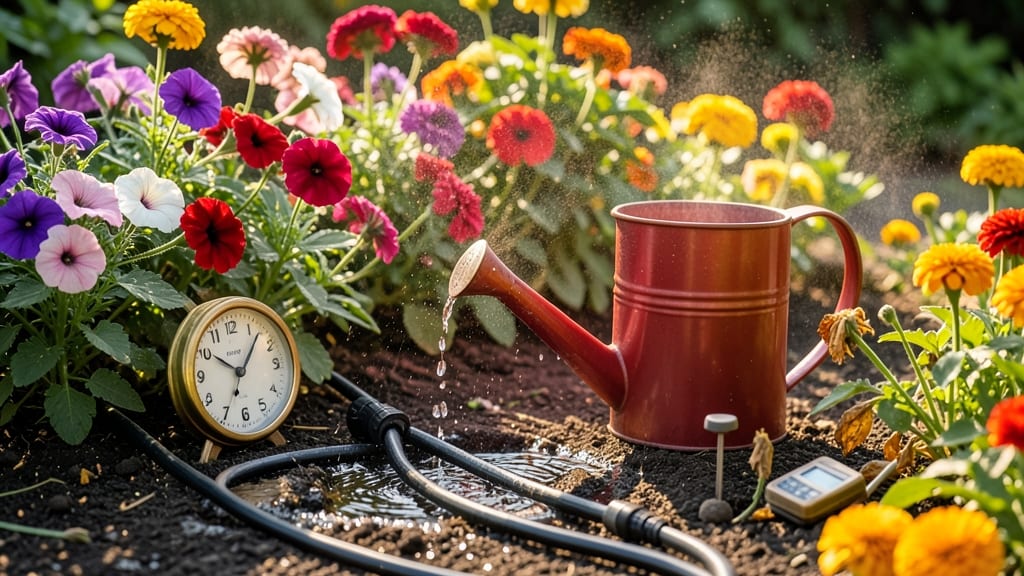
Struggling to keep your garden thriving? Many gardeners drown their flowers by sticking to a rigid schedule, ignoring the soil’s thirst signals or the weather’s mood swings. The secret isn’t a one-size-fits-all rule—it’s reading your plants and the environment.
In Zone 6a, where spring blooms start in March and summer heat arrives by May, your watering routine shifts dramatically. What works for drought-resistant lavender won’t save your thirsty petunias, and a downpour can turn your careful schedule into a guessing game.
Here’s how to master the rhythm: check soil moisture with your finger (or a meter), watch for wilted leaves or crispy edges, and adjust for rain. By the end, you’ll know exactly when to water—without wasting a drop or watching your flowers wilt.
The ideal watering frequency for outdoor flowers by season
Finding the perfect watering schedule for your outdoor flowers can feel like solving a puzzle—too much water drowns roots, while too little leaves plants wilting. The truth? Watering needs change dramatically with the seasons, so adjusting your routine is essential.
Spring brings gentle rain and warming soil, while summer demands frequent hydration to combat scorching heat. Let’s break down the ideal watering frequency for each season, including soil checks and environmental factors to keep your blooms thriving year-round.
Your first step is understanding that seasonal watering isn’t one-size-fits-all. A rosemary bush in summer might need daily watering, while the same plant in winter could survive on a sip every two weeks.
The key is monitoring soil moisture, temperature shifts, and rainfall patterns—not just sticking to a rigid schedule. Below, we’ll cover how to adapt your watering routine for each season, plus tips to avoid common mistakes like overwatering or underwatering.
| Season | Watering Frequency | Best Time to Water | Soil Check | Environmental Factors |
|---|---|---|---|---|
| Spring | Every 3-4 days | Morning (6-9 AM) | 1-2 inches deep | Moderate temps, occasional rain |
| Summer | Daily or every other day | Early morning (before 10 AM) | Top 1-3 inches dry | High heat, drought risk |
| Fall | Every 5-7 days | Morning or late afternoon | 2-3 inches deep | Cooler temps, less evaporation |
| Winter | Bi-weekly (every 2 weeks) | Mid-morning (if no frost) | 3-4 inches deep | Cold temps, minimal growth |
Spring is the season of transition, where your flowers wake up from dormancy and start actively growing. Aim to water every 3-4 days, but always check the top 1-2 inches of soil before watering.
If it feels damp, hold off—spring showers often provide enough moisture. Morning watering is ideal because it reduces evaporation and gives plants time to absorb water before the sun peaks. Mulch around your flowers to retain moisture and regulate soil temperature.
Summer is the most demanding season for watering, especially in USDA Zone 6a where temperatures can soar. Most outdoor flowers need water daily or every other day, depending on heat levels. The early morning is critical—watering at night can lead to fungal issues like powdery mildew.
For container plants, they dry out faster, so check soil moisture daily. If your flowers start wilting by midday, it’s a sign they need more frequent watering. Drip irrigation or soaker hoses are perfect for deep, slow watering that mimics natural rain.
Fall slows down plant growth, but don’t assume your flowers need less water. Every 5-7 days is a good rule of thumb, but monitor soil moisture closely.
Cooler temperatures mean water evaporates slower, so you can stretch out your watering intervals. Late afternoon watering works in fall, but avoid watering if frost is forecasted—wet leaves can freeze and damage plant tissue. This is also a great time to mulch heavily to protect roots from temperature swings.
Winter watering is often overlooked, but bi-weekly watering keeps roots hydrated during dormancy. Most flowers enter a resting phase, so they need minimal moisture. Check soil moisture by inserting your finger 3-4 inches deep—if it’s dry, water lightly.
Avoid watering if the ground is frozen or temperatures are below 32°F. Evergreen flowers like pansies or hellebores may need slightly more water, while perennials like peonies can survive with almost none.
Remember, these are general guidelines—your local climate plays a huge role. If you live in a humid region, you might water less frequently, while arid climates require more frequent deep watering.
Always prioritize soil moisture checks over rigid schedules, and adjust based on your flowers’ specific needs. With this seasonal approach, your outdoor flowers will stay vibrant, healthy, and full of life year-round.
How to tell when your flowers need water (without guessing)
Watering your outdoor flowers can feel like a guessing game—too much or too little, and your plants suffer. The key to thriving blooms lies in understanding when (not just how much) to water.
Instead of sticking to a rigid schedule, learn to read your plants' signals and soil conditions. This approach saves time, prevents waste, and keeps your garden lush and vibrant.
Most gardeners make the mistake of watering based on time (e.g., "every other day") rather than need. Flowers like marigolds or petunias may wilt dramatically when thirsty, while others like lavender tolerate drought better.
By mastering a few simple checks, you’ll avoid both overwatering (which causes root rot) and underwatering (which stunts growth).
⚠️ Warning: Overwatering Kills More Flowers Than Drought!
Outdoor flowers typically need watering every 3-5 days in summer, but this varies by soil type, plant variety, and weather. Sandy soil drains faster than clay, so check moisture 1-2 inches deep—this is where roots actively absorb water.
A quick test: Stick your finger into the soil; if it feels dry, it’s time to water. If it’s damp, wait another day.
Start by examining the leaves and stems of your flowers. Wilted leaves that don’t perk up after a few hours of water are a clear sign of thirst. However, some plants (like succulents or drought-tolerant perennials) naturally droop in the heat—so don’t water immediately.
Instead, wait until the soil is dry and the plant stays limp even in the evening. For most annuals and perennials, morning wilting that recovers by afternoon is normal, but evening wilting means your flowers need water.
Tools like a moisture meter ($10-$20 at garden centers) take the guesswork out of watering. Insert the probe 2-3 inches deep into the soil near the plant’s base. Readings below 30% moisture signal it’s time to water.
For a free alternative, use the finger test: Push your index finger into the soil. If it feels dry past your first knuckle, your flowers are ready for a drink. This method works best in well-draining soil—if your soil stays soggy, you’re overwatering.
Pay attention to the color and texture of leaves. Yellowing leaves can indicate overwatering (especially if they’re mushy), while brown, crispy edges often mean underwatering. Some flowers, like hydrangeas, also show stress by dropping buds.
If you notice these signs, adjust your watering immediately. Mulching around your plants (with 2-3 inches of straw or shredded leaves) helps retain moisture and regulates soil temperature, reducing how often you need to water.
Finally, adapt your watering routine to the season and weather. In summer, you might water daily during heatwaves, while fall and spring often require watering every 5-7 days. Always water deeply—aim for 1 inch of water per week—to encourage strong root growth.
Early morning is the best time to water, as it reduces evaporation and fungal diseases. By tuning into your plants’ needs, you’ll cultivate a garden that’s resilient, beautiful, and low-maintenance.