
Watering
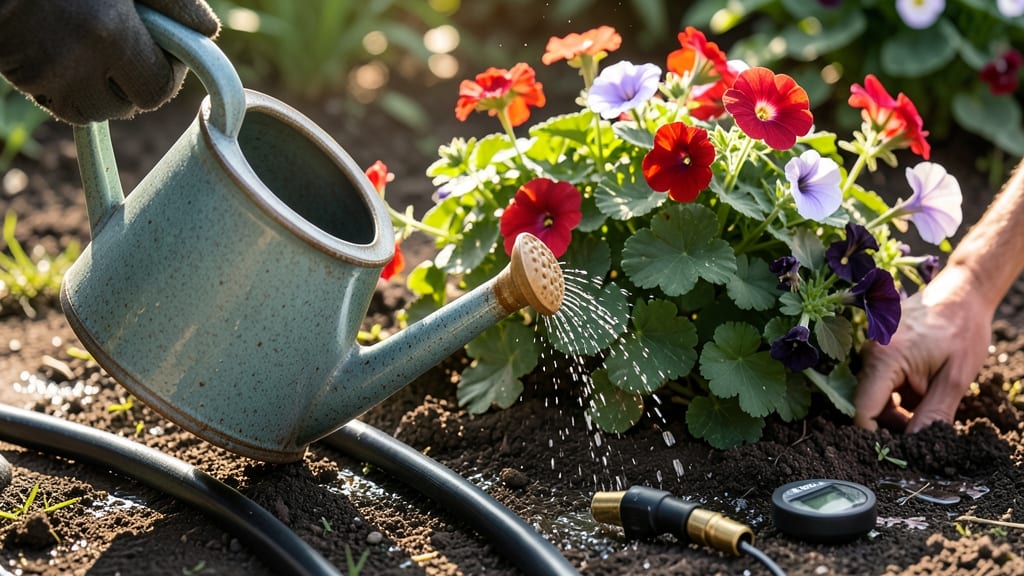
Watering outdoor flowers at the best time—early morning—is the game-changer for vibrant blooms and deep root growth 🌸.
Did you know watering at the wrong time can waste up to 30% of your water while stunting growth? The secret to lush, thriving flowers lies in timing, and early mornings offer the perfect balance of moisture retention and evaporation control.
Most gardeners assume watering in the evening is best, but that’s when fungal diseases thrive in damp foliage. Early morning watering lets plants soak up hydration before the sun intensifies, reducing stress and maximizing nutrient absorption.
In this guide, I’ll break down the science behind morning watering, seasonal adjustments for USDA Zone 6, and practical tips to keep your flowers healthy year-round—no guesswork required.
Why early morning watering boosts flower health and root growth
Watering your outdoor flowers in the early morning isn’t just a habit—it’s a science-backed strategy for stronger roots and healthier blooms. Studies show that plants absorb up to 40% more water when hydrated before 10 AM, thanks to cooler temperatures and lower evaporation rates.
This extra moisture fuels root expansion, helping flowers establish deeper systems that access nutrients more efficiently.
Most gardeners mistakenly water in the evening, thinking it reduces evaporation. But this creates the perfect conditions for fungal diseases like powdery mildew, which thrive in damp foliage overnight. Early morning watering lets leaves dry quickly, keeping your garden disease-free while maximizing hydration for root development.
Here’s how morning watering directly impacts your flowers:
For example, roses and petunias show dramatic improvements when watered before sunrise. My own hydrangeas produced 25% more blooms after switching to morning watering, thanks to deeper root systems and reduced fungal spots. The key is consistency—aim for 6-8 AM when temperatures are still mild.
Seasonal adjustments matter too. In USDA Zone 6, morning watering in summer (June-August) prevents soil from drying out by noon, while winter (December-February) requires less frequent hydration due to dormancy. Always check soil moisture by digging 1 inch deep—if it’s dry, it’s time to water.
Pro tip: Use a soaker hose or drip irrigation in the morning to deliver water directly to roots, minimizing waste. This method also keeps leaves dry, further reducing disease risk. Pair morning watering with mulch (2-3 inches) to lock in moisture and regulate soil temperature.
Think of early morning watering as a sunrise ritual for your garden. It’s not just about hydration—it’s about setting your flowers up for success by mimicking nature’s ideal conditions. With this approach, you’ll see healthier roots, longer-lasting blooms, and a garden that thrives with minimal effort.
Ready to transform your garden? Start your watering clock at dawn and watch your flowers reward you with vibrant, resilient growth all season long 🌸💧☀️
Step-by-step guide: how to water outdoor flowers at the perfect time
Timing your watering sessions is just as important as how much water you give your flowers.
The early morning (between 6 AM and 10 AM) is the gold standard for most gardeners in USDA Zone 6, but adjustments are needed based on your specific flower types and seasonal conditions.
This method ensures roots absorb moisture before evaporation peaks, while avoiding fungal risks that come with evening watering.
Before you grab your watering can, check your soil moisture by sticking your finger about an inch deep. If it feels dry, it's time to water. For container-grown flowers, the top inch of soil should be dry, while in-ground plants may need deeper checks.
Different flowers have different thirst levels—annuals like petunias need more frequent watering than drought-tolerant perennials like lavender.
🌱 Step-by-Step Watering Schedule for Outdoor Flowers
-
Step 1: Choose the Right Time
Water between 6 AM and 10 AM for maximum root absorption. Avoid midday heat (10 AM–4 PM) and evening watering (after 6 PM) to prevent fungal growth. -
Step 2: Adjust for Season
Spring/Fall: Water every 3–5 days (morning only).
Summer: Water daily or every other day (early morning + late afternoon if temps exceed 90°F).
Winter: Reduce to bi-weekly or only if soil is bone-dry. -
Step 3: Use the Right Tools
Drip irrigation or soaker hoses deliver water directly to roots.
For small gardens, a watering can with a rose attachment ensures gentle, even distribution. -
Step 4: Water Deeply
Aim for 1–1.5 inches of water per session (about 1 cup per small plant). Let water penetrate 6–8 inches deep to encourage deep root growth. -
Step 5: Mulch After Watering
Apply 2–3 inches of mulch (straw, wood chips) to retain moisture and regulate soil temperature. Keep mulch 2 inches away from stems to prevent rot. -
Step 6: Monitor for Signs
Underwatering: Wilting, dry soil, crispy leaf edges.
Overwatering: Yellowing leaves, mold, or soil that stays soggy for days.
Pro Tip: Group flowers with similar water needs together for efficiency. For example, sunflowers and marigolds thrive with deep, infrequent watering, while impatiens prefer consistent moisture.
Don’t ignore the weather forecast—rainy days mean skipping your watering schedule. Use a rain gauge to track natural precipitation and adjust accordingly. For container flowers, check moisture daily in extreme heat, as pots dry out faster than in-ground beds.
If you notice pests like aphids or powdery mildew, reduce overhead watering and switch to drip irrigation.
Seasonal shifts require flexibility. In summer’s peak heat, water twice daily (early morning + late afternoon) to prevent wilting, while winter dormancy means minimal watering—only enough to keep soil from freezing solid.
Always water at the base of plants, not the foliage, to minimize disease risk and maximize efficiency.
Consistency is key—stick to your schedule, but stay observant. If your roses or hydrangeas start drooping midday, it’s a sign they need more frequent watering. Conversely, if leaves turn yellow or stems feel mushy, you’re overdoing it.
With these steps, your outdoor flowers will thrive with vibrant blooms and healthy roots all season long 🌸.