
Flowers
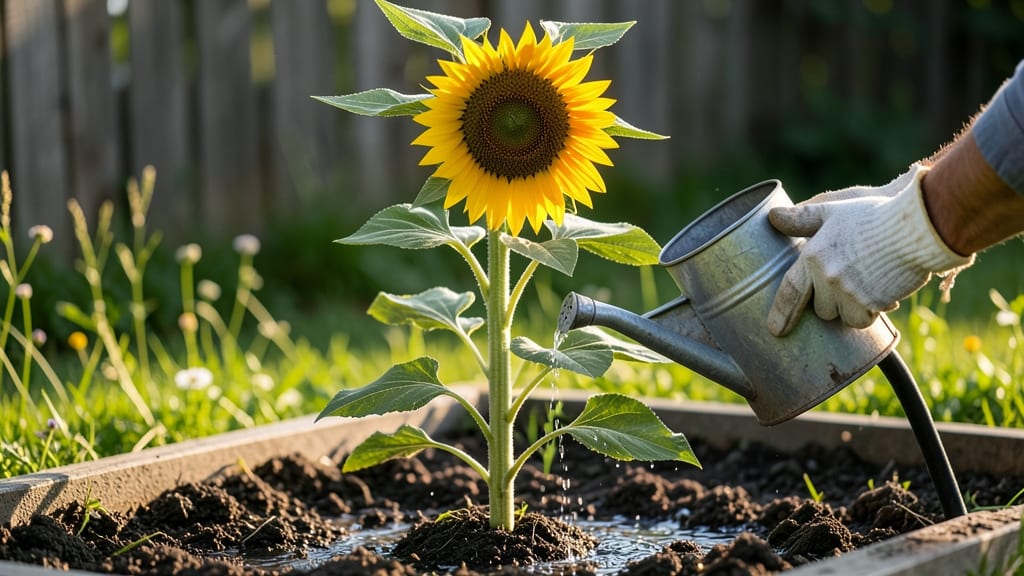
To keep sunflowers how often do sunflowers need to be watered properly, water them once a week when seedlings first emerge, then adjust as they grow taller—too much or too little can stunt their towering potential.
Sunflowers are the towering stars of summer gardens—but their massive stems and vibrant blooms require a precise watering schedule to thrive. Get it wrong, and you risk stunted growth or floppy stems, even if you’ve planted the perfect seeds.
Most gardeners assume sunflowers are low-maintenance, but their deep roots and rapid growth mean consistency is key. A simple soil-dry test—checking moisture 2 inches down—tells you exactly when to water, saving you from over- or underwatering mistakes.
Below, I’ll break down the exact watering schedule by growth stage, how to spot signs of stress, and the best times to water for those sunny, sturdy stems you’ve always dreamed of.
The soil-dry test: how often sunflowers need watering by growth stage
Sunflowers might look like they’re built to survive anything, but their towering growth and vibrant blooms depend on consistent moisture—especially during critical stages. Unlike drought-resistant succulents, sunflowers need a balanced watering schedule that adapts as they grow.
The soil-dry test is your secret weapon: simply stick your finger 1-2 inches deep into the soil to check moisture levels. This method ensures you’re neither drowning nor dehydrating your plants.
Watering needs shift dramatically from seedlings to flowering stages, and even mature plants adjust based on climate zones and soil types. For example, sandy soil drains faster than clay, meaning you’ll need to water more frequently in the former.
Meanwhile, hot, dry climates demand extra attention compared to cooler, humid regions. Let’s break down the science-backed watering schedule tailored to each growth phase—so you can grow sunflowers that reach their full, glorious potential.
| Growth Stage | Soil-Dry Test Depth | Watering Frequency | Climate Adjustments | Key Signs |
|---|---|---|---|---|
| Seedlings (0-4 weeks) | 1 inch deep | Every 2-3 days | Hot climates: daily | Wilted leaves, dry soil crust |
| Vegetative Growth (4-8 weeks) | 1-2 inches deep | 2-3 times per week | Sandy soil: daily | Stunted stems, yellow lower leaves |
| Flowering (8-12 weeks) | 2 inches deep | Weekly (deep watering) | Dry climates: bi-weekly | Drooping buds, cracked soil |
| Mature (12+ weeks) | 2-3 inches deep | Every 10-14 days | Humid climates: bi-weekly | Floppy stems, seed head shrinkage |
During the seedling stage, sunflowers are most vulnerable. Their shallow roots can’t reach deep moisture, so I water mine every 2-3 days in normal conditions. In hotter climates like USDA Zone 9, I switch to daily watering to prevent soil from drying out too quickly.
A quick check with your finger will tell you if the top inch of soil is dry—if it is, it’s time to water. Overwatering here can lead to root rot, so always let the top layer dry slightly between waterings.
As sunflowers enter vegetative growth (4-8 weeks), their roots deepen, but they still need consistent moisture to support rapid stem elongation. I adjust my watering to 2-3 times per week, checking the soil at 1-2 inches deep.
This is where soil type makes a big difference: sandy soil drains quickly, so I might water daily, while clay soil holds moisture longer, allowing me to space out waterings. Look for yellowing lower leaves or stunted growth as red flags for underwatering.
When sunflowers begin flowering (8-12 weeks), their water needs shift again. The plant is now focusing energy on producing blooms, and deep watering becomes critical. I water weekly, ensuring the soil is moist down to 2 inches deep.
In arid climates, I might even reduce frequency to every 10 days but increase the volume to encourage deeper root growth. Drooping buds or cracked soil signal it’s time to water—don’t wait until the soil is bone-dry, as this can stress the plant and reduce bloom quality.
For mature sunflowers (12+ weeks), I dial back to every 10-14 days, checking moisture at 2-3 inches deep. At this stage, they’re more drought-tolerant, but their massive stems can still flop over if the soil dries out completely.
In humid climates, I might stretch watering to bi-weekly, but I always monitor for signs like wilting leaves or seed head shrinkage. Mulching with straw helps retain moisture and keeps roots cool, reducing the need for frequent watering.
One common mistake I see is overwatering mature sunflowers, thinking they need more moisture to support their height. But too much water can lead to fungal diseases like powdery mildew, which thrives in damp conditions. Always pair watering with proper spacing—sunflowers
Signs of overwatering vs. underwatering sunflowers (and how to fix it)
Sunflowers send dramatic signals when their water needs aren't met. Yellowing leaves or drooping stems often mean trouble—but figuring out whether your plants are thirsty or drowning can be tricky. The key lies in examining both the leaves and soil for subtle clues that reveal the root cause.
Underwatered sunflowers typically show crispy brown edges on leaves and dry, cracked soil around the base. In contrast, overwatered plants develop yellow leaves with brown spots and a soggy, foul-smelling soil that repels water. Both conditions stress your plants differently, requiring distinct fixes to restore their towering glory.
⚠️ How Often Do Sunflowers Need Watering?
Seedlings: Water every 2-3 days—keep soil consistently moist (1 inch deep).
Vegetative Stage: 1-2 inches per week—adjust for rainfall and heat. Use the finger test: stick your finger 2 inches deep; if dry, water.
Flowering/Mature: Deep water every 7-10 days—sunflowers become drought-tolerant once established. Reduce to bi-weekly in fall.
Warning: Never let soil stay waterlogged—sunflowers hate soggy roots!
If your sunflower leaves are yellowing uniformly (not just brown edges), it’s likely overwatering. This causes root rot, where roots suffocate in wet soil. To fix it, reduce watering immediately and improve drainage by mixing sand or perlite into the soil.
Let the top 3 inches dry out between waterings to prevent recurrence.
For underwatered sunflowers, the signs include wilting even when soil seems moist and leaves curling inward. These plants need deep, infrequent watering—aim for 1-2 inches of water per week, delivered directly to the soil base (not leaves).
Water in the early morning to reduce evaporation and fungal risks.
Pro tip: Mulch around the base with straw or wood chips to retain moisture and regulate soil temperature. This mimics natural conditions and reduces the frequency of watering needed, especially during hot summer months when evaporation spikes.
Remember, sunflowers are resilient once established—but consistency is key. Monitor your plants weekly, adjust based on weather and soil conditions, and soon you’ll have healthy, towering sunflowers that turn heads in your garden. 🌻