
Flowers
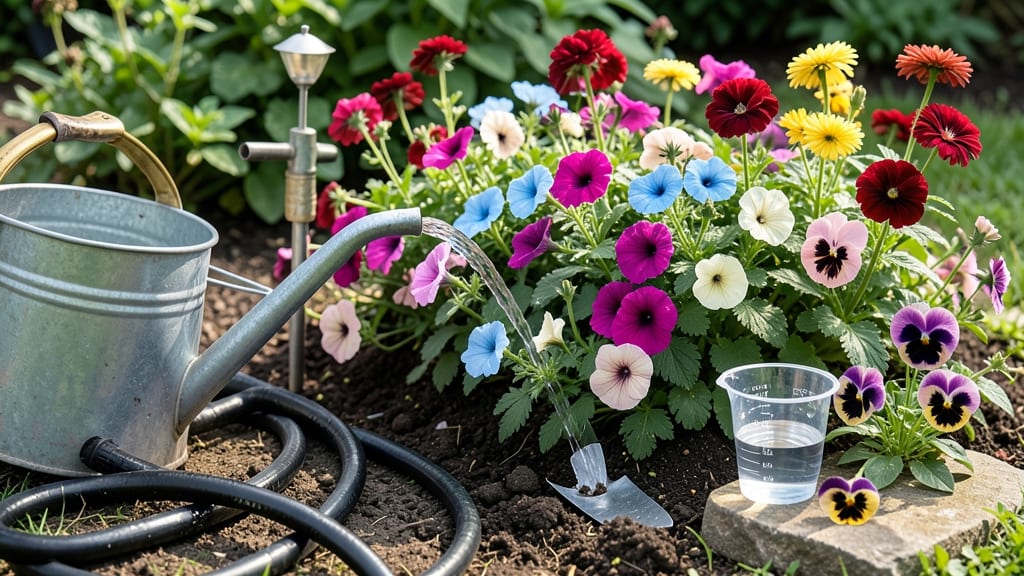
Watering flowers the right amount keeps them blooming all season without wasting a drop or drowning their roots — and the science behind it is simpler than you think.
Overwatering or underwatering your flowers can turn your garden from a vibrant paradise into a sad, wilted mess — yet most gardeners guess rather than follow science-backed watering rules.
The key? Understanding how much your flowers really need depends on their type, soil, and even the time of day you water.
In this guide, I’ll break down the exact watering schedule for different flower types, from thirsty roses to drought-tolerant succulents, plus the best times to water and how to spot when you’re over- or underdoing it.
You’ll learn how to adjust for your climate, avoid common mistakes, and keep your blooms thriving with just the right amount of water — no more guesswork, no more wasted effort.
Science-backed watering schedule for different flower types
Not all flowers thirst the same way—what works for a succulent can drown a tropical hibiscus. Understanding your plants' unique needs is the key to avoiding root rot or wilting.
Let’s break down the science behind watering schedules for four major flower categories, including soil tests and seasonal tweaks to keep your garden perfectly hydrated.
First, check your soil moisture before watering. Stick your finger 1-2 inches deep—if it feels dry, it’s time to water. For sandy soil, water more frequently but shallowly, while clay soil holds moisture longer, requiring deeper, less frequent watering.
Seasonal shifts also matter: summer demands 20-30% more water than spring or fall.
🌱
| Flower Type | Watering Frequency | Depth | Seasonal Adjustments | Soil Test |
|---|---|---|---|---|
| Annuals (e.g., Marigolds, Petunias) | Every 1-2 days (summer), 2-3 days (spring/fall) | 1-2 inches deep | Increase by 50% in peak summer | Dry top 1 inch |
| Perennials (e.g., Daylilies, Coneflowers) | Every 2-3 days (summer), weekly (spring/fall) | 2-3 inches deep | Reduce by 30% in winter dormancy | Dry top 2 inches |
| Succulents (e.g., Aloe, Echeveria) | Every 2-4 weeks (summer), monthly (winter) | Soak until drainage | Cut water by 70% in winter | Completely dry soil |
| Tropicals (e.g., Orchids, Bird of Paradise) | Every 1-2 days (summer), 3-4 days (spring/fall) | 1-2 inches deep | Mist daily in high humidity climates | Top 1 inch slightly moist |
Annual flowers like petunias and geraniums need frequent watering because their shallow roots dry out quickly. Aim for 1-2 inches of water per week, but adjust based on rainfall. In containers, water daily in summer since pots dry out faster than garden beds. For perennials, focus on deep watering—2-3 inches per session—to encourage strong root systems.
Succulents and cacti are the opposite: they store water in their leaves and stems, so overwatering is their biggest threat. Water only when soil is bone-dry, typically every 2-4 weeks in summer. Tropical flowers, like hibiscus or canna lilies, love humidity and need consistent moisture.
If your air humidity drops below 50%, increase watering frequency or use a pebble tray to boost moisture around the roots.
Seasonal changes require smart adjustments. During summer heatwaves, water early in the morning to reduce evaporation and fungal risks. In winter, cut back by 50-70% for most flowers, except evergreens like camellias, which need consistent moisture. Always check the leaf color
How to tell when flowers need water (and when to stop)
Learning to read your flowers' thirst signals is the secret to lush blooms without wasted water. Most gardeners overwater by default, but underwatering causes just as much damage—drooping petals and stunted growth. The key lies in observing three critical cues: leaf texture, soil appearance, and plant posture.
For example, marigolds wilt dramatically when thirsty, while petunias develop crispy edges. Let's decode these signs so you can water with confidence.
Start by checking the soil moisture before assuming your flowers are parched. Stick your finger 1-2 inches deep—if it feels dry, it's time to water. Dark, clumpy soil signals moisture, while light, crumbly soil means your plants are begging for hydration.
For potted flowers, lift the container: if it's lighter than expected, the roots need water. This simple finger test eliminates guesswork and prevents both drought stress and waterlogged roots.
⚠️ callout-warning ⚠️
⚠️ The Overwatering Danger Zone
Yellowing leaves aren't always a thirst signal—they're often a root rot warning. If your roses or hydrangeas develop mushy stems or a foul smell, you're drowning them. Mold on soil or white fungal growth at the base? That's a cry for help. Even succulents like echeveria can't survive soggy soil—let them dry completely between waterings. Stop watering immediately if you see these signs, and let the soil dry out for 2-3 days before trying again.
Different flowers have unique thirst quirks. Annuals like zinnias wilt quickly when dry but bounce back fast after watering, while perennials like peonies prefer deep, infrequent watering to encourage strong roots. Observe your plants' natural rhythm: do they perk up by mid-morning, or stay limp all day?
This tells you whether they need more frequent sips or deeper hydration. For instance, tropical flowers like cannas love moisture, while drought-tolerant lavender thrives on neglect—literally.
Morning is always the best time to water, but the frequency shifts with seasons. In summer heat, most flowers need water every 1-2 days, while spring and fall often require watering every 3-5 days.
Pay attention to rainfall: if you've had 1 inch of rain, skip watering for 24 hours. Pro tip: use a rain gauge to track precipitation—many gardeners overestimate how much rain their plants actually receive.
Don't ignore the color clues your flowers send. Deep green leaves with a slight sheen often mean your plants are perfectly hydrated, while blue-green or grayish foliage signals underwatering. For white flowers like lilies, check the buds: if they're shriveled, it's time to water.
Even the soil color around your plants matters—dark brown soil holds moisture, while pale, dry soil is a clear watering cue. When in doubt, combine the finger test with visual checks for foolproof results.
Remember: consistency is more important than perfection. If you're unsure whether to water, wait one more day—most flowers can handle a day of dryness better than soggy roots. And always water at the base of the plant, not the leaves, to prevent fungal diseases.
With practice, you'll develop an instinct for your flowers' needs, turning watering from a chore into a simple, satisfying routine.