
Flowers
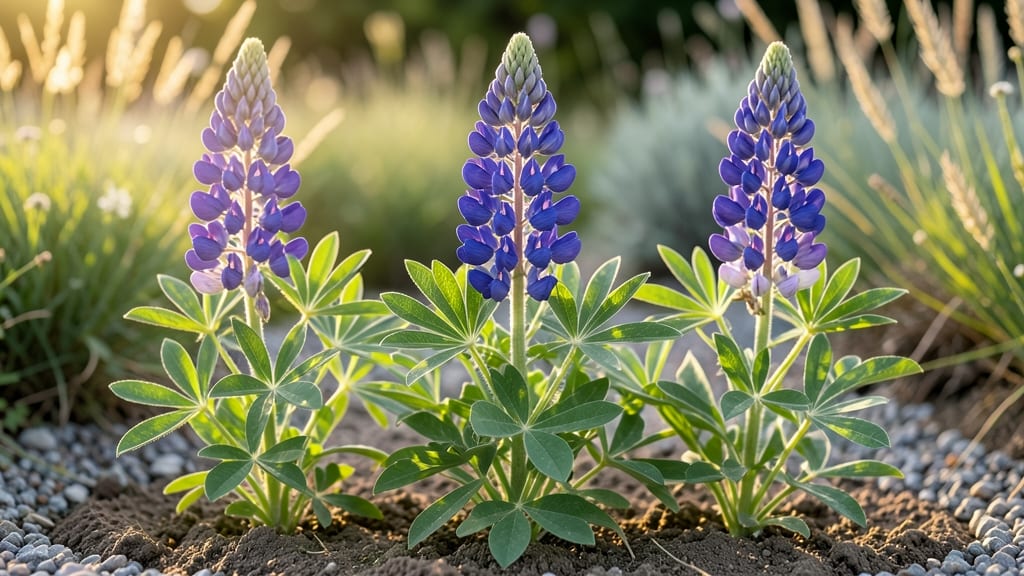
Lupins flower in mid to late summer, turning your garden into a vibrant showstopper when timed right.
Picture this: tall spikes of blue, pink, or purple blooms swaying in the breeze, drawing bees and butterflies for weeks on end. But if you plant too early or too late, you might miss the entire display—or worse, end up with leggy plants that flop over before they even bloom.
Not all lupins follow the same schedule. Some varieties, like the Russell Hybrid, burst into color by early July, while others, such as the Galveston, wait until August.
Climate plays a role too—cooler zones like 6a may see blooms stretch into early fall, while warmer areas could push them earlier.
In this guide, I’ll break down the exact months for popular varieties, share pro tips to extend their flowering season, and reveal the common mistakes that can steal your lupins’ best performance.
Lupin flowering seasons by variety: month-by-month guide
Lupins are famous for their towering spikes of vibrant blooms, but their flowering seasons vary dramatically by variety and region. Whether you're planning a cottage garden or a modern landscape, knowing when each type blooms helps you create a sequential color show from early summer through fall.
Most lupins thrive in USDA Zones 5-9, but cooler climates may delay blooms by 2-4 weeks.
For gardeners in Zone 7 or warmer, lupins often start blooming as early as May or June, while those in cooler Zones 5-6 may not see flowers until July or August.
The key to timing is understanding each variety's natural rhythm and microclimate adjustments like sunlight exposure or wind protection.
Below is a month-by-month breakdown of the most popular lupin varieties, including their peak bloom windows and regional variations. Use this guide to stagger plantings and ensure continuous color from late spring to early fall.
The Russell Hybrid is the most popular variety, offering bright pink, purple, and white blooms from June to August. In cooler regions like Zone 5, expect blooms to shift to July or August due to slower growth.
If you're in Zone 9 or warmer, these lupins may even rebloom lightly in fall with proper care.
For a spring display, prioritize Galveston Lupin or Dwarf Lupin, which bloom as early as May. These varieties are perfect for container gardens or rockeries where space is limited.
Their compact size also makes them ideal for cut flower arrangements, as they hold up well in vases.
If you love cool-season blooms, the Blue Lupin (L. nootkatensis) is a standout. Native to Alaska, it thrives in cooler summers and blooms from July to September.
In warmer climates, provide afternoon shade to prevent wilting. This variety’s silvery-blue flowers contrast beautifully with goldenrod or black-eyed Susans.
To extend your lupin season, plant a mix of early, mid, and late bloomers. For example, pair Galveston Lupin (May–July) with Russell Hybrid (June–August) and Blue Lupin (July–September) for a three-month color show. Additionally, deadhead spent blooms to encourage new flowers and prevent seed pods from forming.
Regional microclimates play a huge role in lupin timing. In coastal areas, cooler temperatures and higher humidity can delay blooms by 2-3 weeks, while inland or desert regions may see earlier flowering due to warmer soil temperatures.
Always monitor your local last frost date and adjust planting times accordingly.
For container gardening, choose Dwarf Lupin or Galveston varieties, which thrive in 5-gallon pots with well-draining soil. Place containers in full sun and water deeply twice weekly during their active growing season.
In containers, lupins may bloom 1-2 weeks earlier than in-ground plants due to warmer root zones.
Pro tip: If you're in a short-season climate, start seeds indoors 8-10 weeks before your last frost to give lupins a head start. Transplant seedlings outdoors once soil temperatures reach 50°F (10°C) for optimal root establishment. This technique can push blooms forward by
How to extend lupin blooms: pro tips for longer flowering seasons
Want your lupins to bloom longer and brighter? With the right care, you can turn their 4-6 week flowering window into a stunning 3-month display. The secret lies in simple yet effective techniques that keep your plants healthy and productive.
Whether you're dealing with Russell Hybrid or Galveston varieties, these strategies will make your lupins the star of your garden all season.
First, let's tackle the most important factor: deadheading. This isn't just about keeping your garden tidy—it's a game-changer for prolonging blooms. When you remove spent flowers, you encourage the plant to redirect its energy into producing new buds.
For lupins, this means more flowers and a longer display. But there's a right way and a wrong way to do it, and I'll show you exactly how to get the best results.
Snip off faded blooms every 2-3 days using clean pruners. Aim for just above the first set of leaves to encourage new growth.
Ensure 6+ hours of full sun daily. Morning sun is ideal—it prevents wilting and encourages stronger stems.
Use a balanced 5-10-10 fertilizer at planting. Avoid heavy feeding during bloom—it can reduce flower production.
Pair lupins with thyme or lavender to deter pests. These plants also improve soil health, benefiting lupins.
Soak the soil to a depth of 6 inches every 7-10 days. Morning watering prevents fungal issues and keeps blooms vibrant.
Don't overlook the power of soil health. Lupins thrive in well-draining soil with a slightly acidic to neutral pH (6.0-7.0). If your soil is heavy or compacted, amend it with compost or perlite before planting. This improves drainage and aeration, which are critical for root development and flower production.
I've found that adding a handful of bone meal at planting time gives my lupins a strong start, leading to more robust growth and longer blooming periods.
Another often-overlooked trick is pruning for shape. Once your lupins reach about half their mature height, give them a light trim to encourage bushier growth. Use clean, sharp pruners to cut back the tallest stems by about one-third.
This not only makes your plants look fuller but also stimulates the production of side shoots, which will each produce their own flowers. Just be sure to do this early in the season—never prune after the first flush of blooms, or you'll cut off potential flowers.
For late-season extension, try a simple technique I learned from experienced gardeners: lightly fertilize with compost tea in early fall. This gives your lupins a gentle boost without promoting new growth that might not survive winter.
The nutrients stored in the roots will help them bounce back stronger in spring, often resulting in earlier and more abundant blooms the following year. Plus, it's an eco-friendly way to keep your soil rich without harsh chemicals.
Finally, keep an eye out for pests and diseases. Slugs and aphids can quickly defoliate lupins, cutting short their blooming season. I've had great success using neem oil as a preventive spray every 2 weeks during peak growing season.
If you notice any signs of powdery mildew (a common issue with lupins), improve air circulation around the plants and avoid overhead watering.
A quick treatment with baking soda spray (1 tsp baking soda + 1 quart water + a drop of dish soap) can often bring them back to health.
With these strategies, you can easily extend your lupins' blooming season by 4-8 weeks, giving you a stunning display from early summer well into fall.
The key is consistency—regular deadheading, proper care, and a little attention to detail will reward you with lupins that keep on blooming like they're trying to outshine the rest of your garden! 🌸