
How To
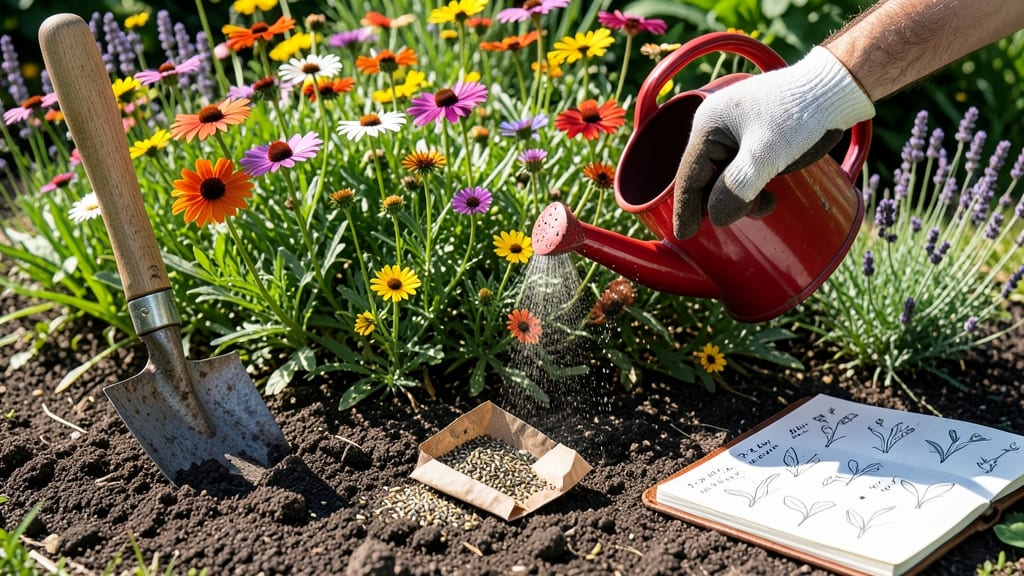
How fast do wildflower seeds grow? You might be surprised—some pop up in as little as 7 days, while others take months to bloom 🌼.
Picture this: you’ve scattered seeds in March, dreaming of a vibrant meadow by summer, only to stare at bare soil for weeks. That’s the reality for many gardeners, but the truth is, timing is everything. Some species, like cosmos and zinnias, shoot up fast, while others need patience.
What you’re really waiting for isn’t just germination—it’s those first bursts of color. The right soil, sunlight, and a little care can shave weeks off the wait, turning a slow start into a fast, flourishing garden.
Below, I’ll break down the growth timelines by species, soil tricks to speed things up, and the three pro tips that cut waiting time in half. Ready to plan your blooms?

Wildflower seed germination & growth speed by species (fastest to slowest)
If you're eager to see your wildflower garden burst into color, knowing the growth speed of different species can help you plan your planting schedule. Some wildflowers sprout in just 5 days, while others take 30 days or more to germinate.
The timeline doesn’t stop there—first blooms can range from 4 weeks to 12 weeks after planting, depending on the variety.
Fast-growing annuals like cosmos and zinnias deliver vibrant blooms in as little as 6-8 weeks, making them perfect for instant color. On the other hand, perennials like black-eyed Susans and coneflowers may take 3-4 months to establish and flower.
Understanding these differences ensures you meet your garden’s aesthetic goals without overcommitting to slow growers.
Below is a breakdown of wildflower germination times, first bloom periods, and peak flowering stages to help you strategize your planting. Whether you're creating a quick pollinator haven or a long-term meadow, timing is everything.
Annual wildflowers like cosmos and zinnias are the fastest growers, often reaching their first blooms in just 6-8 weeks. These are ideal for gardeners who want quick results and can replant them yearly. Their rapid growth makes them perfect for filling gaps in borders or creating instant pollinator-friendly spaces.
Perennials, however, require more patience. Species like black-eyed Susans and coneflowers take 10-12 weeks to bloom for the first time but reward you with years of low-maintenance beauty.
They establish deep root systems, making them drought-tolerant once mature. If you're planning a long-term meadow, these perennials are worth the wait.
For a staggered bloom effect, mix fast and slow growers. Plant sweet alyssum and poppies for early color, followed by zinnias and cosmos for mid-season brilliance, and finally coneflowers and black-eyed Susans for late summer and fall interest. This approach ensures your garden stays vibrant from spring through frost.
One common misconception is that all wildflowers follow the same timeline. In reality, germination speed and bloom times
How soil conditions accelerate or delay wildflower growth (with fixes)
Your wildflower seeds might sprout in 2 weeks or take 6 months—the difference often lies in your soil. Soil pH, drainage, and moisture levels directly control how quickly roots develop and shoots emerge.
For example, cosmos seeds germinate in 7-14 days with ideal conditions, while black-eyed Susans can linger for 30+ days if soil is too compacted.
Most wildflowers thrive in slightly acidic to neutral soil (pH 6.0-7.0). If your soil tests below 6.0, add lime to raise pH gradually. Conversely, alkaline soil (pH 7.5+) slows germination—amend with sulfur or peat moss. Even a 1-point pH shift can delay sprouting by 2-4 weeks.
⚠️ WARNING: Common Mistakes That Stall Growth ⚠️
🌱 Overwatering or Poor Drainage
Wildflower seeds rot in 2-3 days if buried in soggy soil. Test drainage by digging a 6-inch hole—if water pools after 1 hour, amend with compost or sand. Never plant in low-lying areas where water collects.
Fix: Loosen soil with a broadfork and mix in perlite (20% by volume) for faster water runoff. Sunlight exposure also matters—6+ hours of direct sun speeds germination by 30-50% compared to shaded spots.
💡 Pro Tip: Use a moisture meter to keep soil at 40-60% moisture during germination. Overwatering causes fungal diseases like damping-off, which kills seedlings before they sprout.
Sunlight exposure is just as critical as soil. Full-sun wildflowers (like coneflowers) grow 2x faster in 6+ hours of direct sun versus partial shade.
If your garden gets less than 4 hours of sun, choose shade-tolerant species like foxglove or columbine, which germinate 10-14 days slower but still thrive.
Moisture levels create another bottleneck. Dry soil halts germination entirely, while consistent moisture (not soggy) triggers sprouting in 5-10 days for fast growers. Use a sprinkler with fine mist to avoid displacing seeds. Mulch lightly with straw to retain moisture without suffocating seedlings.
For stubborn seeds (like lupines or delphiniums), try scarification—nick the seed coat with sandpaper or soak in warm water for 24 hours to mimic natural weathering. This cuts germination time by 50% for hard-coated varieties. Always plant ¼-inch deep—deeper burial delays sprouting by 1-2 weeks.
Monitor your soil’s temperature too. Ideal germination temps range from 60°F to 75°F. If your spring soil is below 50°F, wait until after the last frost or use a seedling heat mat ($20 at garden centers) to warm the soil 5-10°F faster than ambient air.