
How To
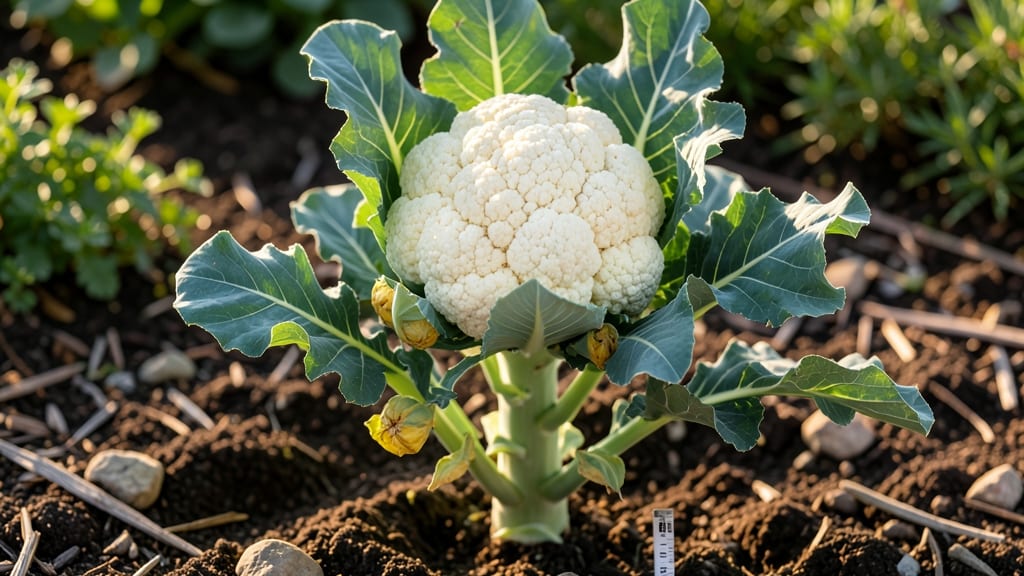
Cauliflower heads grow anywhere from 4 inches to over 12 inches in diameter, depending on the variety you choose — and that size directly impacts how much space you’ll need in your garden.
Wondering how much space to dedicate to your cauliflower patch? The size of your harvest depends entirely on the variety you grow — some produce compact heads perfect for small gardens, while others need room to develop massive, restaurant-worthy crowns.
For example, 'Snowball' varieties stay on the smaller side, ideal for containers or tight spaces, while 'Romanesco' can grow heads as wide as a dinner plate, requiring more elbow room. Get the spacing wrong, and you’ll end up with stunted heads or wasted garden real estate.
In this guide, I’ll break down the exact spacing needs for popular varieties, how head size affects growth, and the 3 most common mistakes gardeners make when planting cauliflower — so you can plan your patch for maximum yield.
Cauliflower size by variety: from mini heads to giant crowns
When planning your vegetable garden, cauliflower size is one of the first things to consider. The variety you choose determines not just the head diameter, but also the plant spacing and even the harvest timing.
Some varieties produce miniature heads perfect for container gardens, while others grow into massive crowns that require ample space. Knowing these differences helps you maximize your yield without overcrowding your plot.
For example, a dwarf variety like 'Snowball Y Improved' produces heads just 4-6 inches wide, making it ideal for small gardens or balcony containers. On the other hand, a giant variety like 'Romanesco' can develop heads up to 12+ inches in diameter, needing more room to grow.
Understanding these variations ensures you select the right plants for your space and goals.
Below is a detailed breakdown of popular cauliflower varieties and their mature sizes, including both head diameter and plant height. This guide will help you plan your garden layout, whether you're working with a 4x8-foot raised bed or a sprawling backyard plot.
| Variety | Head Size (Diameter) | Plant Height | Days to Maturity | Best For |
|---|---|---|---|---|
| Snowball Y Improved | 4-6 inches | 12-18 inches | 60-70 days | Containers, small gardens |
| Purple of Sicily | 6-8 inches | 18-24 inches | 70-80 days | Small spaces, heirloom gardens |
| Romanesco | 8-10 inches | 24-30 inches | 80-90 days | Medium gardens, ornamental value |
| Cheddar | 10-12 inches | 20-26 inches | 75-85 days | Large gardens, high yield |
| Graffiti | 6-8 inches (multi-colored) | 18-24 inches | 60-70 days | Containers, decorative gardens |
| Violetto | 10-12 inches | 24-30 inches | 80-90 days | Large gardens, gourmet cooking |
| Aran | 12+ inches (giant) | 30-36 inches | 90-100 days | Spacious gardens, commercial growers |
If you're working with limited garden space, opt for dwarf varieties like 'Snowball Y Improved' or 'Graffiti'. These produce small cauliflower heads (4-8 inches) and thrive in 5-gallon containers or small raised beds.
Their compact size also makes them easier to harvest without disturbing neighboring plants, which is a game-changer for urban gardeners.
For larger gardens, varieties like 'Cheddar' or 'Violetto' are excellent choices. Their 10-12 inch heads deliver a substantial harvest, but they require 18-24 inches of spacing between plants.
This ensures each head has enough room to develop without competing for nutrients or sunlight, which directly impacts the final cauliflower size.
How much space do cauliflower plants really need?
Cauliflower plants need precise spacing to thrive—too close, and heads won't form properly; too far apart, and you waste garden space. The ideal spacing depends on the variety and mature head size.
For example, compact varieties like 'Purple of Sicily' (4-6 inch heads) can grow just 12-18 inches apart, while giants like 'Romanesco' (8-10 inch heads) need 24-36 inches to develop fully. Always check seed packets for variety-specific guidelines.
Beyond head size, consider the plant's foliage spread. Cauliflower leaves can grow 18-24 inches wide, so crowding reduces airflow, increasing disease risk. In containers, choose dwarf varieties (like 'Snowball Y Improved') and space them 12-16 inches apart in 12-inch-deep pots.
Raised beds allow tighter spacing (18 inches apart) due to better drainage and root access.
Companion planting can maximize your cauliflower's space efficiency. Pair with low-growing herbs like thyme or oregano to fill gaps without competing for nutrients. Avoid planting near tomatoes or potatoes, which share diseases like blight.
Instead, try beans or peas—their nitrogen-fixing roots improve soil health for your cauliflower. For vertical gardening, train vining plants (like cucumbers) up trellises near the edges of your patch.
Overcrowding is the #1 mistake I see in home gardens. When plants compete for water and nutrients, heads become small and misshapen. If you're short on space, opt for succession planting: Sow new seeds every 2-3 weeks in spring for a continuous harvest.
This works especially well with fast-maturing varieties like 'Early Snowball', which reach maturity in just 60-70 days. Always thin seedlings to the recommended spacing to avoid stunted growth.
Pro tip: Use a stake or cage for tall varieties to prevent heads from touching the soil, which causes rot. For container gardening, add compost-rich potting mix to support larger heads. Remember, soil depth matters—cauliflower roots need at least 12 inches of loose, fertile soil to develop properly.
If your garden soil is rocky, consider raised beds for better control over growing conditions.
Finally, adjust spacing based on your climate. In cooler regions (USDA Zones 3-5), plants grow slower, so you can space them slightly closer (12-18 inches) without competition. In hot climates (Zones 8-10), increase spacing to 24-36 inches to prevent stress from heat and drought.
Always monitor your plants—if leaves start yellowing, they’re signaling they need more room to breathe.