
Flowers
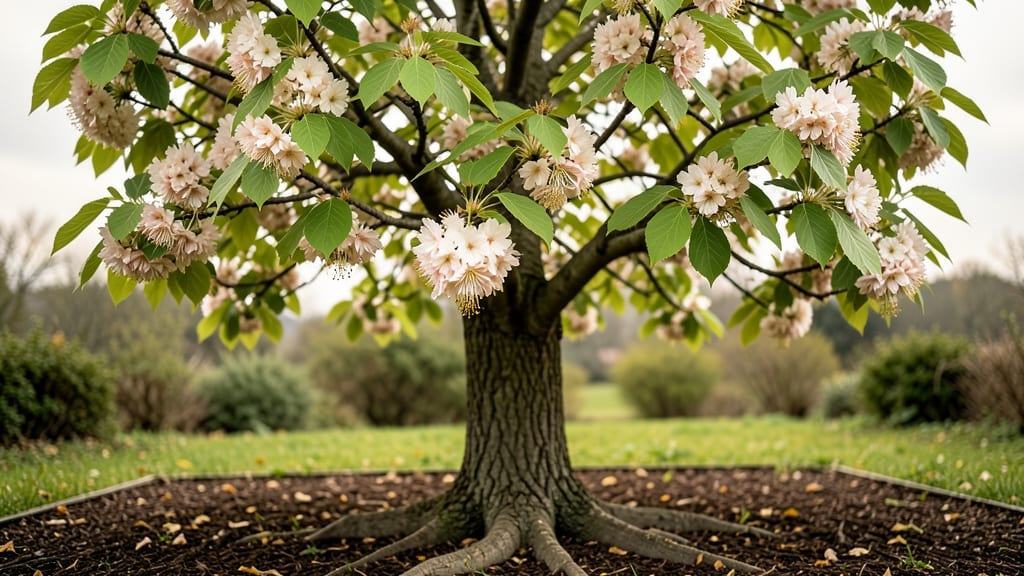
Seeing a horse chestnut tree in flower 🌸 is like watching a garden come alive with cascades of delicate white blossoms that turn heads in every season.
The horse chestnut tree transforms your garden into a springtime spectacle with its iconic white candle-like flowers—but timing everything perfectly is the secret to maximizing their beauty.
If you’ve ever planted one and wondered why your tree’s blooms seem lackluster or short-lived, you’re not alone. The difference between a showstopping display and a quiet corner tree often comes down to when and how you nurture it.
In this guide, I’ll walk you through the best times to plant, how to encourage longer blooms, and the simple care tricks that turn an ordinary tree into a garden centerpiece every spring.
When do horse chestnut trees bloom: seasonal timing guide
Timing is everything when it comes to enjoying the horse chestnut in flower. These trees burst into their signature white, candle-like blooms in late spring, but the exact timing depends heavily on your USDA hardiness zone and local climate patterns.
In my experience, a 3-4 week window separates the earliest blooms in warm zones from the late arrivals in cooler regions.
Understanding these variations helps you plan companion plantings, pollinator-friendly gardens, and even pruning schedules.
For instance, early bloomers in Zone 7 might start as early as mid-April, while Zone 5 trees often wait until late May—a difference that impacts everything from bloom photography opportunities to when to plant shade-tolerant perennials beneath them.
The temperature thresholds for horse chestnut flowering are fascinating. These trees typically need consistent daytime temperatures above 50°F (10°C) for at least 2-3 weeks before buds open. Cold snaps after buds form can delay blooms by 10 days or more, while warm winters often trigger earlier flowering.
This is why my Zone 6 trees sometimes bloom in early May after a mild winter, but revert to late May blooms after harsh winters.
Early blooming horse chestnut trees play a crucial role for pollinators emerging from winter dormancy. In my garden, the first flowers appear in Zone 7 by early May, providing vital nectar when many other spring bloomers are just getting started.
This timing makes horse chestnuts particularly valuable for bees and early-flying butterflies like swallowtails, which rely on these trees before native wildflowers fully emerge.
Late bloomers, however, offer different ecological benefits. Trees in Zones 4-5 that bloom in late May or June extend the pollinator season when many other trees have already finished flowering.
I've noticed that my late-blooming specimens attract different species of bees and even hummingbirds that time their migrations to coincide with these later blooms. This delayed flowering also means you can enjoy the display longer if you plant varieties with staggered bloom times.
The color contrast of horse chestnut flowers against emerging foliage creates stunning visual impact. The creamy-white candelabra-like blossoms stand out dramatically against the deep green leaves that unfurl shortly after flowering.
In my experience, pairing horse chestnuts with purple-leaved shrubs like Weigela or smoke bush creates a high-contrast color palette that lasts throughout the season. The timing of these companion plants is just as important—they should be selected to complement rather than compete with the horse chestnut's bloom period.
If you're planning to photograph your horse chestnut in flower, timing is everything. The peak bloom period typically lasts 2-3 weeks, but the most dramatic shots come when the flowers are fully open against fresh foliage.
I recommend scheduling your photo sessions for late morning on sunny days when dew has evaporated but temperatures haven't peaked. The soft morning light enhances the delicate petals and creates beautiful backlighting effects through the branches.
For gardeners in warmer climates (Zones 8-9), the early blooming period means you can enjoy horse chestnut flowers as early as March. This gives you a head start on spring garden planning and allows for creative layering with winter bloomers like hellebores or early crocuses.
The key is to choose varieties that match your local climate—some cultivars like 'Red Horse Chestnut' may bloom slightly later but offer stunning foliage color changes throughout summer.
One common misconception is that horse chestnut trees bloom at the same time every year. In reality, bloom timing can vary by 3-4 weeks between years depending on winter conditions.
My Zone 6 tree bloomed in early May for three consecutive years, then shifted to mid-May after a particularly cold winter. This variability makes it essential to monitor your tree's specific patterns rather than relying on general guidelines.
Keeping a simple garden journal with bloom dates can help you predict future flowering times more accurately.
To maximize your enjoyment of horse chestnut flowers, consider planting multiple trees with st
How to extend horse chestnut flower season: pruning and care tips
Your horse chestnut tree’s white candle-like blooms are a springtime highlight, but many gardeners miss the secret to extending their display. The key lies in strategic pruning timing, soil health, and a few simple care adjustments that most people overlook.
Unlike many trees, horse chestnuts bloom on old wood—meaning last year’s growth produces this year’s flowers. This makes aggressive pruning a common mistake that cuts back potential blooms. Instead, focus on light shaping and encouraging strong branch structure to maximize flower production.
- 1. Prune in Late Winter – Remove dead or crossing branches between January and February when the tree is dormant. Avoid heavy cuts that remove flowering wood.
- 2. Adjust Soil pH – Test your soil and aim for a slightly acidic to neutral pH (6.0-7.0). Amend with lime or sulfur as needed to improve nutrient uptake.
- 3. Deep Water Weekly – Water deeply once a week during dry spells, focusing on the root zone. Mulch with 3-4 inches of organic mulch to retain moisture.
- 4. Plant Near Pollinators – Pair with bee-friendly plants like lavender or catmint to attract pollinators, which boost flower longevity.
- 5. Fertilize Lightly in Spring – Use a balanced 10-10-10 fertilizer in early spring to support new growth without overstimulating foliage at the expense of flowers.
One of the biggest misconceptions about horse chestnuts is that they require minimal care. While they’re hardy, their flowering potential depends on consistent watering and pruning discipline. I’ve seen trees in my own garden that went from sparse blooms to abundant displays simply by adjusting these habits.
For even longer blooms, consider lightly pruning spent flowers after they fade. This encourages the tree to redirect energy toward new flower buds for next season. Just avoid heavy pruning—never remove more than 25% of the canopy in one year.
Companion planting also plays a role. Pairing your horse chestnut with early-blooming bulbs like daffodils or late-season perennials like coneflowers creates a sequential bloom display that extends your garden’s visual appeal well beyond the horse chestnut’s peak flowering period.
With these simple yet effective tips, your horse chestnut will reward you with longer, more vibrant blooms year after year—turning your garden into the envy of the neighborhood. 🌿