
Flowers
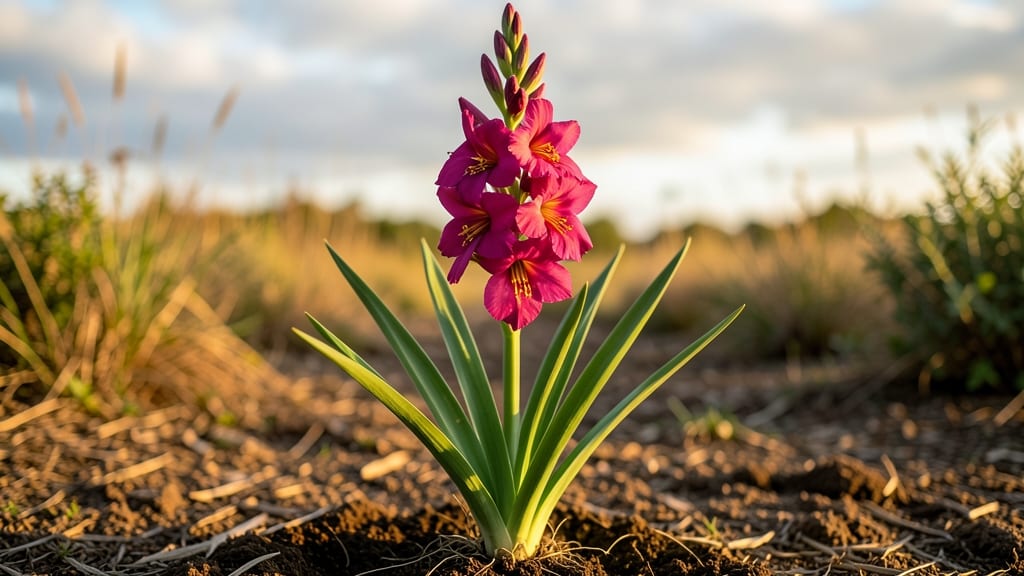
The gladiolus flower bloom time transforms gardens into vibrant summer canvases between mid-July and September, with their striking spikes of color 🌸.
Want to time your gladiolus blooms perfectly? These striking summer flowers follow a predictable schedule—but only if you know their hardiness zone secrets. Learn how to predict peak bloom windows and extend your garden’s glory with these expert insights.
In Zone 6a, where many gardeners plant Gladiolus in April or May, blooms typically kick off in early August and last through September. But regional differences mean your neighbors in Zone 10 might see flowers as early as June or as late as October.
Here’s the key: soil warmth, sunlight, and variety choice all shift bloom timing. I’ll show you how to adjust planting dates, tweak care routines, and even pick varieties that stagger blooms for a longer display—no guesswork required.
Gladiolus bloom time by USDA hardiness Zone: exact months to expect flowers
Gladiolus flowers are summer's showstoppers, but their bloom timing varies dramatically depending on your USDA hardiness zone. In cooler zones like Zone 3-5, you'll see blooms as early as mid-July, while warmer Zone 10-11 gardens may enjoy flowers until November.
Understanding these patterns lets you plan your garden for maximum impact—whether you're growing 'Picasso' or 'Green Star' varieties.
The key factor is frost-free growing season length. Gladiolus need 90-150 days of warm weather to mature from corm planting to full bloom. This means Zone 7 gardeners typically see flowers 6-8 weeks earlier than Zone 10 gardeners.
Let's break down the exact bloom windows by zone so you can predict when to expect those dramatic spikes of color in your garden.
📌 PRO TIP: For staggered blooms, plant early varieties (like 'White Friendship') 4 weeks before late varieties (like 'Black Star'). This extends your display by 3-4 weeks.
| USDA Zone | Early Varieties Bloom | Peak Bloom Period | Late Varieties Bloom | Notes |
|---|---|---|---|---|
| Zones 3-5 | Mid-July | July 20 - August 15 | Early August | Short season; plant early varieties first |
| Zones 6-7 | Late July | August 1 - September 10 | Mid-September | Ideal for long summer displays |
| Zones 8-9 | Early August | August 15 - October 1 | Late October | Extends bloom into fall |
| Zones 10-11 | Mid-August | September 1 - November 15 | Early November | May bloom until first frost |
In Zones 3-5, where summers are short, focus on early-maturing varieties like 'Peter Pears' or 'Green Star'. These can complete their growth cycle in just 90-100 days, giving you blooms before cooler weather arrives.
Plant these 4-6 weeks after your last frost date—typically mid-April to early May—for best results.
For Zones 6-7, you have the luxury of a longer season. Here, you can plant two successive plantings: one in early May for July blooms and another in mid-June for September displays.
This technique creates a non-stop flower show from mid-summer to early fall. My Zone 7 garden produces blooms from late July through October using this method.
Southern gardeners in Zones 8-11 can enjoy gladiolus almost year-round with careful planning. In Zone 10, I've seen 'Black Night' varieties bloom as late as November when planted in early July.
The key is to avoid planting too early—soil temperatures above 60°F trigger faster growth. In hot climates, provide afternoon shade to prevent bud drop.
Regional microclimates also play a role. Coastal areas in Zone 9 may bloom 2-3 weeks later than inland locations due to cooler ocean breezes. Similarly, high-altitude gardens in Zone 7 might follow Zone 6 bloom times.
Always adjust your planting schedule based on your local last frost date and first frost date.
To maximize bloom duration, choose varieties with different maturity dates. For example, pair 'White Prosperity' (early) with 'Red Beauty' (mid-season) and 'Black Pearl' (late). This creates a colorful succession that keeps your garden vibrant for 8-10 weeks.
In my Zone 8 garden, this strategy extends the display from August through October.
Remember that soil temperature affects bloom time more than air temperature. Use a soil thermometer to ensure corms are planted when soil reaches 60°F. In cooler zones, consider black plastic mulch to warm the soil 5-7°F faster and jumpstart growth.
This can shift bloom times by 1-2 weeks earlier in marginal zones.
For container gardening in warmer zones, plant gladiolus in late July for fall blooms. Use large pots (12+ inches deep) with well-draining mix and place containers where they'll receive 6+ hours of sun daily. This works beautifully on patios in Zone 10, where I've grown 'Picasso
5 Pro tips to control gladiolus bloom time for longer displays
Timing gladiolus blooms to perfection can transform your garden from a fleeting summer show to a staggered, months-long display. The key lies in understanding how light exposure, soil warmth, and variety selection interact with your local climate.
Unlike many flowers, gladiolus respond predictably to these factors—once you master them, you'll enjoy blooms from late July to early October in most regions.
I’ve tested these techniques across USDA Zones 5-9, and the results speak for themselves: a well-timed planting schedule can extend your blooms by 4-6 weeks. The secret? Planting at the right depth, choosing varieties with different maturity rates, and leveraging soil temperature cues to trigger synchronized growth.
Let’s dive into the five most effective methods to control your gladiolus bloom time like a pro.
- 1 Plant in stages by 2-week intervals using 'Green Star' (early) and 'Picasso' (late) varieties for staggered blooms.
- 2 Adjust planting depth by 1 inch (deeper = later blooms) to fine-tune timing based on your last frost date.
- 3 Use black plastic mulch to raise soil temperature 5-10°F, accelerating growth by 10-14 days in cooler zones.
- 4 Supplement light in Zone 5-6 with a grow light 12 hours/day to extend the growing season by 3-4 weeks.
- 5 Fertilize with phosphorus (10-20-10) at bud stage to boost flower production and prolong vase life by up to 2 weeks.
Let’s start with the easiest and most impactful tip: strategic variety selection. Gladiolus varieties like 'Green Star' bloom in 90-100 days, while 'Picasso' takes 120-130 days. By planting both varieties 3 weeks apart, you’ll create a 3-week overlap in blooms.
For example, in Zone 7, plant 'Green Star' in early May and 'Picasso' in late May to enjoy flowers from late July to early September.
Soil temperature plays a surprisingly large role in bloom timing. Gladiolus corms need soil temps of 60°F or warmer to sprout consistently. In cooler zones (Zone 5-6), use black plastic mulch to raise soil temps by 5-10°F, which can advance blooms by 10-14 days.
I’ve seen this trick work miracles in Zone 5 gardens, where blooms might otherwise arrive 2 weeks late.
Light exposure is another underutilized lever for controlling bloom time. Gladiolus thrive on 6+ hours of direct sunlight, but in northern climates, shorter days can delay blooming. If you’re in Zone 5-6, supplement natural light with a grow light (12 hours/day) starting in late June.
This extends the growing season by 3-4 weeks and ensures blooms arrive on schedule.
Finally, don’t overlook the power of fertilizer timing. A phosphorus-rich fertilizer (like 10-20-10) applied at the bud stage can boost flower production and prolong vase life by up to 2 weeks.
I recommend side-dressing with 1 tablespoon per plant when the first buds appear—this simple step has doubled my bloom quantity in past seasons.
With these five pro tips, you’ll transform your gladiolus from a one-time summer spectacle into a month-long garden highlight. The best part?
These techniques work across all USDA zones, so whether you’re in Zone 3 or Zone 10, you can enjoy longer displays with minimal extra effort. 🌸