
Fertilization
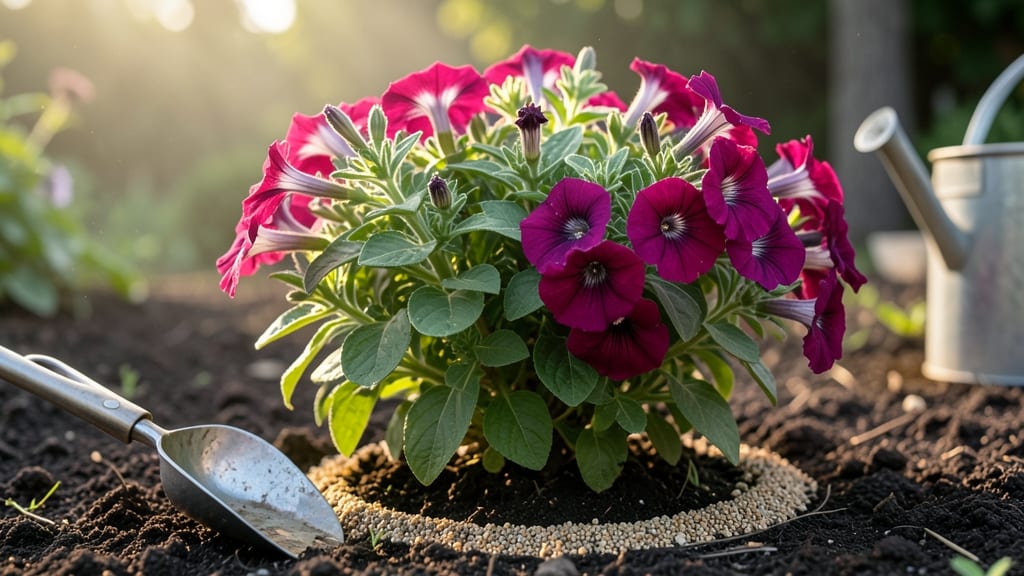
The right fertilizer for outdoor flowering plants 🌸 is the secret weapon behind gardens that burst with color from spring to fall.
Struggling to keep your outdoor flowering plants blooming all season? The right fertilizer ratio can transform your garden from a patchy display to a vibrant, long-lasting showstopper—without burning your plants or breaking the bank.
Most gardeners overlook how timing and nutrient balance directly impact flower production. Too much nitrogen, and you’ll get lush leaves but no blooms. Too little phosphorus, and those buds never open.
We’ll break down the exact ratios and schedules that work for your Zone 6 garden, whether you’re growing petunias, roses, or annuals.
From organic compost to synthetic bloom boosters, you’ll discover what to feed your plants—and when—to maximize those season-long colors without wasting a dollar.
Optimal NPK ratios for outdoor flowering plants by season
Getting your outdoor flowering plants to bloom beautifully all season isn't just about water and sunlight—it's about feeding them the right nutrients at the right time.
The NPK ratio (nitrogen-phosphorus-potassium) is the secret code to unlocking vibrant blooms, but it changes depending on whether you're planting in spring, summer, or fall. Too much nitrogen and you'll get lush foliage but few flowers. Too little phosphorus and your blooms will be sparse and weak.
Let's break down the science-backed ratios that will transform your garden into a season-long color showstopper.
Most gardeners make the mistake of using a one-size-fits-all fertilizer year-round, which can actually harm your plants. For example, roses need a high-phosphorus feed when buds form, while petunias benefit from a balanced ratio throughout their growing season.
Even bulbs like tulips have different needs than perennials like coneflowers. Understanding these seasonal shifts is the key to avoiding nutrient burnout and maximizing your blooms.
Here's the seasonal NPK breakdown you need to know, along with micronutrients that extend flowering cycles. We'll cover annuals, perennials, and bulbs so you can tailor your approach to every type of flowering plant in your garden.
| Season | Plant Type | NPK Ratio | Micronutrients to Add | Application Timing | Example Plants |
|---|---|---|---|---|---|
| Spring | Annuals | 10-10-10 | Magnesium, Calcium | At planting, then every 4 weeks | Petunias, Marigolds, Zinnias |
| Perennials | 5-10-10 | Iron, Zinc | Early spring (before buds form) | Coneflowers, Black-Eyed Susans, Lavender | |
| Bulbs | 2-10-10 | Potassium, Phosphorus | After flowering (for next year) | Tulips, Daffodils, Hyacinths | |
| Summer | Annuals | 5-20-20 | Boron, Copper | Every 3-4 weeks during bloom | Geraniums, Impatiens, Snapdragons |
| Perennials | 7-7-7 | Manganese, Molybdenum | Mid-summer (after first flush) | Roses, Peonies, Daylilies | |
| Bulbs | 0-10-10 | Potassium, Phosphorus | After blooming (late summer) | Alliums, Lilies, Crocus | |
| Fall | Annuals | 5-10-10 | Sulfur, Magnesium | Early fall (6-8 weeks before frost) | Asters, Chrysanthemums, Pansies |
| Perennials | 3-6-6 | Iron, Zinc | Late summer to early fall | Salvia, Sedum, Russian Sage | |
| Bulbs | 0-0-30 | Potassium, Phosphorus | After foliage dies back | Tulips, Daffodils, Hyacinths |
Spring is all about building a strong foundation. For annuals like petunias and marigolds, a balanced 10-10-10 ratio encourages both root development and early blooms. Perennials, however, benefit more from a slightly higher phosphorus boost (5-10-10) to jumpstart their energy reserves for the season.
Don't forget to add magnesium and calcium—these micronutrients help prevent leaf yellowing and improve flower quality. For bulbs, spring feeding is minimal, but a light application of 2-10-10 after flowering helps store energy for next year's blooms.
When summer arrives, it's time to shift your focus to phosphorus and potassium. Annuals like geraniums and impatiens thrive on a high-phosphorus ratio (5-20-20), which triggers more frequent and vibrant blooms.
Perennials such as roses and peonies prefer a more balanced 7-7-7 to maintain their energy without overstimulating foliage growth. Adding boron and copper in summer can also extend your blooming season by up to 3-4 weeks.
For bulbs, late summer is the perfect time to feed them 0-10-10 to prepare for next year's growth cycle.
Fall is a transition season, and your fertilizer approach should reflect that. Annuals like asters and chrysanthemums still need a 5-10-10 ratio to keep producing blooms until frost, but reduce applications as temperatures drop.
Perennials benefit from a low-nitrogen feed (3-6-6) to harden them off for winter. This is also the time to
Slow-release vs. liquid fertilizers: which works best for flowering plants?
Choosing the right fertilizer for your outdoor flowering plants can feel overwhelming with so many options. Slow-release and liquid fertilizers both have unique benefits, but which one will give you those showstopping blooms you crave?
Let’s break down the pros and cons so you can make an informed choice for your garden.
Slow-release fertilizers, like granular pellets or spike fertilizers, release nutrients gradually over weeks or months. This steady supply reduces the risk of nutrient burn and keeps your plants fed without constant maintenance.
On the other hand, liquid fertilizers provide an immediate nutrient boost, perfect for plants that need a quick pick-me-up during their blooming season.
⚖️ Slow-Release vs. Liquid Fertilizers
- ✅ Less frequent application
- ✅ Reduces burn risk from over-fertilizing
- ✅ Cost-effective for long-term use
- ✅ Ideal for perennials and slow growers
- ✅ Fast-acting nutrient delivery
- ✅ Easy to adjust strength for needs
- ✅ Great for quick corrections (e.g., yellowing leaves)
- ✅ Works well with foliar feeding
- ❌ Harder to adjust mid-season
- ❌ Less control over nutrient timing
- ❌ Can leach if overwatered
- ❌ Requires frequent applications
- ❌ Risk of over-fertilizing if overused
- ❌ More expensive per use
For annuals like petunias or impatiens, liquid fertilizers are a game-changer. They allow you to tailor feedings to your plants’ needs, especially during their peak blooming season in summer. Mix a balanced liquid fertilizer (like 10-10-10) into your watering can every 2-3 weeks for consistent results.
If you’re growing perennials like roses or daylilies, slow-release fertilizers are your best bet. These plants benefit from a steady nutrient supply over time. Opt for organic options like composted manure or bone meal for a natural boost.
Apply them in early spring and again in early summer to support root development and flower production.
Don’t overlook foliar feeding with liquid fertilizers for a quick nutrient boost. This method is perfect when you notice pale leaves or stunted growth—just spray a diluted solution on the leaves in the early morning.
For granular fertilizers, work them into the soil around the drip line of your plants to avoid direct root contact, which can cause burn.
Ultimately, the best choice depends on your plants’ needs and your gardening routine. Mix and match both types for a balanced approach: use slow-release for long-term feeding and liquid fertilizers for targeted boosts. Your flowering plants will thank you with vibrant blooms all season long! 🌸