
Flowers
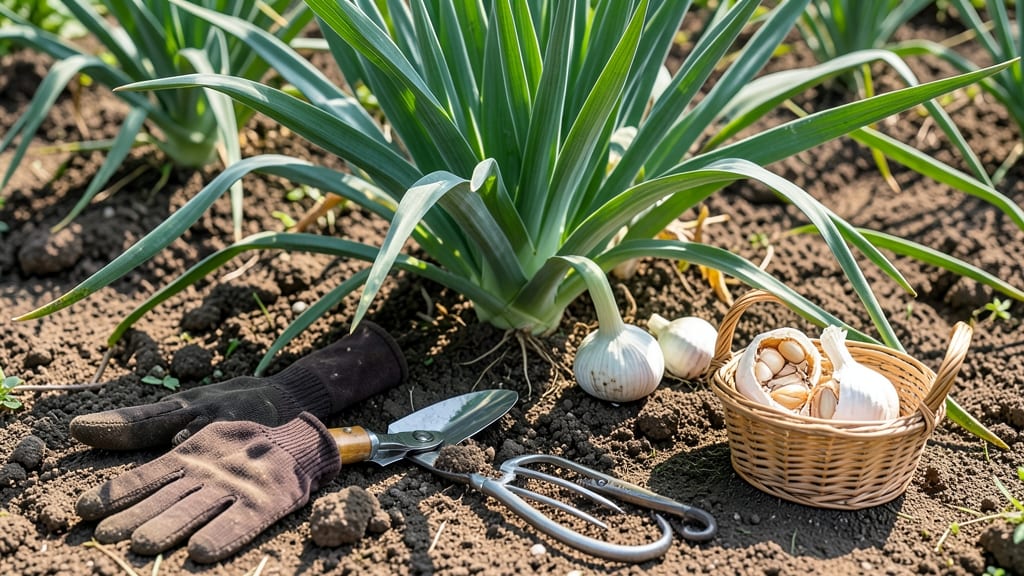
Do you harvest garlic before or after it flowers? The key to plump, flavorful bulbs is timing it right—and missing the window can turn your harvest into a disappointment. You’ve probably heard the debate: pull those cloves early, or wait until the flower stalk (called a scape) appears.
The truth? Most gardeners miss the sweet spot by weeks, and that’s how you end up with small, pungent bulbs that won’t store well. I’ve made that mistake more times than I’d like to admit.
The science is clear: garlic bulbs grow most aggressively in the 4-6 weeks before flowering, when the plant redirects energy from the scape to the roots. That’s when you want to dig them up—before the scape hardens or the tops flop over.
But hardneck varieties (like Rocambole or Purple Stripe) can handle a slightly later harvest, while softnecks (like Artichoke) demand precision.
Below, I’ll walk you through the exact signs to watch for—leaf color, bulb firmness, and even the weather—to nail your harvest window. No more guesswork, just bigger, better-tasting garlic that stores like a dream.
When to harvest garlic before flowering for largest bulbs
Harvesting garlic before flowering is the golden rule for maximum bulb size and flavor. The key window is 4-6 weeks before scapes (the curly flower stalks) emerge. This timing ensures bulbs have fully developed while still retaining their mild, sweet flavor.
Missing this window means smaller bulbs or even bolting—when garlic sends up flowers prematurely.
Most gardeners focus on leaf color and bulb firmness rather than calendar dates. When about 50-60% of lower leaves turn brown and crispy, it’s time to harvest. The bulbs should feel firm and well-rounded when gently squeezed.
If you wait too long, the tops may flop over, signaling the bulbs are past their prime.
Hardneck varieties like Rocky Mountain or German Red are ideal for early harvest. Their scapes emerge earlier, giving you a narrower window to act. Softneck varieties like Silverskin have a slightly longer grace period but still benefit from early harvesting.
Always prioritize bulb maturity over scape development for the best results.
Pro Tip: Dig up one bulb to check its size. If the cloves are plump and papery-skinned, harvest the rest immediately. If they’re still small or soft, wait another week. This simple test saves you from harvesting too early or too late.
| Stage | Leaf Condition | Bulb Development | Action |
|---|---|---|---|
| Early Growth | All green, upright | Small, soft cloves | Wait 6+ months |
| Maturing | Lower leaves brown (50-60%) | Firm, rounded bulbs | Harvest immediately |
| Overripe | All leaves brown, flopping | Loose skin, shriveled | Too late; store anyway |
| Flowering | Scapes emerge | Bulbs may split | Harvest if bulbs are firm |
Use a garden fork to loosen the soil around the bulbs before pulling them gently. Shake off excess dirt and let them cure in the sun for 3-5 days.
This process thickens the skin, improving storage life. Avoid washing them until you’re ready to use or store, as moisture encourages rot.
Climate plays a role in timing. In cooler regions (USDA Zones 3-5), garlic matures slower, so harvest may extend into late July. Warmer zones (Zones 6-9) can harvest as early as mid-June.
Always adjust based on your local first frost date—garlic needs time to cure before cold sets in.
If you’re growing garlic for braiding or storage, prioritize softneck varieties like Artichoke or Silverwhite. These benefit from slightly later harvests (closer to flowering) but still perform best when harvested before scapes emerge. Hardnecks like Music or Chesnok Red are best harvested early for their boldest flavors.
One common mistake is waiting for 100% brown leaves—this often means the bulbs are overripe. The ideal moment is when 50-60% of lower leaves are brown and crispy, while the upper leaves remain green. This balance ensures bulbs are fully developed but haven’t yet diverted energy to flowering.
After harvesting, trim the roots and stems to 1-inch lengths and braid or bundle the bulbs. Store them in a cool, dry place (60-65°F) with good airflow. Properly cured and stored garlic can last 6-12 months, depending on the variety. The effort to harvest at the right
Harvesting garlic after flowering: when it works (and when it doesn’t)
Harvesting garlic after flowering is a high-risk, high-reward strategy that works best for hardneck varieties in colder climates. While most gardeners aim to harvest before flowering, late harvesting can yield larger bulbs with deeper flavor—but only under specific conditions.
Let’s explore when this approach makes sense and how to assess bulb maturity post-flowering.
Hardneck garlic varieties like 'German White' or 'Silverskin' are the only types where delayed harvesting can work. These varieties naturally produce scape flowers and thrive in USDA zones 3-7.
In warmer climates, harvesting after flowering often leads to smaller bulbs and increased risk of rot. The key is timing—waiting too long can mean sacrificing quality entirely.
Harvesting Garlic After Flowering
Pros
- Larger bulbs (up to 30% bigger)
- Deeper flavor due to extended growth
- Works well in colder climates (zones 3-7)
Cons
- Higher rot risk from moisture buildup
- Smaller bulbs in warm climates
- Requires precise timing to avoid bolting
To assess bulb maturity after flowering, focus on the lower leaves. They should turn brown and crispy, while the tops remain green. Gently lift a bulb to check—if it’s firm and well-rounded with tight skin, it’s ready.
If the skin is loose or the bulb feels soft, wait a few more days. Overripe bulbs split easily and store poorly.
One tradeoff of late harvesting is flavor intensity. Bulbs left longer develop stronger, more complex flavors—ideal for roasting or braiding. However, they may lack the mild sweetness of early-harvested garlic.
For storage, cure late-harvested bulbs in a dry, shady spot for 2-3 weeks to prevent rot. Use mesh bags or hang them to improve airflow.
If you’re in a warmer climate (zones 8+), avoid harvesting after flowering entirely. The heat accelerates bulb deterioration, leading to poor storage life and shriveled cloves.
Instead, harvest when 50% of lower leaves brown, typically 4-6 weeks before flowering. This ensures bulbs are firm and ready for long-term storage.
For hardneck varieties in cooler regions, late harvesting can be rewarding—but only if you monitor weather patterns closely. A sudden heatwave or heavy rain can ruin bulbs overnight.
Use a moisture meter to track soil conditions and adjust watering to prevent rot. With the right approach, you’ll harvest larger, flavorful bulbs that outshine early-harvested garlic.