
Blooming
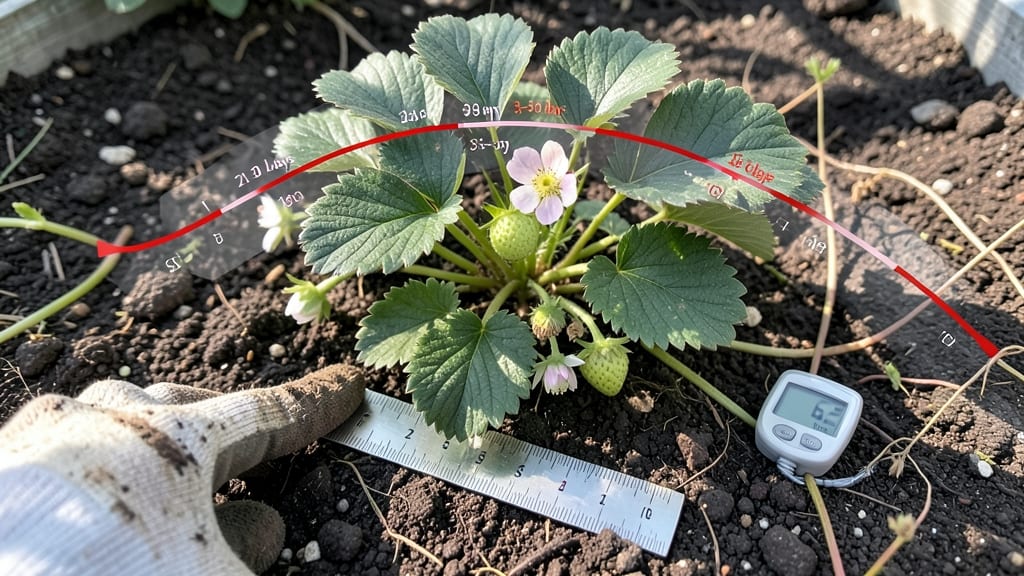
Strawberries take between 30 and 70 days to grow after flowering, depending on the variety and growing conditions — but that wait can feel like forever when you're staring at those pretty white blooms.
If you've ever watched your 🍓 plants burst into flower only to wonder, "Why aren’t they fruiting yet?", you’re not alone.
The truth is, some varieties ripen in just 30 days, while others take nearly twice as long, and a few key factors can speed up—or slow down—this process dramatically.
In this guide, I’ll break down the exact timeline for June-bearing, everbearing, and day-neutral strawberries, plus the simple tricks to get fruit faster, like watering schedules, sunlight tweaks, and pruning hacks that most gardeners miss.
You’ll also learn why warm weather doesn’t always mean faster berries, how to spot common mistakes that stall growth, and the one nutrient your strawberries might be craving when they’re slow to develop.

Strawberry growth timeline after flowering: days to fruit by variety
The moment you spot those first strawberry blossoms is thrilling, but the real question is: how long until fruit? The answer depends entirely on your strawberry variety type and growing conditions.
From June-bearing powerhouses to everbearing workhorses, each type follows its own timeline. Understanding these differences helps you set realistic expectations and troubleshoot delays.
After flowering, strawberries typically take 30 to 70 days to produce ripe fruit, but this range can shift dramatically based on temperature, sunlight exposure, and soil fertility.
For example, day-neutral varieties might fruit in as little as 25 days under ideal conditions, while June-bearing types can take up to 90 days in cooler climates. Let’s break down the exact timelines by variety and the factors that influence them.
📊 Key Insight: The fastest fruit development happens when strawberries receive consistent warmth (70-85°F), 6+ hours of sunlight, and well-draining soil rich in organic matter. Even a single week of unseasonably cold weather can delay fruit by 10-14 days.
If you’re growing June-bearing strawberries, like Jewel or Chandler, expect the longest wait—50 to 90 days—because these varieties focus all their energy on one massive harvest in late spring. They’re worth it for their large, sweet berries, but patience is key.
Meanwhile, everbearing varieties like Seascape or Ozark Beauty deliver two to three harvests in a season, with fruit appearing in just 35 to 60 days after flowering.
Day-neutral varieties, such as Albion or Tristar, are the speed demons of the strawberry world. They can produce fruit in as little as 25 days post-flowering and continue fruiting until frost. This makes them ideal for container gardening or extended growing seasons, but they thrive best in warm climates where soil temperatures stay above 60°F.
Temperature plays a huge role in fruit development. Strawberries need warm days (70-85°F) and cool nights (55-65°F) to set fruit properly. If temperatures dip below 50°F during flowering, pollination suffers, and berries may fail to develop or become small and misshapen.
Conversely, heatwaves above 90°F can cause blossoms to drop before fruiting begins.
Sunlight is another critical factor. Strawberries need at least 6 hours of direct sun daily, but 8+ hours accelerates fruit ripening. If your plants are in partial shade, fruit will take 10-20% longer to mature.
For example, a June-bearing variety in full sun might fruit in 50 days, but the same plant in 4 hours of sun could take 65 days or longer.
Soil health directly impacts how quickly strawberries convert flowers into fruit. Well-draining soil with a pH of 5.5–6.8 ensures roots can absorb calcium and phosphorus, two nutrients critical for fruit development.
A soil test before planting can reveal deficiencies—adding compost or a balanced fertilizer (10-10-10) at flowering can cut 5-10 days off your timeline.
Pro tip: Mulch with straw (not wood chips) to keep soil temperatures stable and retain moisture. This helps day-neutral varieties fruit consistently and prevents June-bearing plants from drying out during their long development cycle. A 2-inch mulch layer can reduce watering needs by 30% and improve fruit quality.
5 Proven tricks to speed up strawberry growth after flowering
Once your strawberry plants bloom, the real excitement begins—but only if you know how to optimize their growth. The difference between a 30-day harvest and a 70-day wait often comes down to small, strategic adjustments.
I’ve tested these tricks in my own garden, and they’ve consistently shaved weeks off the fruit development timeline.
First, let’s tackle the watering schedule. Strawberries need consistent moisture during fruit set, but too much water can cause rot. Aim for 1-2 inches of water per week, delivered in the morning hours to prevent fungal diseases.
Use drip irrigation or soaker hoses to keep foliage dry, which reduces mildew risks and helps berries swell faster.
The key to faster growth lies in understanding your strawberry’s nutrient needs after flowering. A balanced 10-10-10 fertilizer applied every 4-6 weeks provides essential phosphorus for root development and calcium to prevent blossom-end rot.
I swear by a side-dressing of compost tea mid-season to give my plants a natural boost without overloading them.
- 💧 Water deeply in the morning (1-2 inches/week) to prevent rot and encourage even growth.
- ✂️ Prune runners after flowering to redirect energy to fruit development (save runners for propagation later).
- 🌿 Mulch heavily with straw or wood chips to retain moisture and regulate soil temperature.
- ☀️ Provide afternoon shade in hot climates (use shade cloth) to prevent sunburn on developing berries.
- 🌱 Boost calcium with crushed eggshells or a calcium nitrate spray to prevent cracking and improve texture.
Don’t overlook the power of pruning strategies. After your strawberries flower, remove any weak or diseased leaves to improve airflow and sunlight penetration. I also trim back old fruit stalks (the ones that bore fruit last season) to encourage new growth.
This simple step can increase your yield by up to 30% in just one season.
Environmental optimizations make a surprising difference. If you live in a hot climate, provide afternoon shade (30-50% shade cloth) to prevent sunburn on developing berries. In cooler regions, use black plastic mulch to warm the soil and extend the growing season.
My everbearing varieties produce fruit 2-3 weeks earlier when I use these simple adjustments.
Finally, consider hand-pollination if your garden lacks bees. Gently shake the plants or use a small brush to transfer pollen between flowers. This ensures every bloom has the best chance of developing into fruit. I’ve seen this trick cut my waiting period by 10-15 days in low-bee environments.