
Light Requirements
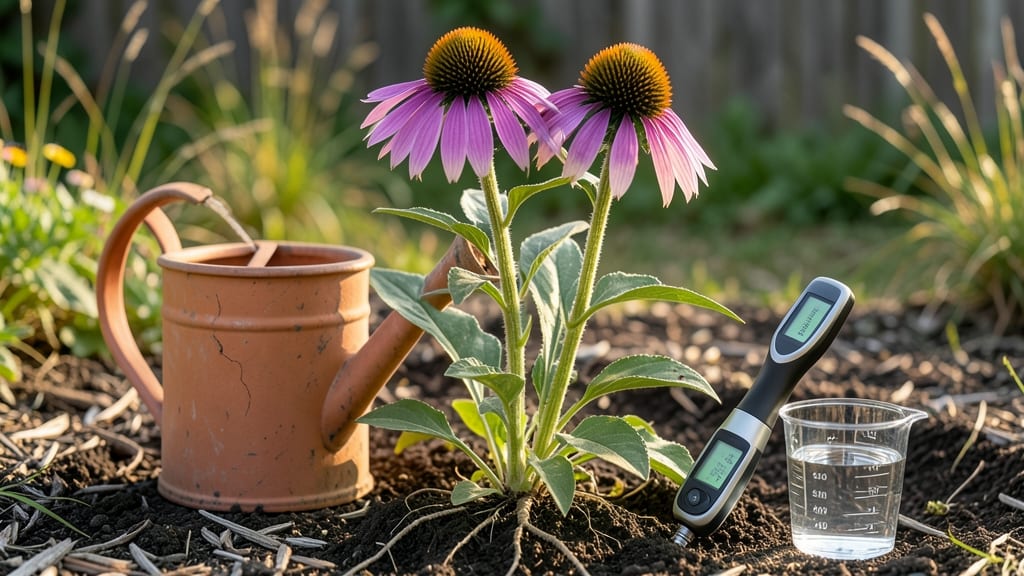
Coneflowers do not need a lot of water—they’re far more drought-tolerant than most gardeners realize, thriving on occasional deep soaks instead of frequent drinks.
Picture this: your 🌼 coneflower wilting under a watering can, its roots drowning instead of drinking. Overwatering is the #1 mistake killing these hardy perennials, and it’s easy to do when you assume they need constant moisture. The truth? Once established, they’ll outlast dry spells with minimal care.
Here’s the game-changer: deep, infrequent watering—about 1 inch per week—trains their roots to dive deep for moisture. That means fewer trips to the hose and more time admiring those iconic purple blooms. But how do you know when they’re getting just enough (or too much)?
Below, I’ll break down the exact watering schedule for every season, plus the 5 telltale signs your coneflowers are thirsty, overwatered, or perfectly happy. Spoiler: healthy foliage and strong stems are your best clues.
How much water coneflowers actually need (and when to adjust)
Coneflowers (Echinacea) are often called the low-maintenance superstars of the perennial world—but their watering needs often get misunderstood. While they’re drought-tolerant once established, young plants and blooming adults still need the right balance.
Overwatering is the #1 mistake I see, leading to floppy stems and fungal diseases. Let’s break down their ideal watering schedule so you can keep those vibrant purple blooms thriving without wasting water.
The key to watering coneflowers lies in their deep root system. Unlike thirsty annuals, they prefer infrequent, deep soakings over shallow daily sprinkles. Think of it like giving them a long drink rather than sipping all day.
This encourages roots to grow deeper, making them more resilient during dry spells. If you’re in a hot, dry climate, you might water every 5-7 days in summer, while cooler regions can stretch it to 10 days between waterings.
| Stage | Water Frequency | Depth | Soil Moisture Goal |
|---|---|---|---|
| Newly Planted (First Year) | Every 5-7 days | 6-8 inches deep | Moist but not soggy |
| Established (Year 2+) | Every 7-14 days | 8-12 inches deep | Dry top 2 inches |
| Peak Blooming (Summer) | Every 5-7 days | 10-12 inches deep | Moisture at root level |
| Dormant (Fall/Winter) | Monthly (if no rain) | Surface water only | Prevent soil crusting |
Your local climate plays a huge role in adjusting watering schedules. In arid regions like Arizona or New Mexico, I’ve seen coneflowers thrive with only monthly waterings after the first year—once their roots establish.
But in humid climates like the Pacific Northwest, you might need to water every 5-7 days in summer to prevent wilting. Always check the soil: stick your finger 2 inches deep. If it’s dry, it’s time to water.
One of the biggest myths about coneflowers is that they need constant moisture to bloom. In reality, underwatering stresses plants, but overwatering kills them faster. Look for yellowing leaves or mushy stems—these are red flags for root rot.
If your soil doesn’t drain well, amend it with compost or sand to improve aeration. I’ve had coneflowers in clay-heavy soil struggle until I added a 50/50 mix of compost and perlite.
Timing matters just as much as how much you water. Always water in the early morning (between 6-9 AM) to let foliage dry before nightfall. This prevents fungal diseases like powdery mildew, which loves damp leaves.
Avoid evening waterings—wet leaves overnight create the perfect breeding ground for pests. Pro tip: Use a soaker hose or drip irrigation to deliver water directly to the root zone, reducing evaporation and waste.
Newly planted coneflowers need the most attention. During their first growing season, keep the soil consistently moist but not waterlogged. I like to use a mulch ring (3-4 inches of straw or shredded leaves) to retain moisture and regulate soil temperature.
After the first year, your coneflowers will have developed a deep taproot system, making them far more drought-resistant. At this stage, you can reduce watering to once every 2 weeks in most climates.
Don’t forget that container-grown coneflowers dry out faster than in-ground plants. If you’re growing them in pots, check soil moisture every 3-5 days in summer. Containers also heat up quickly, so place them in partial shade during peak afternoon sun.
A 10-inch pot might need 1 cup of water every 2-3 days, while larger containers can go longer between waterings. Always ensure pots have drainage holes to prevent root rot.
5 Signs your coneflowers are getting too much (or too little) water
Coneflowers are famously drought-tolerant once established, but that doesn’t mean they’re immune to watering mistakes. Overwatering can drown their roots, while underwatering stresses them during growth. Here’s how to spot the signs and fix them fast.
The key is observing leaf color, stem firmness, and soil moisture—all clues your coneflowers are silently screaming for help.
I’ve seen gardeners accidentally kill thriving coneflowers by watering them like thirsty annuals. Yellowing leaves or mushy stems are red flags, but the fixes are simple once you know what to look for.
Let’s break down the 5 most common watering mistakes and how to reverse them before your plants decline.
🌿 Cause: Overwatering or poor drainage
Coneflowers wilt when roots suffocate in soggy soil. Check soil 1 inch down—if it’s damp, cut back watering. Fix: Let soil dry between waterings and improve drainage with perlite.
🌱 Cause: Overwatering or root rot
Yellow leaves starting at the base? Roots are rotting from excess moisture. Fix: Stop watering, loosen compacted soil, and add compost to improve aeration.
☀️ Cause: Underwatering or high heat
Brown, brittle edges mean your coneflowers are parched. Fix: Water deeply in the morning (1 inch per week) and mulch to retain moisture.
🌼 Cause: Overwatering or nutrient leaching
If your coneflowers grow leggy or skip blooming, roots aren’t getting oxygen. Fix: Reduce watering and add sand or gravel to heavy clay soil.
💧 Cause: Severe root rot
This is an emergency! Cut away rotted stems and repot in dry, well-draining soil. For garden plants, transplant to a sunnier spot with improved drainage.
Once you recognize these signs, recovery is straightforward. Coneflowers bounce back quickly when given the right conditions—just adjust your watering routine and monitor soil moisture with your finger. For established plants, 1 inch of water per week (including rain) is ideal, but always check the soil first.
Pro tip: Use a moisture meter or the "squeeze test" (grab a handful of soil—if it crumbles, it’s dry; if it sticks, it’s too wet). This simple habit saves coneflowers from watering woes every time.
With the right balance, your plants will reward you with bold blooms all season—and minimal effort from you.