
Flowers
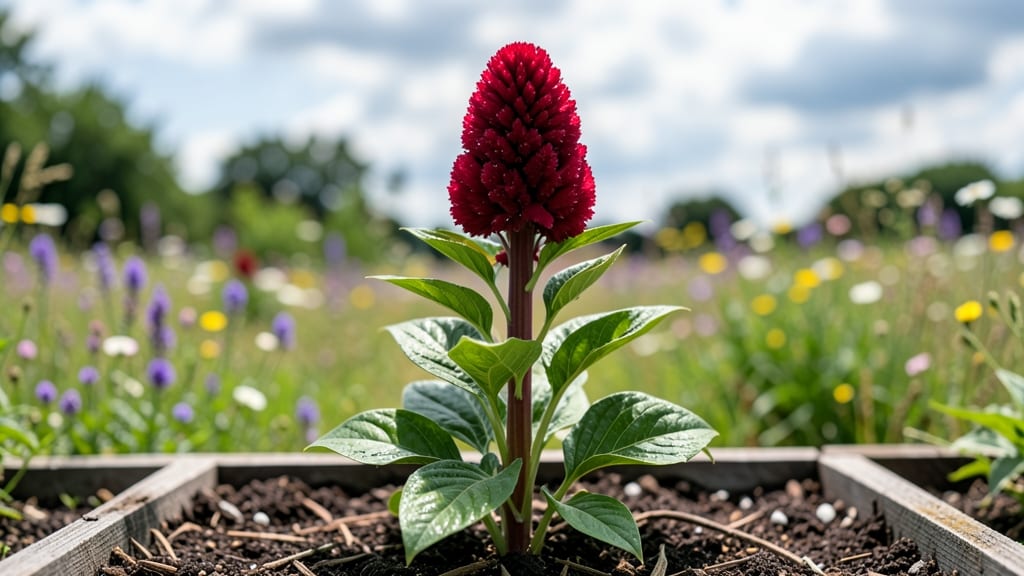
Controlling celosia flower height is easier than you think, and the right variety can transform your garden from a sea of uniform blooms to a dynamic vertical display.
Picture this: a 6-inch dwarf celosia 🌸 spilling over a window box, or a towering 4-foot specimen anchoring the back of your flowerbed. The same plant can play both roles—it just depends on how you grow it.
Whether you're working with limited space or aiming for dramatic height, understanding celosia's growth habits is your secret weapon.
From pinching back young shoots to strategic pruning and spacing, you can shape celosia to fit your space—no matter if you're a container gardener or a border-planter.
The key? Knowing which varieties lean toward compact growth and which reach for the sky, plus a few simple tricks to guide their size.
In this guide, I’ll break down the tallest and shortest celosia types, share my go-to pruning schedule for height control, and reveal the soil and sunlight secrets that keep your plants exactly the size you want. Ready to grow celosia that works with your garden—not against it?

Celosia flower height variations: compact vs towering varieties explained
If you love the bold, fiery colors of celosia flowers but need to fit them into tight spaces, choosing the right height variety makes all the difference. These plants naturally range from 6-inch dwarfs to 4-foot giants, giving you creative freedom.
Whether you're designing a window box or a backyard border, selecting the perfect height ensures your garden thrives without overcrowding.
Celosia's height isn't just about aesthetics—it directly impacts air circulation, sunlight exposure, and even pest control. Taller varieties need more space between plants to prevent fungal diseases, while compact types can be planted closer together for dense, colorful displays.
Let's explore how to match your garden's needs with the perfect celosia height for stunning, low-maintenance results.
Celosia varieties fall into three main height categories: dwarf (6-12 inches), medium (12-24 inches), and tall (24-48 inches). Each category serves a unique purpose in garden design. Dwarf types excel in container gardens and border edges, while towering varieties create dramatic backdrop accents or cut flower arrangements. Understanding these distinctions helps you plan layouts that maximize both beauty and functionality.
The growth habit of celosia also varies by height. Compact varieties often grow in bushy mounds, while taller types develop upright stems that may need staking. Some medium-height varieties strike a balance with semi-bushy growth, making them versatile for mixed borders.
Let's dive into the specific height ranges and ideal uses for each category.
| Height Category | Varieties | Mature Height | Growth Habit | Best Uses |
|---|---|---|---|---|
| Dwarf | 'Tom Thumb', 'Impala', 'Flame Nugget' | 6-12 inches | Bushy mounds | Window boxes, borders, fairy gardens |
| Medium | 'Cristata', 'New Look', 'Vintage Pink' | 12-24 inches | Semi-upright, bushy | Containers, mixed borders, cut flowers |
| Tall | 'Chocolate City', 'Merlot', 'Golden Self-Branching' | 24-48 inches | Upright stems | Back-of-bed, cut flower arrangements |
For small-space gardens, dwarf celosia varieties like 'Tom Thumb' are my go-to choice. These 6-12 inch wonders create vibrant color bursts without stealing space from other plants. I often use them in window boxes or along pathway edges where every inch counts.
Their compact size also makes them perfect for fairy gardens or terrace planters, adding instant summer color without overwhelming the space.
Medium-height celosia varieties strike the perfect balance for container gardening and raised beds. Varieties like 'New Look' reach 12-24 inches at maturity, making them ideal for mixed borders or as focal points in patio pots.
Their semi-upright growth habit creates natural vertical interest while remaining manageable for pruning. I frequently pair these with trailing plants like sweet potato vine to create dynamic container displays.
When you need dramatic height for your garden, towering celosia varieties like 'Chocolate City' deliver stunning 4-foot plumes that command attention. These varieties excel as backdrop plants in flower beds or as cut flowers for long-lasting bouquets.
Their upright stems may require staking in windy areas, but the payoff is worth it for their bold, fiery blooms that last well into fall.
One key factor influencing celosia height is soil fertility. Plants grown in rich, nitrogen-heavy soil tend to produce more foliage and can grow taller, while those in leaner soil stay more compact.
I've found that adding a balanced fertilizer (5-10-10) during the growing season helps control height while promoting vibrant blooms. For shorter plants, I often use lower-nitrogen fertilizers to encourage bushier growth rather than vertical stretching.
Light exposure also plays a crucial role in determining celosia height. While all varieties thrive in full sun (6+ hours daily), those in partial shade may grow slightly shorter with more compact foliage.
I've noticed that tall varieties in partial shade sometimes develop weaker stems that flop over, requiring additional staking. For best results, always plant celosia in sunny locations with well-draining soil to support their natural height potential.
If you're growing celosia in containers, height control becomes even more important. Root-bound plants often grow taller as they compete for nutrients in limited space. To keep container-grown celosia compact, I recommend using d
How to control celosia height: pruning, staking, and growth tips
Controlling celosia flower height is all about timing and technique. Whether you're working with dwarf varieties that max out at 12 inches or tall cultivars reaching 4 feet, the same principles apply. The key is understanding when to prune, stake, or adjust growing conditions to guide their vertical growth naturally.
For compact celosia, focus on early pinching and regular pruning to encourage bushier growth. If you're aiming for taller stems, provide support and avoid excessive trimming. The good news? Celosia responds quickly to these adjustments, often showing visible changes within weeks.
Step-by-Step Guide to Managing Celosia Height
- 1 Pinch Young Plants: When seedlings reach 4-6 inches tall, pinch back the top set of leaves. This encourages branching and prevents leggy growth. Repeat every 3-4 weeks for compact varieties.
- 2 Prune for Shape: Use clean pruning shears to trim overgrown stems back by one-third. For tall varieties, cut just above a leaf node to promote new growth. Always prune in the morning to allow wounds to heal.
- 3 Install Stakes Early: For tall celosia varieties, insert 3-4 foot stakes at planting. Use soft ties to secure stems as they grow, preventing wind damage and encouraging upright growth. Avoid tight ties that can girdle stems.
- 4 Adjust Fertilizer: Use a low-nitrogen fertilizer (5-10-10) to avoid excessive leafy growth. For compact celosia, reduce nitrogen further. Apply fertilizer every 4-6 weeks during the growing season, always watering in after application.
- 5 Monitor Soil Conditions: Ensure well-draining soil with a pH of 6.0-7.0. Amend heavy clay with compost to prevent root-bound growth. For tall varieties, add a mulch layer to retain moisture and support sturdy stems.
Don’t forget that celosia height control also depends on your variety selection. Dwarf types like 'Tom Thumb' naturally stay under 12 inches, while 'Cockscomb' varieties can reach 3 feet. If you're growing celosia in containers, choose smaller varieties or prune aggressively to prevent toppling.
For dramatic vertical accents, combine tall celosia with lightweight stakes and a balanced fertilizer. The goal is to guide their natural growth rather than force it. With the right approach, you can transform leggy plants into bushy shrubs or turn compact varieties into showstopping focal points.
Regular monitoring is key—check your celosia weekly for signs of overgrowth or stunted growth. Adjust your techniques as needed, and soon you'll have celosia blooms at exactly the height you desire. 🌸