
Companion Plants
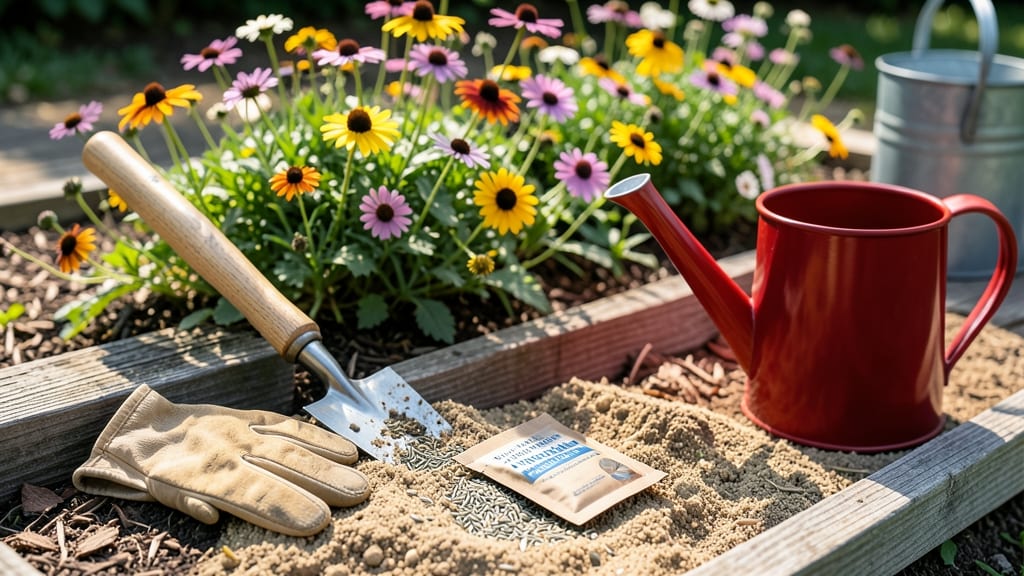
To plant wildflower seeds in Kentucky, aim for late summer through early fall or early spring—timing that aligns with the state’s 6a-7a climate zones for the best germination.
Kentucky’s diverse climate—from humid summers to cold winters—can make timing your wildflower planting tricky, but getting it right means vibrant blooms from spring to frost. Whether you’re restoring prairie land or adding color to your yard, knowing the perfect planting window is key to success.
Fall planting (August to October) gives seeds time to establish roots before winter, while early spring (March to April) lets them take advantage of Kentucky’s 165 frost-free days. Skipping these windows risks weak growth or missed blooms, so let’s break down the best approach for your region.
You’ll discover how to prep soil, choose the right seeds for your microclimate, and avoid common mistakes—so your 🌼 wildflowers thrive year after year.
Best months to plant wildflower seeds in Kentucky by season
Kentucky’s four distinct seasons create perfect windows for wildflower planting, but timing matters more than you might think. Native species like black-eyed Susans and coneflowers thrive when sown at the right moment—too early, and frost kills tender sprouts; too late, and they struggle to establish before winter.
Let’s break down the ideal planting months for each season, including adjustments for northern vs. southern Kentucky.
Most gardeners focus on spring and fall planting, but Kentucky’s humid summers and mild winters (especially in southern regions) open unique opportunities. Fall planting is often the gold standard for wildflowers because cooler temperatures reduce weed competition, while spring planting gives seeds a head start for summer blooms.
Even winter sowing (for hardy species) can work in microclimates.
Here’s how to match your planting strategy to Kentucky’s USDA Zones 6a-7a.
Northern Kentucky (e.g., Lexington, Louisville) tends toward Zone 6a with later last frosts (April 20), while southern Kentucky (e.g., Bowling Green, Paducah) leans into Zone 7a with earlier last frosts (March 25).
Adjust your timeline accordingly—even a 2-week difference can mean the difference between success and failure.
For spring planting, aim for March to early April—just after the last average frost date. In northern
How Kentucky’s climate zones affect wildflower planting timing
Kentucky’s USDA Zones 6a and 7a create distinct planting challenges, especially for wildflowers that thrive on precise timing. In Zone 6 (northern KY), colder winters and earlier frosts mean shorter growing seasons, while Zone 7 (central/southern KY) enjoys milder winters and longer blooming periods.
These differences directly impact when—and how—you should plant wildflower seeds for the best results.
For example, black-eyed Susans and coneflowers in Zone 6 need to be sown by mid-September to establish roots before the first frost (typically October 15), whereas Zone 7 gardeners can push planting to early November. Miss these windows, and you risk weak germination or winter kill.
Rainfall patterns also play a role. Northern Kentucky’s drought-prone areas (like parts of Zone 6) require extra soil prep to retain moisture, while southern regions benefit from Kentucky’s humid summers—but even there, late-season planting after mid-October carries risks of fungal growth due to lingering moisture.
🌱 Key Takeaways for Planting Wildflower Seeds in Kentucky
| Zone | Best Planting Window | Frost Risk | Adaptation Tip |
|---|---|---|---|
| Zone 6 (Northern KY) | August 15–September 15 | First frost: October 15 | Use mulch to protect roots |
| Zone 7 (Central/Southern KY) | September 1–October 15 | First frost: November 1 | Plant drought-tolerant varieties |
| Both Zones | March 15–April 15 (Spring) | Last frost: April 15 | Avoid waterlogged soil |
💡 Pro Tip: Test soil moisture before planting—Zone 6 soils dry out faster in late summer.
In Zone 6, where winters are harsher, focus on fall planting (August–September) to give seeds time to germinate before the ground freezes. For Zone 7, you can extend planting into early November, but monitor rainfall—too much moisture after planting can lead to seed rot or mold.
Drought-prone areas in both zones benefit from pre-planting irrigation or using a soil moisture sensor to track conditions. Native species like purple coneflower and butterfly weed are excellent choices for dry soils, as they’ve evolved to thrive with Kentucky’s variable rainfall patterns.
If you’re tempted to plant late (after mid-October), assess the risk: Seedlings may not have enough time to harden off before winter.
Instead, opt for spring planting (March–April), which gives wildflowers a head start in Kentucky’s 165 frost-free days—just be sure to avoid waterlogged soil after heavy rains.
By aligning your planting with your local climate zone and adjusting for microclimates (like slopes or shaded areas), you’ll maximize blooms and minimize stress on your wildflowers. Start with small test plots to refine your timing before committing to larger areas.