
Blooming
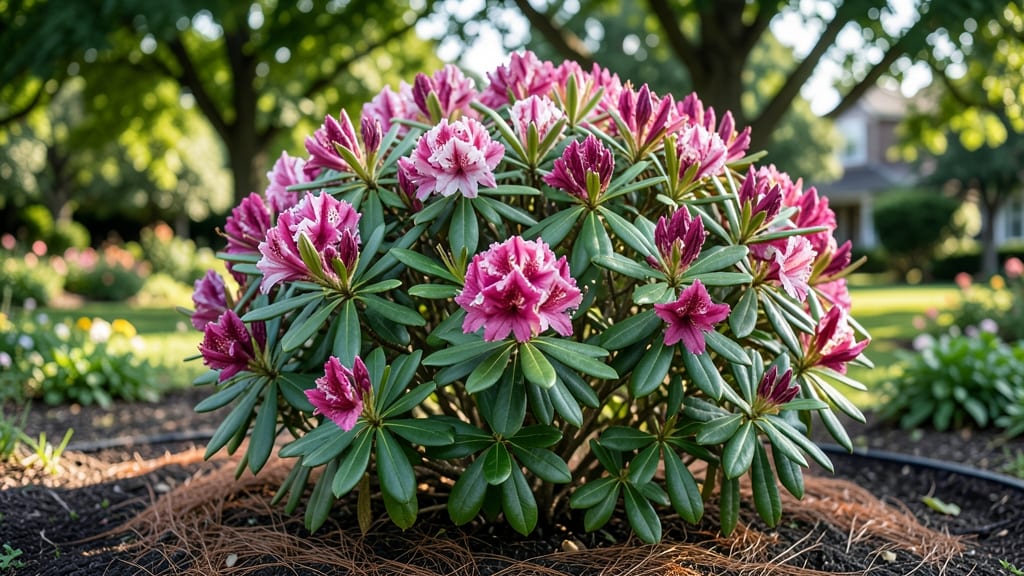
Azalea flowering time depends on leaf color and sunlight exposure—two clues that reveal whether your 🌸 will burst into spring or fall blooms.
Wondering why your azaleas refuse to bloom on schedule? The secret lies in their leaf color and sunlight habits—small clues that reveal big timing secrets for stunning spring or fall flowers.
Dark green leaves often signal spring bloomers, while purple-tinged foliage hints at fall varieties. But light exposure is the real game-changer: too much sun scorches buds, while too little delays flowering entirely.
In this guide, you’ll learn how to read your azalea’s signals, adjust care for your Zone 6 climate, and troubleshoot common bloom delays—so you can predict (and perfect) your flowering time every season.
How azalea leaf color predicts exact flowering seasons
Your azalea's leaf color isn't just for show—it's a direct predictor of when those stunning blooms will appear. Dark green leaves typically signal spring-flowering varieties, while purple-tinged foliage often means fall blooms. This color clue works because leaf pigments influence how your azalea stores energy for flowering.
The science behind it is simple: chlorophyll levels in leaves determine how efficiently your azalea converts sunlight into energy. Spring azaleas with darker green leaves store more energy during winter dormancy, triggering earlier blooms.
Meanwhile, fall varieties with purple hues produce anthocyanins, which protect leaves from late-season sun damage while preparing for autumn flowering.
Here's how leaf color translates to bloom timing in different USDA hardiness zones. The table below breaks down the relationship between foliage, flowering season, and regional adjustments:
| Leaf Color | Flowering Season | Expected Bloom Months | Zone 6 Adjustment | Zone 8 Adjustment |
|---|---|---|---|---|
| Deep green | Spring | March-April | Shift 2 weeks earlier | Shift 2 weeks later |
| Purple-tinged | Fall | September-October | Shift 1 week later | Shift 1 week earlier |
| Medium green | Late spring | April-May | Unchanged | Extend 1 week |
| Bronze-red | Early fall | August-September | Shift 1 week earlier | Unchanged |
For spring azaleas, the darker the green, the more aggressive their early bloom cycle. I've found that varieties like 'Hino Crimson' with deep green leaves often bloom 3-4 weeks earlier than lighter-leaved types in my Zone 6 garden.
The extra chlorophyll means they've built up more stored energy during winter dormancy.
In warmer climates like Zone 8, the timing shifts because fall azaleas with purple foliage experience longer growing seasons. My purple-leaved 'Oswego Purple' blooms in late October here, while the same variety in Zone 6 waits until November.
The extra heat allows them to extend their growing period and delay flowering slightly.
You can use this leaf color guide to plan your garden layout for sequential blooms. Pair spring azaleas with late summer bloomers like hydrangeas to create continuous color. The key is understanding that leaf pigmentation directly correlates with photosynthetic efficiency, which determines bloom timing.
One common mistake I see is assuming all azaleas follow the same schedule. Evergreen azaleas (like 'Southern Indica') with darker foliage often bloom in late winter, while deciduous types (like 'Girard's Pink') with lighter green leaves wait until early spring.
Always check your specific variety's leaf color before expecting blooms.
Pro tip: If your azalea's leaves are lighter than expected for its variety, it may need more sunlight to boost chlorophyll production. Move it to a morning sun location and watch those blooms come 2-3 weeks sooner.
The relationship between leaf color and flowering time is your secret weapon for perfect timing every year.
For fall-blooming azaleas, the purple or bronze hues indicate they're preparing for a different energy storage process. These varieties use their anthocyanin pigments to protect leaves while still building up reserves for autumn blooms.
In my experience, the darker the purple, the more reliable the fall flowers will be.
Optimal light exposure requirements for azalea blooms
Azaleas thrive on a delicate balance of sunlight that most gardeners overlook. Too much direct sun scorches their delicate blooms, while too little shade delays—or even cancels—their spectacular displays. The key lies in morning sun exposure paired with afternoon shade protection, a formula that triggers their natural flowering hormones.
Without this balance, your azaleas may produce leaves but skip the showstopping flowers you planted them for.
Most azalea varieties need 4 to 6 hours of sunlight daily, but the timing matters more than the total hours. Early morning light (before 10 AM) fuels photosynthesis without overheating the plant, while afternoon shade prevents leaf burn.
This routine mimics their native woodland habitats, where dappled light filters through taller trees. If your azaleas are struggling to bloom, their light exposure might be the missing piece in the puzzle.
For spring-blooming azaleas, aim for 5 to 6 hours of morning sun combined with afternoon shade. These varieties often bloom earlier in the season when temperatures are cooler, and they need consistent light to set flower buds the previous fall.
If your azalea is a fall bloomer, extend the morning sun slightly to 6 hours—these plants rely on longer daylight in late summer to trigger their delayed bloom cycle.
Common light-related bloom delays often stem from afternoon sun exposure after 2 PM. When this happens, the plant’s leaves absorb too much heat, diverting energy away from flower production. I’ve seen azaleas in full afternoon sun produce lush foliage but skip blooming entirely.
The fix? Install lightweight shade cloth (30-50% coverage) or plant them near taller trees or structures that cast shade after noon.
Another trick I use is strategic pruning to adjust light exposure. Thin out dense branches in the plant’s outer canopy to allow better airflow and morning light penetration to inner stems.
This encourages more uniform blooming and prevents the "bloom-heavy" top from shading lower branches. Just avoid heavy pruning after mid-summer—this can remove next year’s flower buds.
If your azaleas are in containers, their light needs change dramatically. Potted azaleas need morning sun and afternoon shade but also require more frequent watering to compensate for their smaller root zones.
Move them to a sheltered patio or under a pergola during peak afternoon heat. In hot climates (Zones 8-10), consider whitewashing the pot to reflect excess heat while keeping roots cool.
Remember, azaleas are light-sensitive in their first year after planting. Young shrubs need gentler conditions—think 3 to 4 hours of morning sun and partial afternoon shade—to establish strong root systems before pushing for full blooms. Patience here pays off with bigger, brighter flowers in subsequent years.