
Flowers
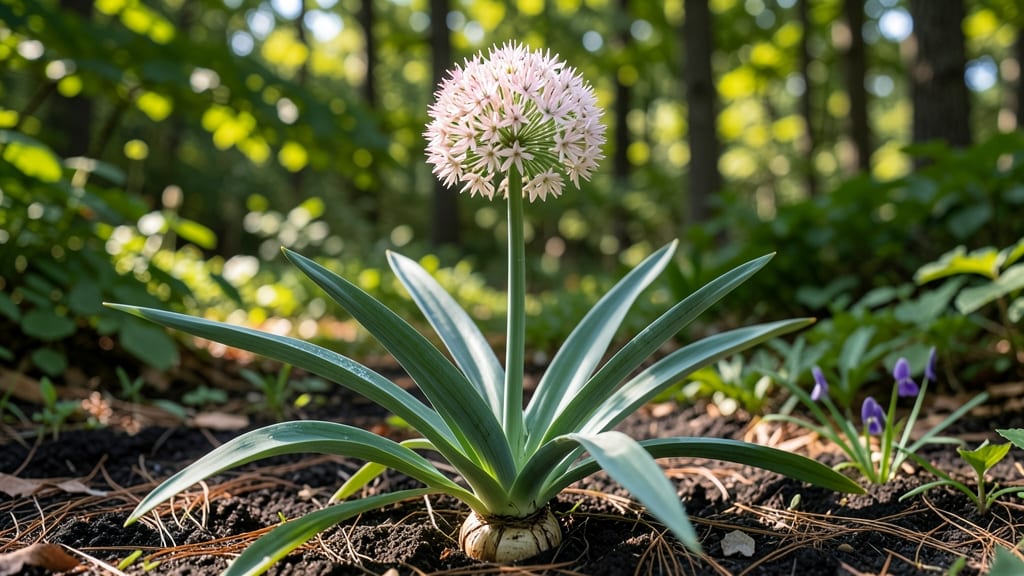
Wild leek flowers bring a unique, mild onion-garlic flavor to dishes and teas, but harvesting them at the right moment makes all the difference 🌱.
Picture this: you’ve spent months waiting for those delicate blooms to appear, only to realize you’ve missed the peak flavor window—or worse, damaged the plant by cutting too late.
The good news? With the right timing and technique, you can enjoy both the beauty and the taste without harming your wild leek patch.
Wild leeks thrive in USDA Zone 6 woodlands, where they grow best in partial shade and moist, well-drained soil.
The key to harvesting their flowers lies in understanding their seasonal cycle—from planting in fall to flowering in spring—and knowing exactly when to make your move for the best flavor and plant health.
In this guide, I’ll walk you through the ideal harvest window, step-by-step methods to avoid common mistakes, and tips to keep your wild leeks thriving for years. Ready to turn those blooms into a culinary gem?
Best time to harvest wild leek flowers for peak flavor
Wild leek flowers (Allium tricoccum) burst forth in late spring, offering a mild onion-garlic flavor that’s most intense when harvested at the right maturity stage. Unlike their leafy counterparts, these blooms require precise timing to ensure both flavor and plant vitality.
The ideal harvest window falls between pre-bloom buds and fully open flowers, but missing this window can mean sacrificing flavor or stressing the plant.
Timing your harvest correctly also depends on your USDA Zone 6 climate, where wild leeks typically bloom between late April and early June. In cooler regions, flowers may appear earlier, while warmer zones might see a delayed bloom.
Understanding these seasonal cues is key to unlocking the peak flavor potential of your harvest.
- 1 Pre-Bloom Stage (Best for maximum flavor): Harvest when buds are tight but not yet opened. This stage (late April-early May) delivers the most potent flavor and tender texture.
- 2 Early Bloom Stage (Good for balanced flavor): Harvest when 10-30% of flowers are open. Flavor is slightly milder but still high-quality (mid-May). Avoid harvesting more than 30% of blooms per plant.
- 3 Full Bloom Stage (Avoid for culinary use): Once 70%+ of flowers are open, flavor weakens and texture becomes tougher. This stage (late May-early June) is best for seed collection or decorative purposes only.
- 4 Post-Bloom Stage (Not edible): Flowers turn brown and papery as seeds form. This stage (June onward) should be left on the plant for seed production or removed to encourage future blooms.
To identify the perfect harvest-ready stage, focus on the flower buds rather than the leaves. Look for tight, closed buds that haven’t yet begun to split open—this is your pre-bloom window. At this stage, the flavor is most concentrated, and the texture remains tender and crisp.
If you miss this window, you can still harvest during the early bloom stage, but expect a slightly milder flavor profile.
One common mistake is waiting until flowers are fully open before harvesting. While the blooms may look stunning, their flavor intensity drops significantly as they mature. Fully open wild leek flowers still taste good but lack the bold onion-garlic punch of pre-bloom buds.
For the best results, prioritize harvesting in the morning after dew has dried—this ensures maximum freshness and flavor retention.
Wild leeks thrive in woodland understories, where they receive dappled sunlight and moist, well-drained soil. If you’re foraging, look for plants growing near deciduous trees or along forest edges.
The optimal harvest time aligns with the plant’s natural growth cycle, typically between 10 AM and 2 PM on clear days when the flowers are fully hydrated.
Preserving the plant’s health after harvest is just as important as timing. Never remove more than 30% of the blooms from a single plant in one season, as this can weaken the rhizome and reduce future flowering.
After harvesting, rinse gently with cool water and pat dry immediately to prevent mold. Store flowers in a paper towel-lined container in the fridge for up to 5 days or freeze for longer storage.
For gardeners cultivating wild leeks, consider selective harvesting to encourage repeated blooming. If you leave a few flowers on the plant to go to seed, you’ll ensure next year’s crop. However, if your goal is maximizing edible blooms, remove all flowers before they fully open.
This technique can boost flower production by redirecting the plant’s energy toward future blooms rather than seed development.
Wild leek flowers are also a beautiful addition to pollinator gardens. Their purple-pink blooms attract bees and butterflies, making them a dual-purpose plant for both culinary and ecological benefits. When used in dishes, these flowers add a subtle, sweet-onion note that pairs well with salads, teas,
Step-by-step guide to harvesting wild leek flowers without damaging plants
Harvesting wild leek flowers at the right stage ensures you capture their peak flavor while keeping your plants healthy for future blooms. The key is timing—cutting too early means underdeveloped flavor, while waiting too long risks tougher stems and wasted blooms.
I’ve perfected this process over years of foraging and cultivating wild leeks in my USDA Zone 6 woodland garden, and here’s exactly how I do it.
Wild leek flowers thrive in partial shade and moist soil, much like their woodland habitat. The best time to harvest is when the blooms are fully open but still firm to the touch, typically between late April and early June.
This window ensures maximum flavor intensity while allowing the plant to recover for next year’s growth. Let’s break it down step by step to avoid common pitfalls.
How to Harvest Wild Leek Flowers
- 1 Choose the right tools: Use clean, sharp pruning shears or a small knife to make precise cuts. Avoid dull tools, which can crush stems and damage the plant.
- 2 Identify mature blooms: Look for flowers that are fully open but still tight and firm. Overly droopy or wilted blooms indicate they’ve passed their prime flavor window.
- 3 Cut stems at the base: Hold the stem firmly and cut just above the soil line or where the stem meets the leaf. This prevents damage to the rhizome and encourages new growth.
- 4 Preserve flavor immediately: Place harvested flowers in a paper bag or mesh produce bag to retain moisture. Avoid plastic, which can cause condensation and spoilage.
- 5 Store properly: Refrigerate in a sealed container for up to 5 days. For longer storage, dry the flowers by hanging them in small bundles in a well-ventilated area for 1-2 weeks.
- 6 Post-harvest care: After harvesting, water the base of the plant with 1 inch of water to help it recover. Avoid fertilizing immediately, as the plant needs time to regenerate.
One of the biggest mistakes I see is harvesting too many flowers at once. Wild leeks are perennials, and over-harvesting can weaken the plant or even prevent next year’s blooms. Limit yourself to 20-30% of the flowers in a single harvest to maintain plant vitality.
If you’re growing wild leeks in containers, be extra cautious—root space is limited, and over-harvesting can stunt growth.
For the best results, harvest on a cool morning after the dew has dried but before the sun intensifies. This timing reduces stress on the plant and ensures the flowers retain their delicate flavor.
Once you’ve mastered the technique, you’ll enjoy a steady supply of these culinary gems year after year without compromising your garden’s health.
Pro tip: If you’re foraging wild leeks from the wild, always leave at least 50% of the flowers unharvested to ensure the plant’s survival and future blooms. Ethical foraging is just as important as timing when it comes to preserving these woodland treasures.